
Key Highlights
- France and Japan are enhancing aviation connectivity to boost economic growth.
- The Asia-Pacific region is experiencing rapid growth in air travel demand.
- Improved flight options are expected to increase tourism and business opportunities.
France and Japan are taking significant steps to enhance aviation connectivity, reflecting a commitment to strengthening ties within the Asia-Pacific region and beyond. As the world becomes increasingly interconnected, the importance of reliable air routes cannot be overstated. These routes not only facilitate travel but also support international commerce and cultural exchange, making them vital for economic development.
The aviation sector has long been a cornerstone of global trade and tourism. With rising demand for air travel, both governments and industry leaders are recognizing the need for efficient transportation links. Enhanced connectivity can stimulate economic growth by improving access to global markets, thereby benefiting both countries involved.
Historically, France and Japan have collaborated in various sectors, including technology and manufacturing. Aviation is emerging as another area of mutual interest, as both nations boast advanced aerospace capabilities. Their shared understanding of the strategic importance of robust international transportation networks positions them well to capitalize on the growing demand for air travel.
The Asia-Pacific region is currently one of the fastest-growing markets for air travel. Factors such as rising incomes, an expanding middle class, and increased business activities are driving demand for both international and regional flights. Airlines are actively seeking opportunities to expand their capacity and improve connectivity to key destinations, which is crucial for meeting the evolving needs of travelers.
Tourism is one of the primary beneficiaries of enhanced aviation connectivity. Improved flight options can lead to increased travel flows, making destinations more accessible to international visitors. This surge in tourism can significantly support local economies through spending on accommodation, dining, transportation, and cultural experiences.
Moreover, stronger aviation links benefit the business community. In today's globalized economy, mobility is essential for executives and professionals who need to meet partners, explore new markets, and manage international operations. Efficient air transportation reduces barriers that might otherwise hinder economic engagement, fostering a more dynamic business environment.
The aviation industry is also adapting to changing expectations, focusing on efficiency, sustainability, and passenger experience. Airlines are investing in modern fleets and digital technologies to enhance their services, contributing to a more connected and competitive global transportation system.
However, challenges persist, including environmental concerns, operational costs, and evolving regulatory requirements. Industry stakeholders are actively working towards solutions that balance growth with sustainability while ensuring the reliability that travelers expect.
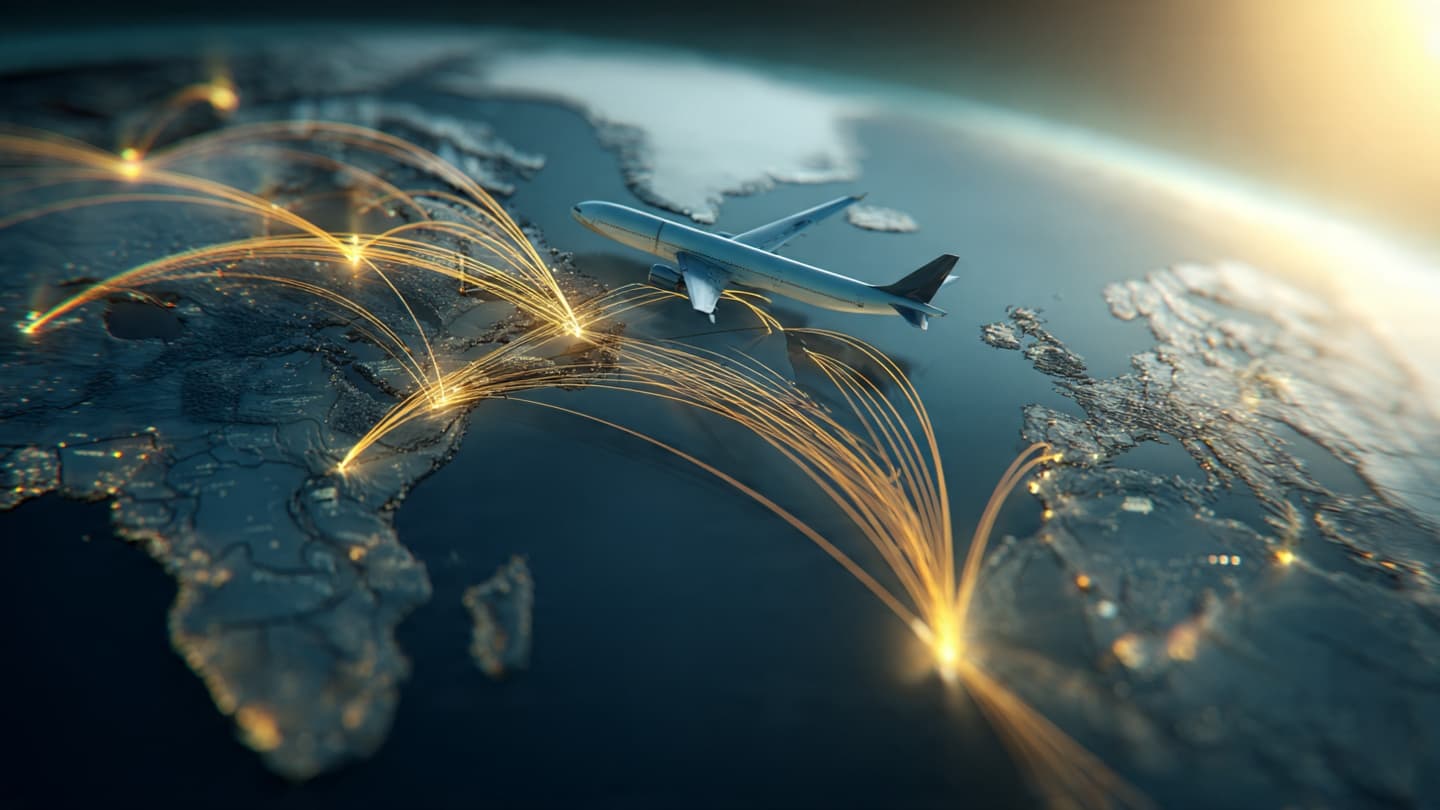
As France and Japan pursue initiatives to strengthen their aviation connectivity, they are contributing to a broader vision of a more interconnected world. Each new route represents more than just a line on a map; it symbolizes a pathway for ideas, opportunities, and relationships to traverse borders, shaping the future of global engagement.
Published by Banx Network. This article is part of the Banx decentralized media programme, powered by the BXE token on the XRP Ledger.



