
Key Highlights
- Mudik is Indonesia's annual pilgrimage for family reunions during Lebaran.
- The Karawang toll road is notorious for severe traffic congestion each year.
- Infrastructure improvements are ongoing but have not fully alleviated the issues.
The annual mudik, a cherished tradition in Indonesia, sees millions of people traveling to reunite with family during the Lebaran holiday. This pilgrimage, while steeped in cultural significance, brings with it the perennial challenge of traffic congestion, particularly on the Karawang toll road. This stretch of highway has become emblematic of the struggles faced by travelers, as it transforms into a bottleneck where the joy of reunion often clashes with the frustration of gridlock.
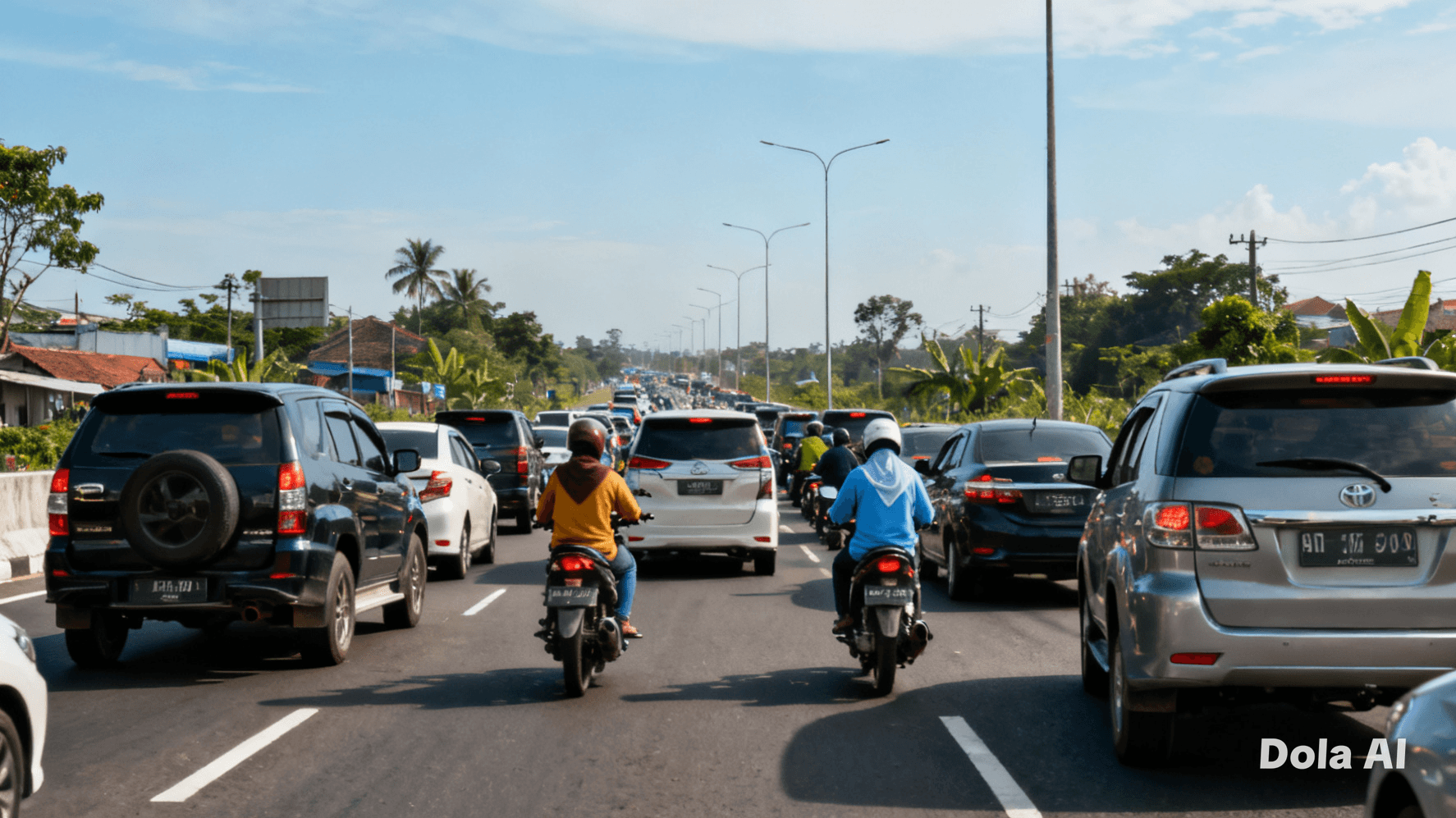
The Karawang toll road, a critical artery connecting Jakarta to various regions of Java, experiences an overwhelming influx of vehicles during the mudik season. This year, as in years past, travelers faced long delays, with traffic jams stretching for miles. The sheer volume of cars, motorcycles, buses, and trucks converging on this route creates a chaotic scene, leading many to question the underlying causes of such persistent congestion.
One significant factor contributing to the traffic woes is the scale of the Lebaran exodus. It is one of the largest annual migrations globally, with millions of Indonesians making their way home to celebrate with loved ones. The Karawang toll road, positioned at a crucial junction, becomes a choke point where the influx of vehicles overwhelms the existing infrastructure. While rest areas and toll booths are essential for traveler comfort, they inadvertently contribute to the slow pace of travel, turning the road into a patchwork of solutions rather than a seamless journey.
Despite ongoing infrastructure development efforts, the Karawang toll road continues to struggle under the weight of this mass migration. Expansion projects and improvements to surrounding areas have not fully addressed the challenges posed by peak travel times. Additionally, the human element plays a critical role; drivers, often fatigued from long hours on the road, can become impatient, further exacerbating the congestion.
The complexities of the situation extend beyond the physical road itself. Changing travel habits, an increasing number of vehicles, and the evolving dynamics between urban and rural areas all contribute to the congestion experienced on the Karawang toll road. While discussions around potential solutions, such as staggered travel times and enhanced public transportation options, are ongoing, these remain works in progress. Until broader changes are implemented, the toll road will continue to bear the burden of holiday travel, reflecting both the enduring spirit of mudik and the challenges of modern transportation.
The traffic jams at Karawang during the mudik season serve as a microcosm of the pressures faced by a society in transition. While efforts to alleviate congestion are underway, it is evident that a multifaceted approach is necessary to tackle the root causes of these bottlenecks. The solution may not solely lie in expanding roadways but also in better managing this annual migration, balancing tradition with modern needs. For now, those who navigate the Karawang toll road will continue to experience a journey defined by patience, resilience, and the shared hope of reaching home in time for Lebaran.
Published by Banx Network. This article is part of the Banx decentralized media programme, powered by the BXE token on the XRP Ledger.



