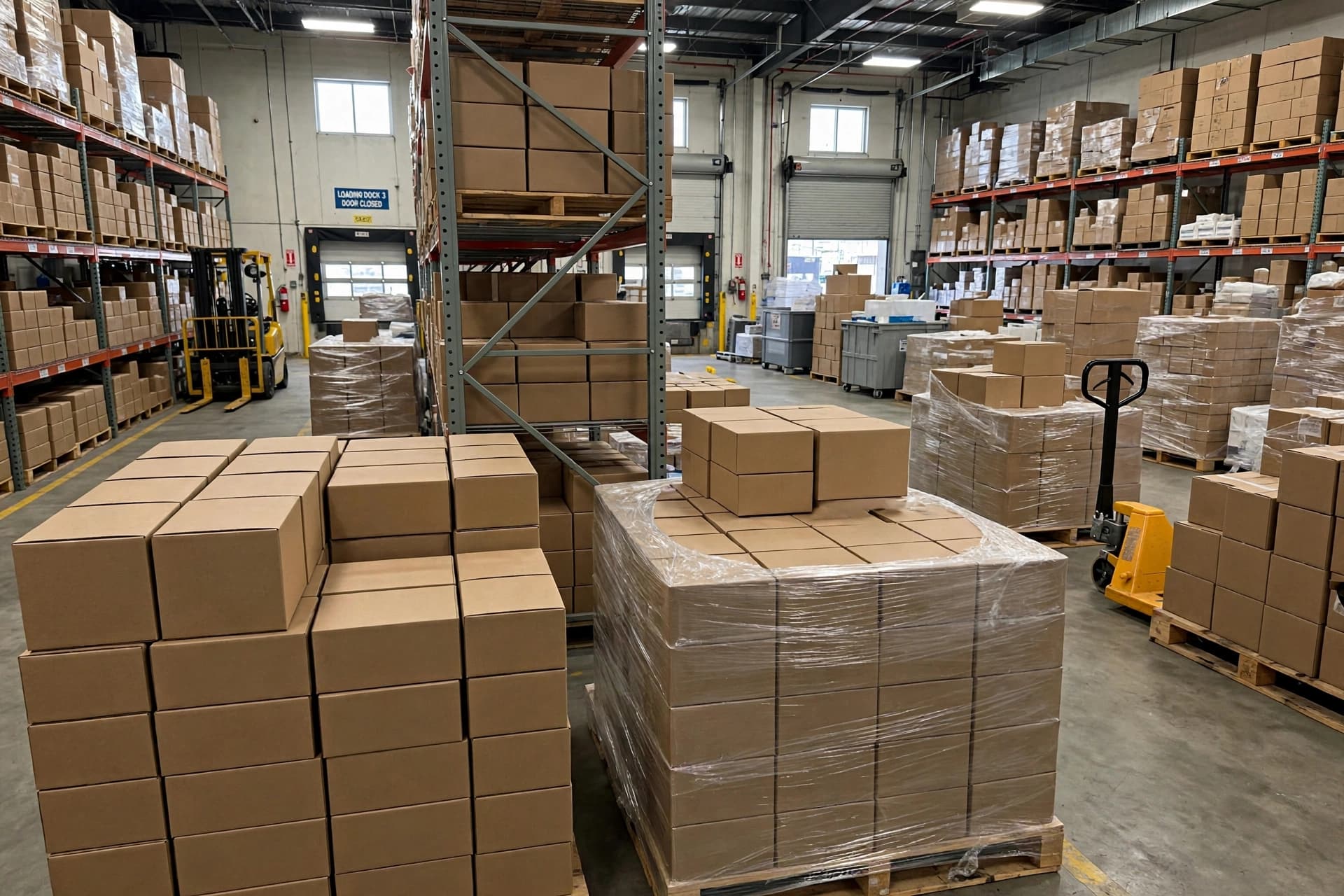
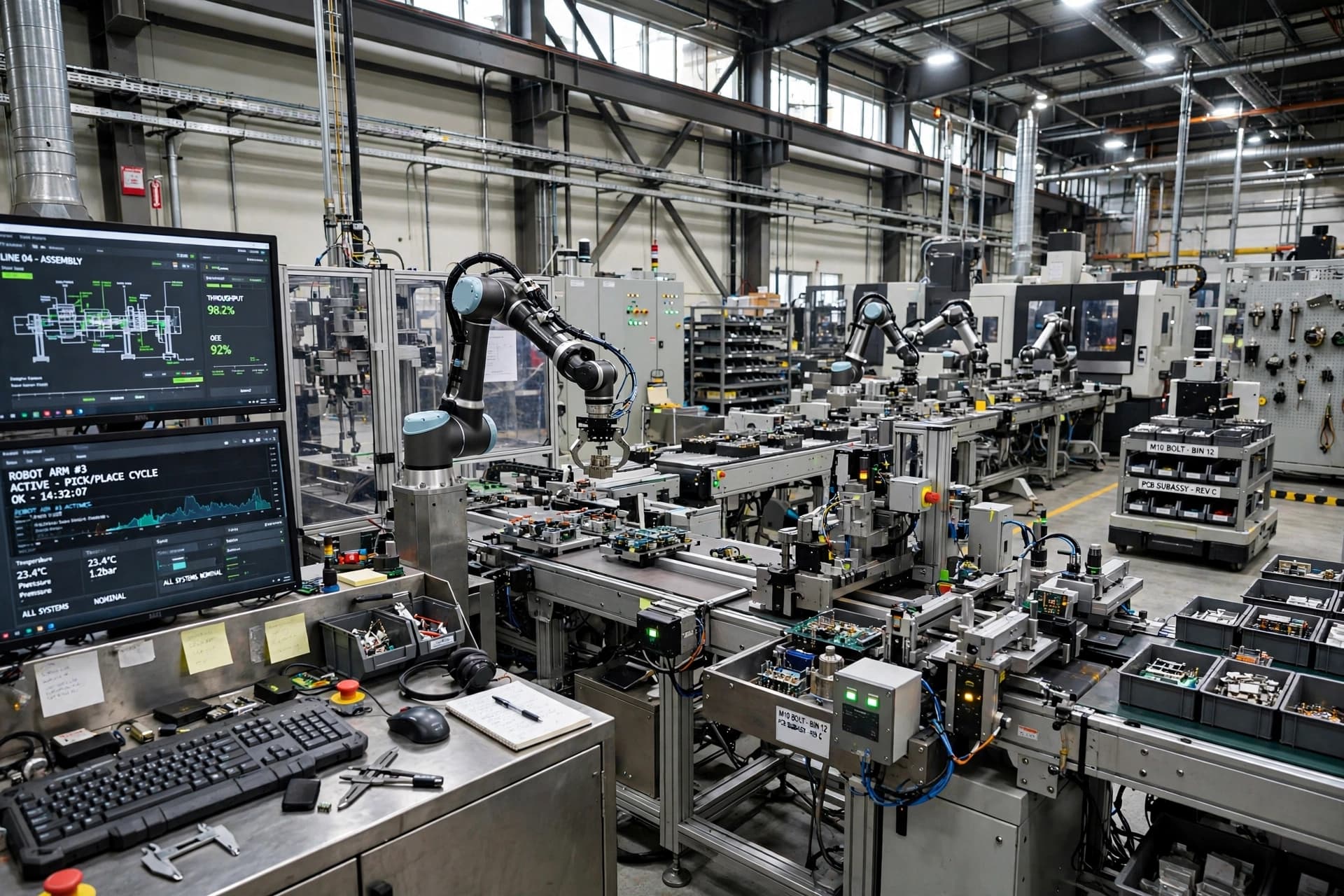
There’s a certain quiet poetry to the moment before a journey begins — the light that seems to linger a little longer on a parked car’s roof, the unhurried footsteps of travelers at a station platform, the breath held by drivers imagining the road ahead. For many automotive executives, early 2026 feels like that pause, a reflective space between what was endured and what is yet to come. The past few years have etched lessons into boardrooms and factory floors alike, prompting leaders to hope for smooth roads while quietly planning for bumps that may appear just over the horizon.
At the heart of this contemplative outlook is a blend of optimism and caution. Industry forecasts suggest there are reasons to believe in modest improvements — including signs of a sector that may, at long last, show resilience after years of structural strain. Analysts have recently noted that the underperforming European auto market might surprise investors with a modest rebound this year after two challenging seasons of earnings retreats. This nuance doesn’t erase the industry’s struggles, but it underscores a belief that leaner operations and sharper strategies could bear fruit.
Even so, executives are mindful that 2026 will not be defined by unbridled growth. German automotive supplier ZF Friedrichshafen, for example, reported results that exceeded profit expectations but also issued a significant charge linked to restructuring of electric mobility projects — a reminder of the balancing act between progress and prudence.
This duality of sentiment is mirrored in broader strategic maneuvers. Leaders across the automotive sector are forging alliances and seeking ways to strengthen supply chains against geopolitical and economic headwinds. In Europe, Germany and Italy — two industrial powerhouses — recently unveiled an alliance aimed at loosening regulatory burdens and bolstering industrial competitiveness, underscoring how policy and industry now weave together in shaping automotive futures.
At the same time, some of the era’s most established companies are bracing for ongoing pressures. A prominent supplier’s chief executive has publicly forecast that 2026 will remain fiercely competitive, urging a measured approach to investment and innovation. And another leading supplier signaled that earnings will likely fall short of targets amid continued market softness, prompting operational adjustments and workforce shifts.
Amid these currents, executives speak of 2026 less as a clear vista and more as an open road with shifting light and weather. Customers’ preferences continue to evolve, regulatory climates fluctuate, and global competition — particularly from rapidly expanding manufacturers in Asia — grows ever sharper. Even as some markets show tentative signs of life, the broader rhythm of demand and supply remains uneven.
In this reflective season, automotive leaders are not merely chasing profits or signing production schedules; they are cultivating resilience. Plants are being optimized, technologies refined, and strategic pivots planned with an eye toward both agility and durability. Whether future profitability is borne of electrification, hybrid strategies, or entirely new mobility concepts, the guiding sentiment is one of hope — checked with realism, seasoned with strategic foresight.
This year’s narrative, then, may be less about headline-grabbing breakthroughs and more about the quiet work of preparation — calibrating expectations, strengthening foundations, and learning from shifts that have already reshaped the automotive landscape. Like journeys begun at dawn, the year ahead holds both promise and uncertainty, and for those at the wheel, careful anticipation remains the steady compass.
AI Image Disclaimer (rotated wording) “Images in this article are AI-generated illustrations, meant for concept only.”
Sources Reuters Financial Times The Guardian S&P Global / Automotive Insights Cox Automotive (industry forecast)
Published by Banx Network. This article is part of the Banx decentralized media programme, powered by the BXE token on the XRP Ledger.