There are moments in history when human efforts to contain storms are measured not only by the strength of dykes but by the subtle flow of water through unseen cracks. In the tense tapestry of global sanctions aimed at Russia, that same metaphor applies — the intention to restrain collided with the ingenuity of markets and the complexity of international ties.
At a quiet press moment in Riga, Latvia’s ambassador to Ukraine offered a striking observation: that Russia and its allies are currently very adept at exploiting the gaps between different sanctions regimes. This was not an accusation shouted from the rooftops, but a sober reflection from a diplomat aware that the strands of global policy often lack unison. Sanctions emerging from the United States, Europe, Great Britain, Canada, Japan, and Switzerland are a mosaic — and in that mosaic, gaps sometimes appear as unintended doorways.
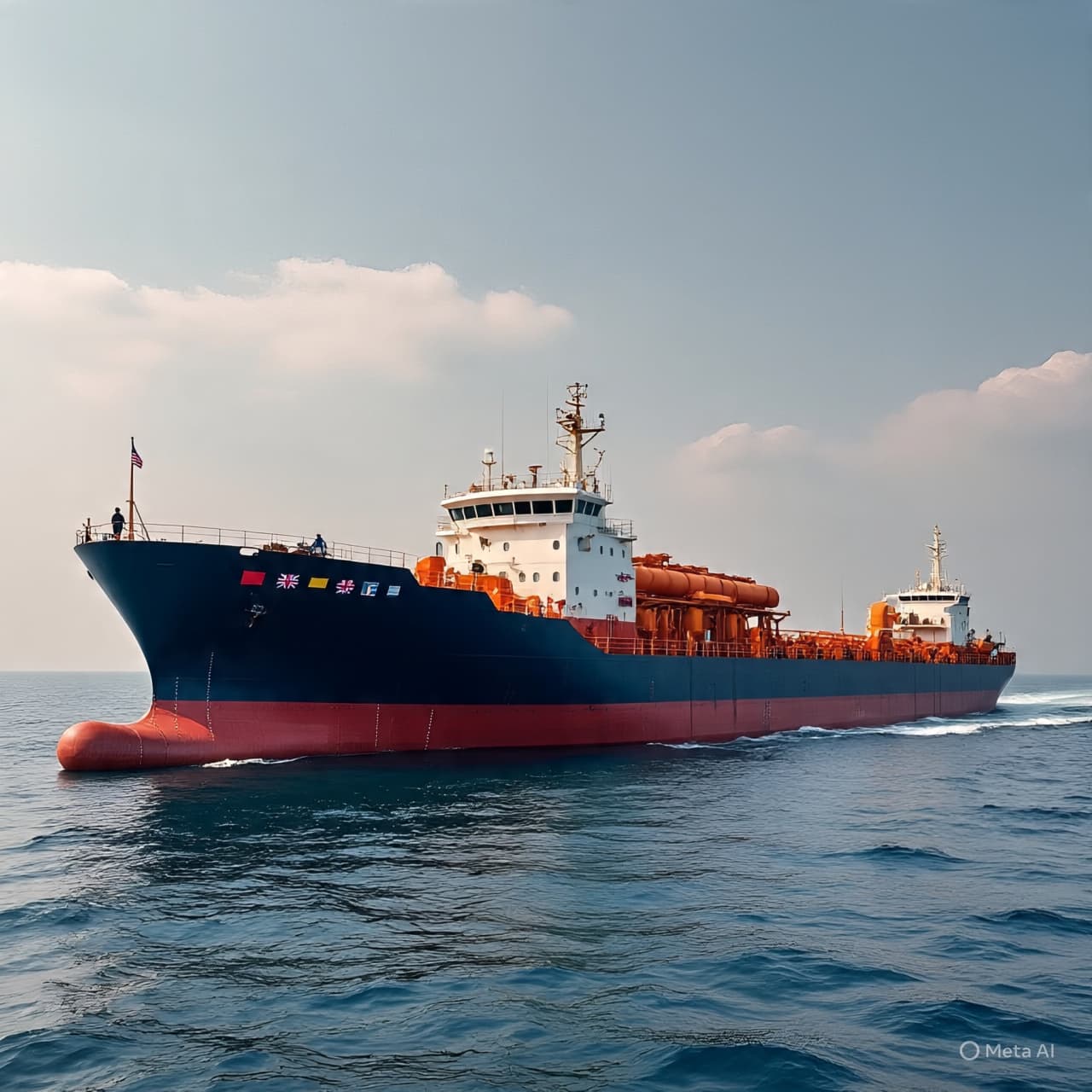
Just as water seeks the lowest route, economic forces have found pathways too. Across the Mediterranean, neighbor nations have recently intercepted what authorities described as a “shadow fleet” — tankers moving under concealed identities to ferry Russian oil despite sanctions. Such maritime manoeuvres underline how old vessels and alternate registrations are turned into tools for circumvention even as enforcement tightens.
Far beyond the open sea, on land and in banks and trading houses, other forms of complexity persist. In some regions, goods move through intermediary firms in third countries, or payment chains that obscure original origins. Even well-meaning policies can create situations where a sanctioned item moves through financial systems that were never designed to be airtight.
For years, law-makers in the EU have recognised this challenge and taken steps to close loopholes — for example, urging member states to criminalise the circumvention of sanctions and standardise enforcement. Yet, in a world of competing interests and varied legal frameworks, harmonising every detail remains an ongoing effort.
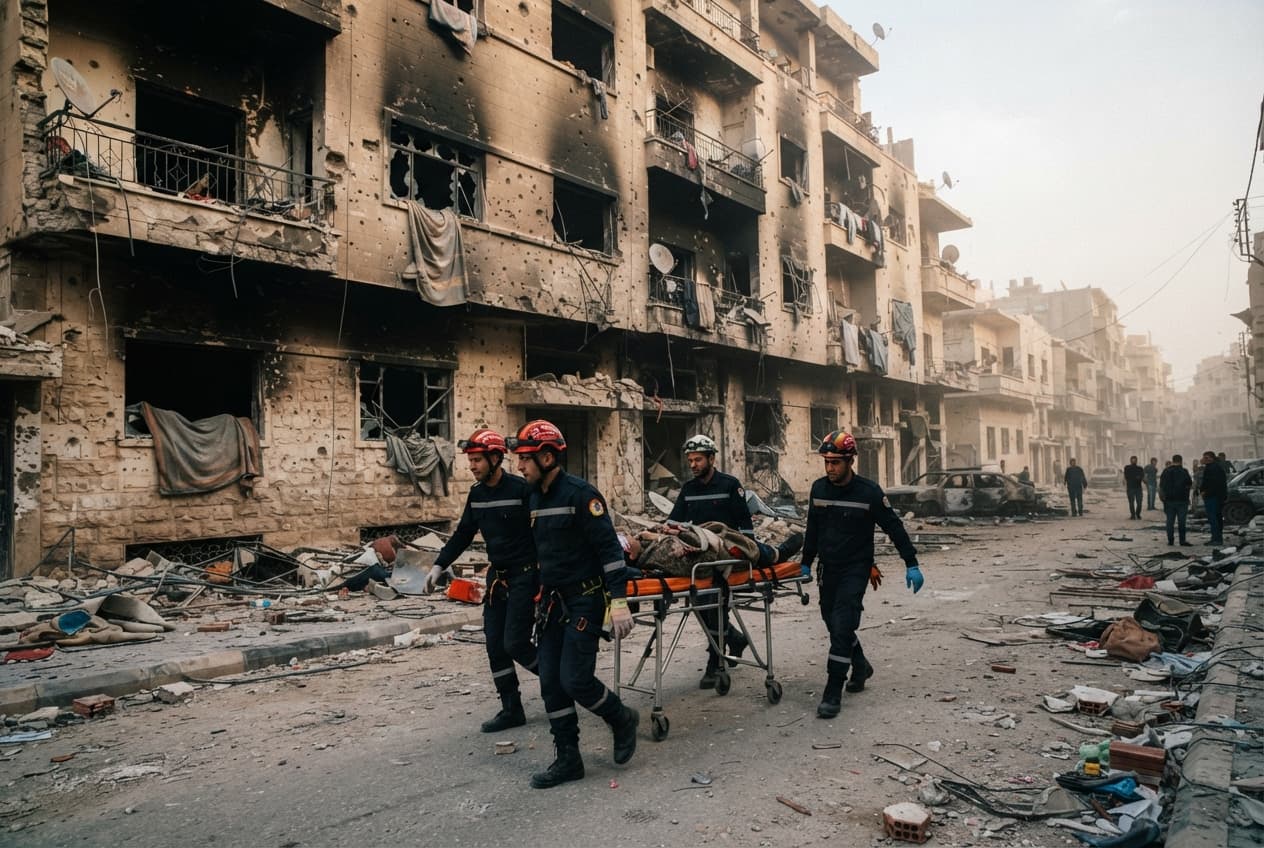
In this landscape, sanctions are both map and mirror: they chart a course toward political pressure, and they reflect the limits of global cooperation. The maze of trade routes, banking networks, and multinational legal systems ensures that no sanction regime exists in total isolation — and that the ingenuity of those who wish to evade them continues to test the resolve of those who crafted them.
AI Image Disclaimer (rotated wording)
Visuals are created with AI tools and are not real photographs Credible Sources Identified
1. The Baltic Times (Latvian Ambassador on sanctions loopholes) — recent interview source. 2. Reuters reporting on enforcement actions against Russia’s shadow fleet — mainstream, up-to-date. 3. The Guardian on sanctions circumvention via “shadow fleet” and maritime loopholes. 4. JAMnews coverage of how Russia sidesteps sanctions through third-party channels. 5. EU sanctions tightening efforts documented in EU Parliament actions.
Published by Banx Network. This article is part of the Banx decentralized media programme, powered by the BXE token on the XRP Ledger.