

Key Highlights
- Russia is exploiting gaps in global sanctions, according to diplomats.
- A shadow fleet of tankers is circumventing oil sanctions.
- EU lawmakers are working to close loopholes in sanctions enforcement.
In the intricate landscape of international relations, the effectiveness of sanctions against Russia is increasingly being challenged by the country's ability to exploit loopholes. As various nations impose sanctions in response to geopolitical tensions, the complexity of these measures often leads to unintended consequences, allowing Russia to navigate around restrictions with surprising agility.
A recent statement from Latvia's ambassador to Ukraine highlighted the adeptness of Russia and its allies in finding and exploiting the gaps between different sanctions regimes. This observation underscores a critical issue: while sanctions are intended to apply pressure, the lack of uniformity in their implementation can create opportunities for evasion. The sanctions imposed by the United States, European Union, Canada, and other nations form a patchwork that, while comprehensive, is not impermeable.
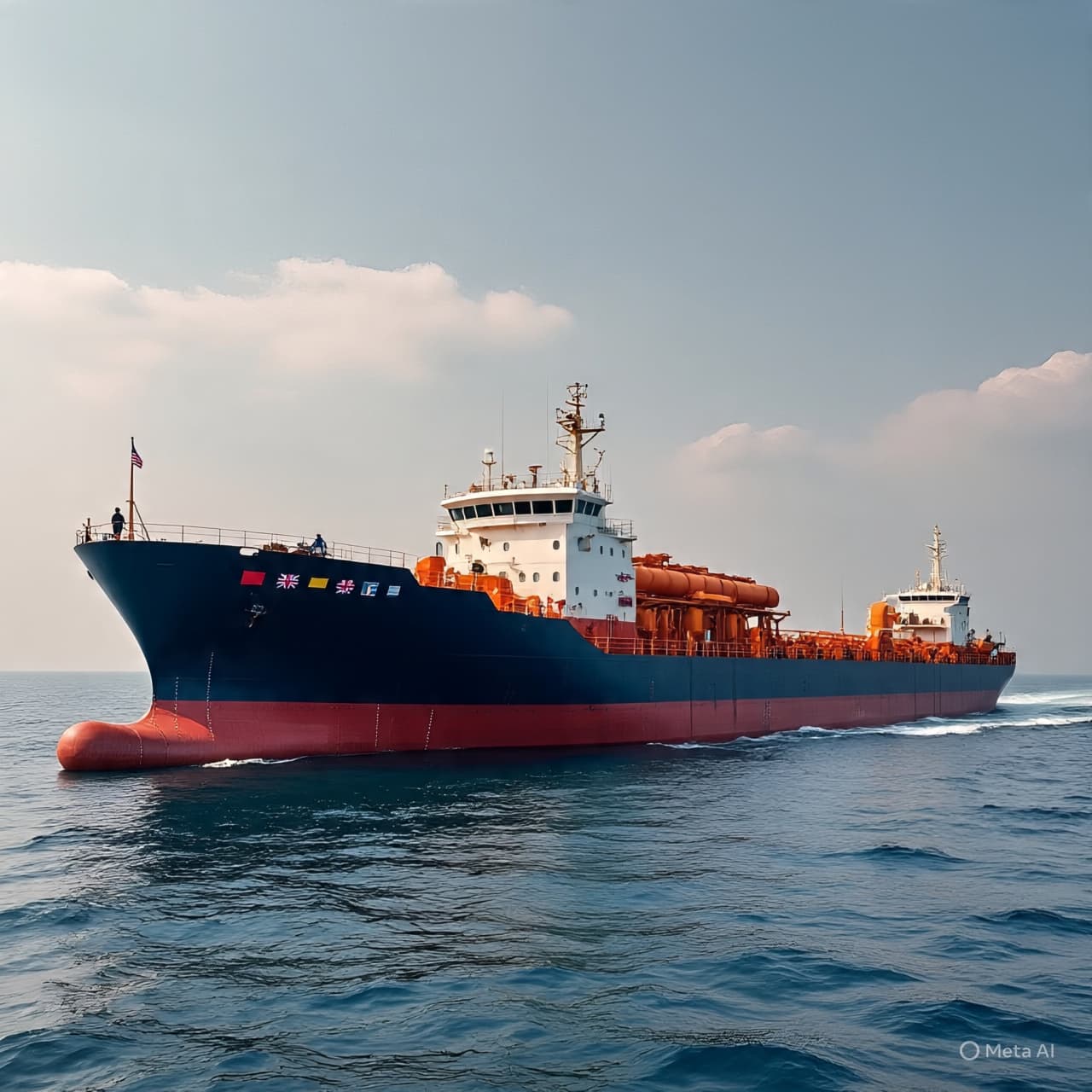
One of the most notable examples of this circumvention is the emergence of a so-called "shadow fleet" of tankers. These vessels, often operating under false identities, have been reported transporting Russian oil despite the sanctions. Recent interceptions by Mediterranean nations have revealed the extent to which these maritime maneuvers are being employed to bypass restrictions. The use of older ships and alternative registrations illustrates how economic forces adapt to regulatory environments, seeking the path of least resistance.
Beyond maritime activities, the circumvention of sanctions extends to land-based transactions and financial systems. Goods are frequently routed through intermediary firms in third countries, complicating the traceability of their origins. This situation is exacerbated by payment systems that were not designed to be foolproof, allowing sanctioned items to slip through the cracks of enforcement. The intricate web of global trade and finance means that even well-intentioned sanctions can be undermined by the very systems they aim to regulate.
In response to these challenges, European lawmakers have recognized the need for a more cohesive approach to sanctions enforcement. Efforts are underway to standardize regulations across member states, including proposals to criminalize the circumvention of sanctions. However, achieving consensus in a landscape marked by competing national interests and varying legal frameworks remains a formidable task. The ongoing dialogue within the EU reflects a commitment to strengthening the integrity of sanctions, yet the complexity of international trade continues to pose significant hurdles.
Ultimately, sanctions serve as both a map and a mirror: they delineate the desired political outcomes while reflecting the limitations of global cooperation. The interconnected nature of trade routes, banking networks, and legal systems ensures that no sanctions regime operates in isolation. As long as there are those willing to exploit these systems, the challenge of enforcing sanctions will persist, testing the resolve of nations committed to holding Russia accountable for its actions.
Published by Banx Network. This article is part of the Banx decentralized media programme, powered by the BXE token on the XRP Ledger.




