

Key Highlights
- Location:Pig’s Eye Park in St. Paul, Minnesota, known for its encampment.
- Initiative:City workers have started clearing the homeless encampment.
- Community Impact:Mixed reactions from residents regarding the cleanup and its implications.
The clearing of the Pig’s Eye Park encampment marks a pivotal moment for St. Paul, Minnesota, as city officials initiate efforts to reclaim the area for public use. This rugged stretch of land along the Mississippi River has served as a refuge for many individuals experiencing homelessness, providing a semblance of community and privacy amid the urban landscape. However, the recent decision to clear the encampment has ignited a complex debate about urban development, public safety, and the humanitarian needs of the unhoused population.
The city’s initiative aims to restore Pig’s Eye Park for recreational purposes, a move that has been met with both support and criticism. For years, the park had become synonymous with informal housing, where tents and makeshift structures created a unique, albeit precarious, living environment. Proponents of the cleanup argue that restoring the park will enhance community access to green spaces and the river, while detractors raise concerns about the impact on those displaced and the underlying issues of homelessness that remain unaddressed.
For many residents of the encampment, the clearance represents a sudden and distressing upheaval. Individuals who have called this place home for months or years face the loss of not just their physical shelters but also the social networks they have built. The city has engaged social service agencies to assist those affected, but the transition to stable housing is fraught with challenges, particularly given the scarcity of affordable options in the area. Many individuals are left grappling with uncertainty as they navigate the complexities of finding new accommodations.
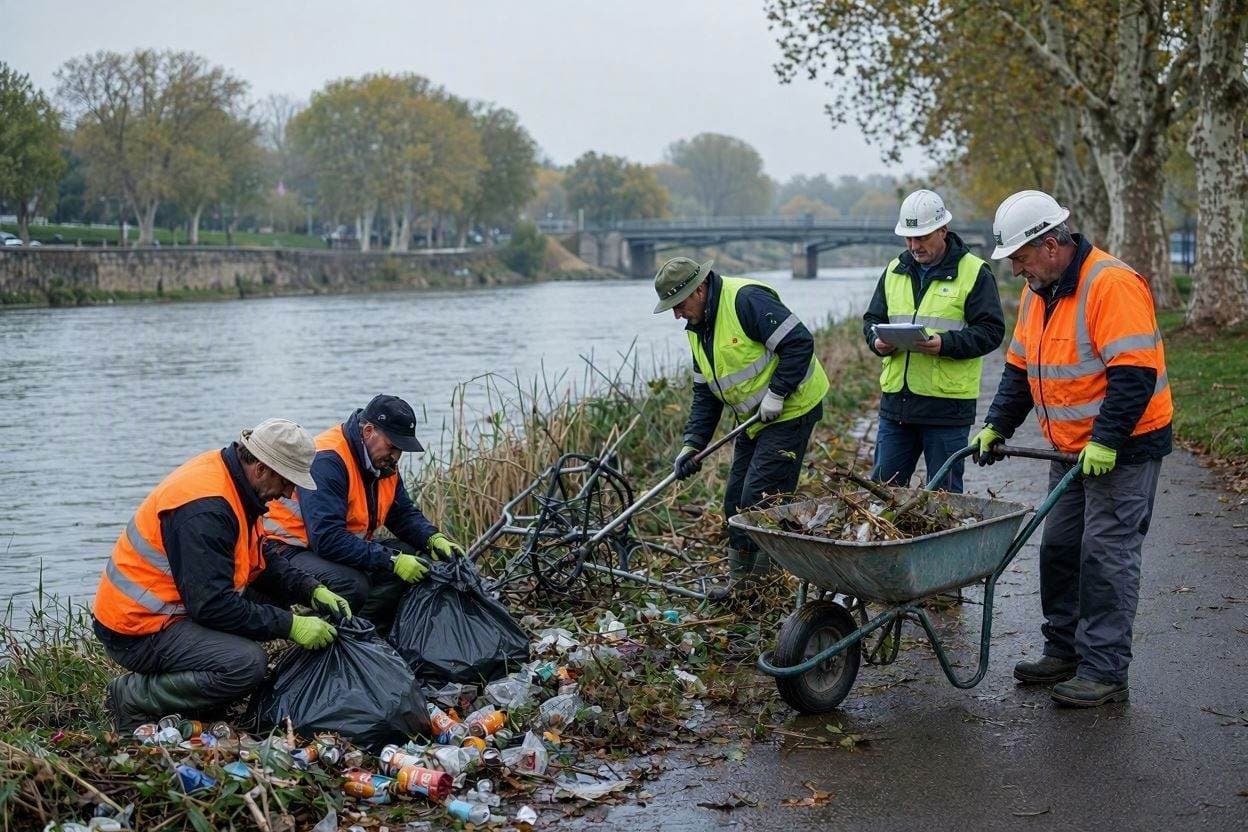
Environmental restoration is a significant aspect of the city’s plan. Years of habitation have left the park in need of cleanup and remediation. City workers are tasked with removing debris, stabilizing the riverbank, and reintroducing native plant species to restore the area’s natural beauty. This effort aims to create a space where wildlife can thrive and visitors can enjoy the park without the presence of encampments. While the environmental goals are commendable, they come at a cost to those who relied on the park as a home.
Community reactions to the clearing are varied. Some residents express relief at the prospect of a cleaner, safer park, while others voice concern for the displaced individuals and question whether the city is adequately addressing the root causes of homelessness. This ongoing debate reflects a broader societal challenge: how to balance the rights of individuals with the needs of the community as a whole. The conversation surrounding Pig’s Eye Park resonates beyond St. Paul, echoing in cities nationwide that are grappling with similar issues.
As the clearing process unfolds, the city emphasizes the importance of handling the displacement with dignity and care. Outreach teams are actively engaging with those affected, providing resources and support to ensure that no one is left behind in the rush to restore the park. The success of this initiative will ultimately be measured not only by the cleanliness of the grounds but also by the outcomes for the individuals who once called Pig’s Eye Park home.
The transformation of Pig’s Eye Park signifies a shift in St. Paul’s approach to urban planning and public space utilization. As the community watches closely, there is hope for a resolution that respects both the environment and the humanity of its most vulnerable residents.
Published by Banx Network. This article is part of the Banx decentralized media programme, powered by the BXE token on the XRP Ledger.




