For consumers accustomed to the rhythm of annual phone upgrades and holiday laptop purchases, 2026 may feel like a year when familiar tech comes at an unfamiliar cost. Analysts and industry insiders are warning that everything from smartphones to personal computers could see notable price increases, a shift shaped by a convergence of supply, labor, and global economic pressures.
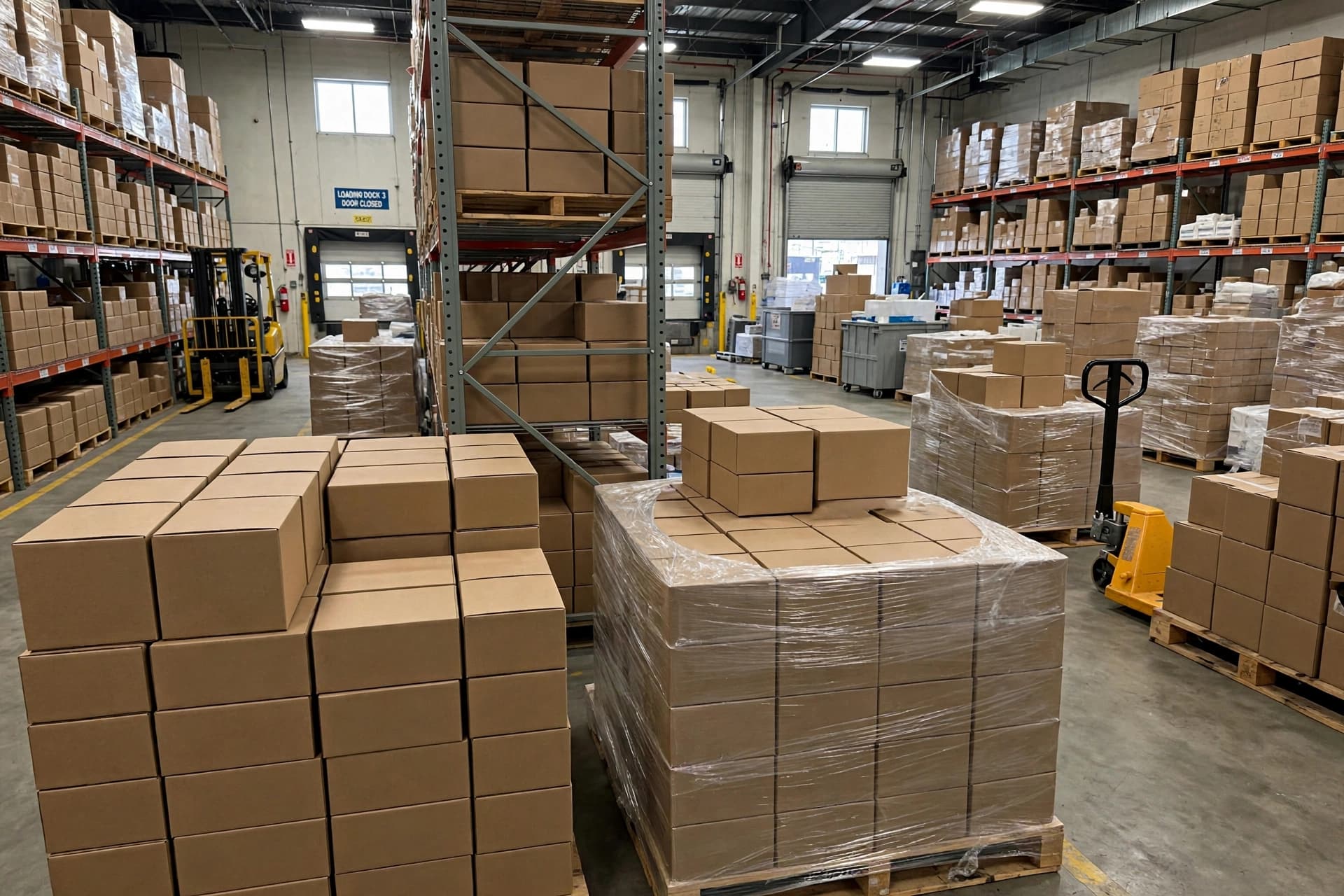
At the heart of the trend is the complex interplay of supply chain challenges and rising production costs. Semiconductor shortages, though easing compared with the peak disruptions of recent years, continue to ripple across the industry. Factories face higher prices for raw materials like silicon, lithium, and rare earth elements — components essential for everything from processors to batteries. These material costs are increasingly reflected on the consumer side.
Labor and logistical factors add to the strain. Skilled workers in electronics manufacturing remain in high demand, while energy costs and transportation expenses have seen persistent inflation in many regions. Shipping bottlenecks, port congestion, and freight rate fluctuations, while improved from their pandemic-era extremes, still contribute to the overall cost of delivering products from factory to market.
Currency fluctuations and trade dynamics further complicate matters. Manufacturers and importers navigating between regions face shifting exchange rates, tariffs, and regulatory hurdles. A smartphone assembled in East Asia, for instance, may carry additional costs when sold in North America or Europe, reflecting not only production but also cross-border trade pressures.
Consumer expectations are another factor shaping pricing decisions. As devices become more advanced, incorporating AI features, higher-resolution displays, and longer-lasting batteries, manufacturers justify higher price points. While innovation drives value, it also raises the baseline cost of ownership, creating a subtle but pervasive inflation across tech categories.
The combined effect is likely to be felt unevenly. High-end devices, particularly flagship smartphones and premium laptops, may see the steepest increases, while mid-range and entry-level products experience smaller adjustments. Even so, the trend underscores a broader lesson: the cost of technology is increasingly linked to global supply chains, energy markets, and economic conditions far beyond a single store or country.
For consumers, the challenge will be to navigate this evolving landscape without losing access to essential digital tools. Timing purchases, evaluating feature needs, and considering long-term durability may become as important as price comparisons. For manufacturers, the task is balancing profitability with accessibility in a market that is highly sensitive to cost yet driven by innovation.
In a world where connectivity is nearly synonymous with daily life, these price shifts carry both practical and symbolic weight. They remind us that the devices we rely on are embedded in a complex network of materials, labor, and logistics — and that even small changes in that network can ripple through the economy, ultimately reaching the hands of consumers.
Published by Banx Network. This article is part of the Banx decentralized media programme, powered by the BXE token on the XRP Ledger.