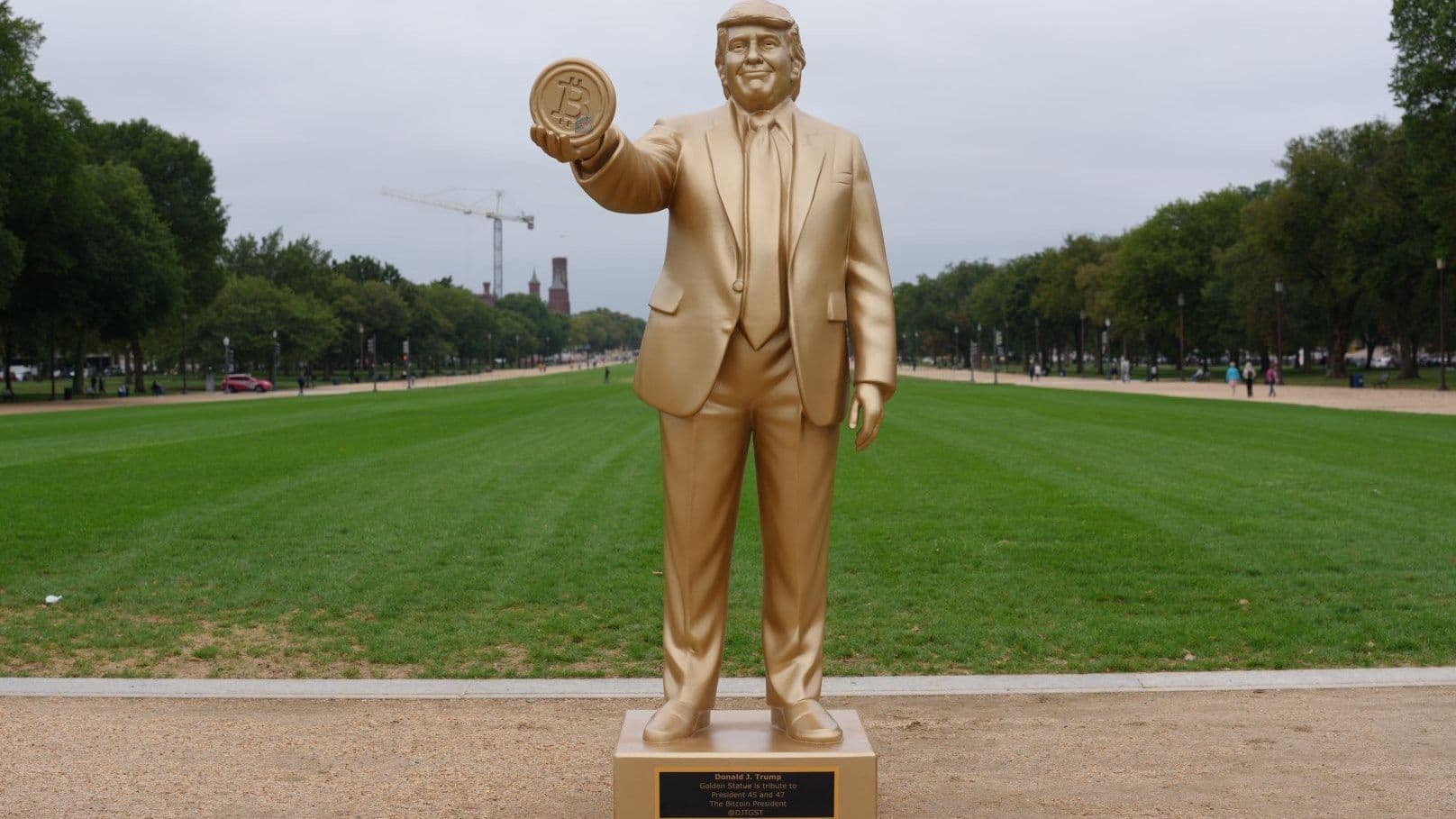
The modern political stage is no longer defined solely by speeches, rallies, and television soundbites. It has shifted into a hyper-digital, fast-moving world where influence, perception, and narrative travel at the speed of data. Against this backdrop, Donald Trump’s era—often described by supporters as a “golden age”—emerges as uniquely positioned in history.
1. The First Presidency Truly Shaped by Social Media
While Barack Obama pioneered political use of digital platforms, Trump weaponized them. His direct engagement on X (formerly Twitter) bypassed traditional media filters, creating real-time political communication never seen before. This direct-to-public model set a precedent for leaders worldwide in the digital age.
2. The Rise of Meme Culture as Political Capital
Trump’s image, phrases, and rallies transcended politics into viral digital culture. Memes became more powerful than press releases, spreading faster than policy papers. This fusion of entertainment and politics blurred the line between pop culture and governance in a way uniquely suited to a future where attention is the new currency.
3. Digital-Era Economics and Market Shockwaves
Under Trump, markets became highly reactive not just to policy, but even to a single post. His online presence had the power to move oil prices, shake up global trade sentiment, and spark crypto chatter. In a futuristic, algorithm-driven economy, this showcased how individual influence could ripple globally through digital signals.
4. Nationalism Meets Global Interconnectivity
In an age of globalized supply chains and AI-driven economies, Trump’s policies emphasized digital-era nationalism—reshoring manufacturing, controlling data flows, and rethinking tech trade wars (notably with China). This dynamic tension between nationalism and globalization defines the futuristic economic battleground.
5. Digital Populism as a Political Force
Traditional political movements relied on grassroots organizing. Trump’s base was amplified by digital populism—online communities, hashtags, livestreams, and influencer networks. It represented the shift from door-to-door campaigning to algorithm-to-algorithm campaigning, where movements rise and fall on platforms.
6. Laying the Blueprint for Future Leadership Styles
Trump’s golden age highlighted that future leaders will be judged not only on policies but also on their digital presence, viral adaptability, and ability to dominate the online narrative. This sets a futuristic precedent where AI, blockchain, and immersive tech will amplify the power of leaders who can control attention at scale.
Published by Banx Network. This article is part of the Banx decentralized media programme, powered by the BXE token on the XRP Ledger.