Morning haze drifts across the Persian Gulf, sunlight shimmering off restless waters, each wave carrying the quiet weight of commerce and strategy. Ships glide in measured procession through the Strait of Hormuz, a narrow artery whose currents pulse with the lifeblood of global energy. For decades, the world has watched oil tankers traverse this slender channel, but now analysts warn of another market that could feel even sharper reverberations should the strait close: natural gas, particularly liquefied natural gas (LNG), whose flows are entwined with pipelines, ports, and contracts in ways that leave little room for abrupt disruption.
Investors, governments, and shipping companies watch from afar and nearby, noting how global energy interconnects in delicate lattices. LNG shipments, already stretched across continents, are acutely sensitive to bottlenecks. Unlike crude oil, whose stockpiles cushion brief shocks, gas markets rely on precise timing: refrigeration, tanker schedules, and pipeline integrity all matter. A closure in Hormuz could ripple through Asia, Europe, and beyond, sending prices upward and forcing policymakers to scramble, not merely for market stability but for the rhythm of daily life, heating, and industry that hinges on timely fuel.
The implications are both technical and human. LNG plants in Qatar, shipping terminals in Japan, and import-dependent economies across Europe are linked in a chain of cause and effect. Disruptions could alter energy availability, trade balances, and household costs. In each port city, the hum of industrial equipment masks a subtle anxiety: managers calculate alternative routes, governments weigh stockpile releases, and families may face winter bills shaped by distant geopolitical currents.
Yet within this fragility lies a measure of foresight. Energy markets have built redundancies, strategic reserves, and flexible contracts precisely to navigate uncertainty. Still, the Strait of Hormuz remains a geographic chokepoint whose closure would test both planning and patience. Watching the tankers pass, one sees not just commerce but a reflection of modern life’s dependence on distant channels, fragile yet vital.
As the global community contemplates this possibility, the lesson emerges quietly: energy markets are broader than oil alone, their movements a delicate choreography in which every disruption casts far-reaching shadows. In the narrow waters of Hormuz, one sees how deeply global economies are entwined, and how close the pulse of everyday life can come to the swell and ebb of a strait half a world away.
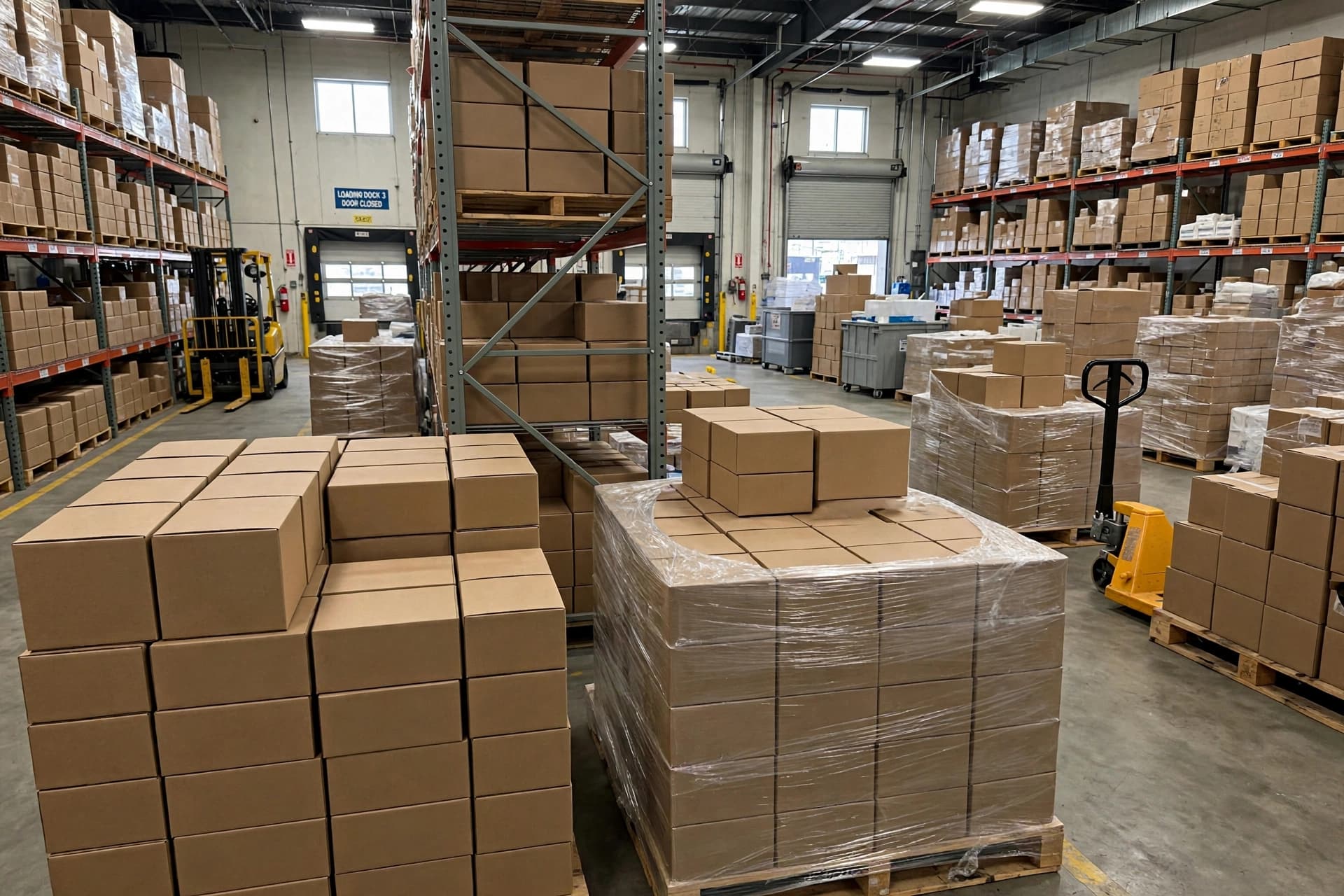
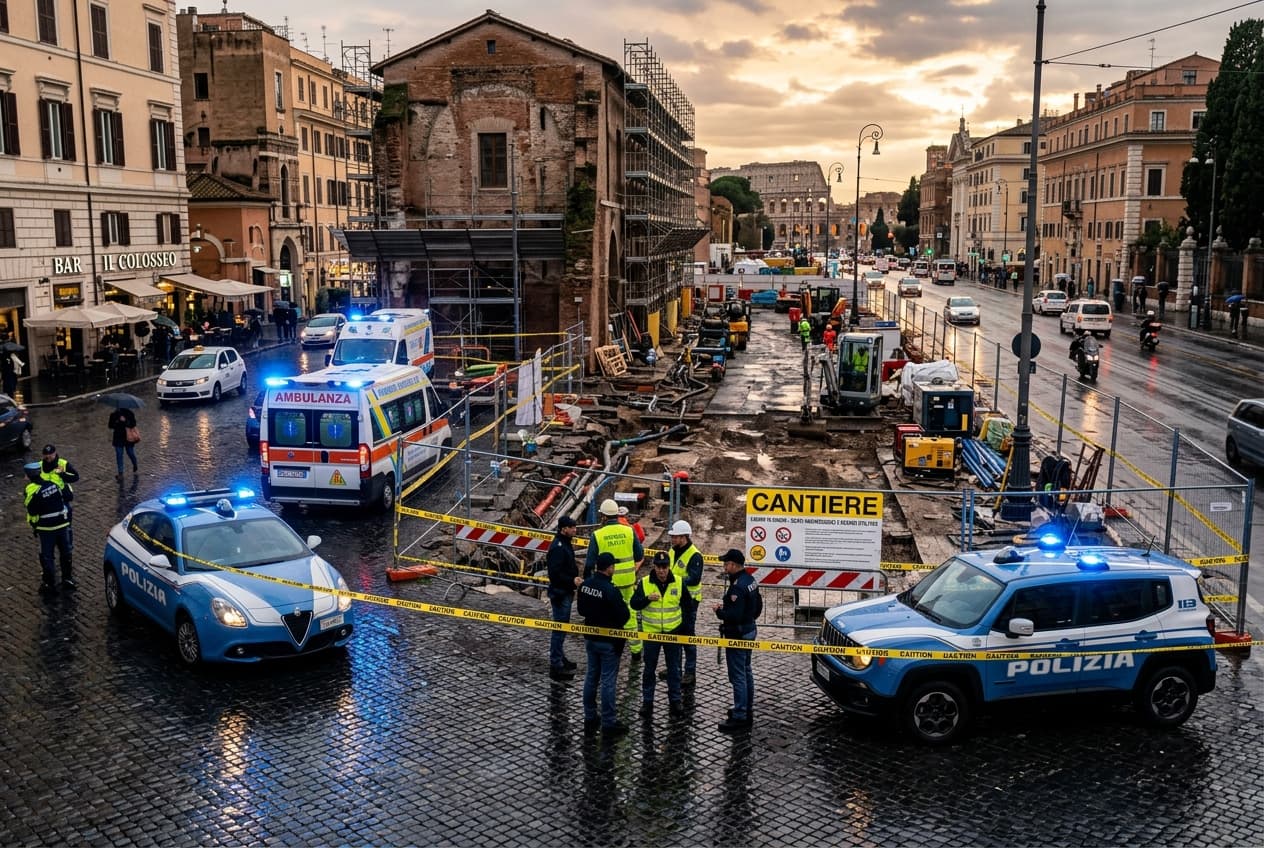
AI Image Disclaimer Illustrations were created using AI tools and are not real photographs.
Sources Reuters Bloomberg Financial Times S&P Global Platts The Wall Street Journal
Published by Banx Network. This article is part of the Banx decentralized media programme, powered by the BXE token on the XRP Ledger.