
Key Highlights
- Restoration Plan:Beirut Municipality has approved a comprehensive restoration project for historic districts.
- Funding Sources:The initiative is funded through public grants and private donations.
- Cultural Impact:The project aims to revitalize the cultural and economic life of the city’s oldest neighborhoods.
Beirut, a city rich in history and culture, is embarking on a significant urban restoration project aimed at revitalizing its historic districts. The Beirut Municipality has officially approved a comprehensive plan that focuses on stabilizing structural elements and restoring traditional architectural features. This initiative comes in response to the extensive damage these areas have suffered in recent years, particularly due to conflicts and neglect.
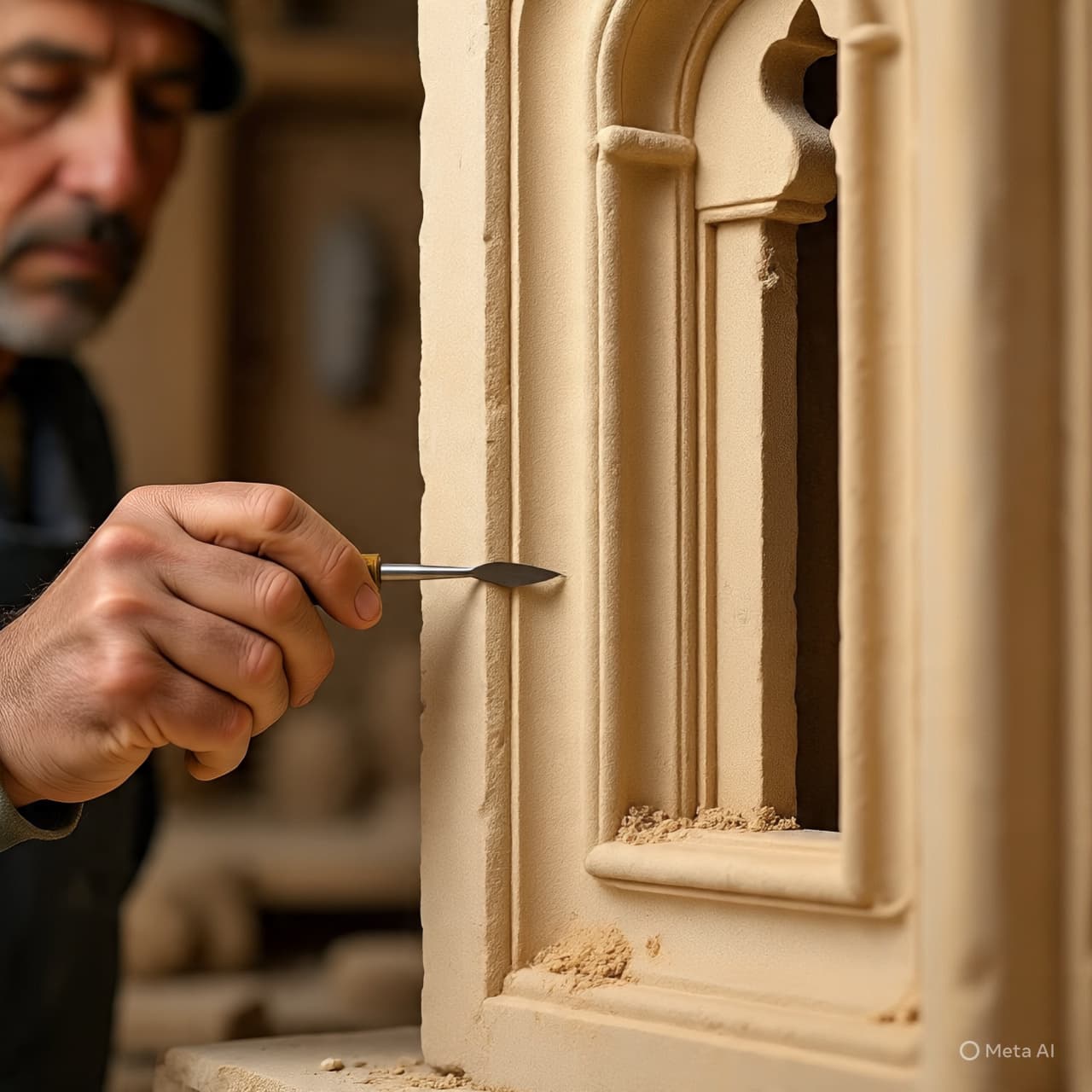
The restoration project is not merely about repairing buildings; it is a profound commitment to preserving the cultural identity of Beirut. The city’s landscape is a tapestry woven from various historical periods, with Ottoman-era stone structures standing alongside modern glass buildings. This juxtaposition highlights the importance of maintaining the architectural heritage that defines the city’s character. The restoration efforts will utilize historically accurate materials to ensure that the original craftsmanship is honored and preserved.
According to the National News Agency, the funding for this ambitious project will come from a combination of public grants and private donations. This financial backing is crucial for the success of the initiative, as it aims to breathe new life into the city’s oldest neighborhoods, which are not only vital to Beirut's cultural identity but also to its economic vitality. By revitalizing these areas, the project seeks to attract both locals and tourists, fostering a sense of community and cultural pride.
The restoration process is expected to be meticulous, with a focus on preserving the intricate details that make these historic buildings unique. Each arch and colonnade restored will tell a story of resilience and continuity, bridging the gap between the past and the present. The project also emphasizes collaboration between local heritage societies and international architects, ensuring that the restoration efforts are both authentic and innovative.
As construction begins, the atmosphere at the restoration sites is one of careful deliberation. Workers and architects engage in a dialogue about the best practices for preserving the city’s architectural legacy. This collaborative spirit is essential, as it reflects a shared commitment to honoring the past while addressing the needs of a modern urban environment. The restoration is seen as a labor of love, a recognition that these buildings are not just structures but living monuments that embody the collective memory of the city.
The impact of this restoration project extends beyond the physical structures; it represents a cultural commitment to the principles of beauty and endurance. As the sun sets over the cobblestone streets, casting a golden hue on the restored facades, there is a palpable sense of hope and renewal. The project is a testament to the belief that a city’s heritage is its most enduring resource, and that by preserving it, Beirut can continue to thrive amidst the challenges of modernity.
In conclusion, the restoration of Beirut’s historic districts is a vital step towards revitalizing the city’s cultural and economic life. It is a project that honors the past while looking forward to a brighter future, ensuring that the spirit of Beirut remains vibrant and resilient.
Published by Banx Network. This article is part of the Banx decentralized media programme, powered by the BXE token on the XRP Ledger.



