
Key Highlights
- New Zealand's grocery market is dominated by two major players.
- High entry costs hinder the arrival of international grocery chains.
- Consumers are advocating for more diverse retail options.
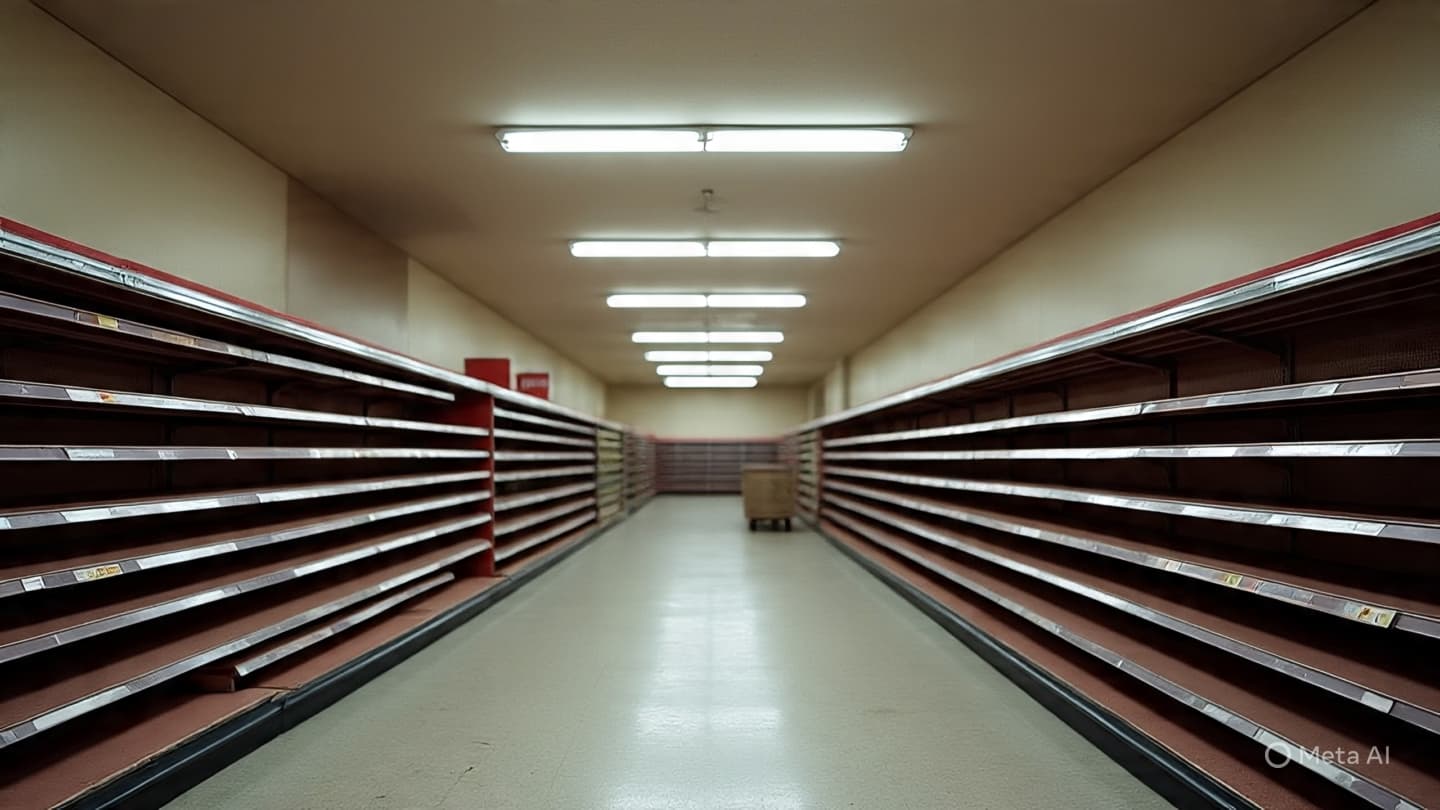
New Zealand's grocery sector is currently characterized by a duopoly, with two major players controlling the vast majority of the market. This situation has led to a lack of competition, which in turn affects consumer choice and pricing. Despite government efforts to encourage the entry of a third international grocery chain, significant barriers remain. High entry costs and complex supply chain logistics continue to deter potential competitors, keeping consumer prices among the highest in the OECD.
The struggle to attract a major international grocery chain to New Zealand is not just a matter of economics; it reflects a broader narrative about consumer rights and market health. The persistent dominance of two grocery giants limits the variety of products available to consumers, who often find themselves at the mercy of inflated prices and limited choices. This scenario raises questions about the fairness of the marketplace and the need for a more equitable distribution of power among retailers.
As consumers navigate the aisles of their local supermarkets, they are not merely shopping; they are participating in a complex economic ecosystem. The sounds of the shopping experience—the soft roll of trolleys, the beeping of scanners—serve as a backdrop to a larger conversation about access and choice. In this context, the prices displayed on shelves are not just numbers; they represent the culmination of supply chain dynamics, market forces, and consumer demand.
The concept of access is central to the discussion surrounding New Zealand's grocery sector. Every family should have the ability to choose where to spend their hard-earned income, yet the current market structure limits these choices. The barriers to entry for global players highlight the challenges faced by a small, isolated market like New Zealand. This situation underscores the notion that a nation's true wealth is reflected in the transparency and openness of its essential services, including grocery retail.
The potential for a new grocery chain to enter the market brings with it the promise of diversity. Different brands, competitive pricing, and innovative offerings could invigorate the retail landscape, providing consumers with more options and better value. This potential is akin to the arrival of a new ship in a harbor, symbolizing hope and opportunity for a more competitive era.
As discussions about grocery competition continue, there is a palpable sense of anticipation among consumers. The desire for a more equitable and affordable grocery sector is growing, fueled by a public that is increasingly vocal about its needs. The push for retail diversity is not just about economics; it is a movement towards a future where pantries are full and choices are abundant. The resilience of consumers in advocating for change is a testament to their commitment to challenging monopolies and inviting new players to the table.
In conclusion, New Zealand's grocery sector stands at a crossroads. The challenges of attracting a third international chain are significant, but the potential benefits for consumers are immense. As the conversation around grocery competition evolves, it is clear that the quest for a more diverse and accessible retail environment is a crucial step towards a brighter economic future for all New Zealanders.
Published by Banx Network. This article is part of the Banx decentralized media programme, powered by the BXE token on the XRP Ledger.



