
Key Highlights
- New Facility:The American University of Beirut has inaugurated a Marine Biology Research Center.
- Research Focus:The center will study climate change impacts on Mediterranean biodiversity.
- Regional Hub:It aims to foster collaboration between local and international researchers.
The Mediterranean Sea along the Lebanese coast is a landscape of ancient secrets, a vast blue expanse where the history of Phoenician trade meets the fragile vitality of the modern ecosystem. In the quiet laboratories of the newly launched Marine Biology Research Center at the American University of Beirut (AUB), the air is cool and carries the subtle scent of salt and iodine—a fragrance of the frontier that marks the beginning of a new dialogue with the deep. This center represents a commitment to understanding the liquid horizon that defines Lebanon's borders.
The inauguration of AUB's advanced research facility is a significant step in securing scientific sovereignty for Lebanon. It embodies a narrative of curiosity and stewardship, deploying underwater sensors and establishing nurseries for endangered Mediterranean species. This initiative suggests that the enduring wealth of a coastal nation lies not in the traffic of its ports but in the health of its waters.
The geography of this research is a map of hidden life, stretching from the sun-drenched kelp forests of the shallows to the dark, mysterious canyons of the continental shelf. It bridges traditional knowledge from local fishermen with the data-driven demands of modern oceanography. The atmosphere in the center is one of narrative restraint, where the complexity of marine biology is managed with clinical precision, honoring the mystery of the sea. The prosperity of the future is inextricably linked to the preservation of the maritime biome.
A community of scientists organizes itself around the ocean's potential, monitoring reefs and mapping currents. Each effort is a story of connection, ensuring that the Lebanese coast remains a vibrant sanctuary in a restless world. The journey from the surface to the seabed is transformative, showcasing the belief that present ingenuity can navigate the challenges posed by climate change. It is the work of explorers tending to the roots of the sea.
The synergy between AUB and international marine agencies is crucial for protecting the biodiversity of the Levant. In a landscape often defined by terrestrial pressures, the research center serves as a sanctuary of discovery. This commitment to life sciences is the silent engine of Lebanon's environmental policy, prioritizing the understanding of water as a fundamental right for future generations. It is a labor of patience, recognizing that a republic's true strength lies in its ability to protect its natural heritage.
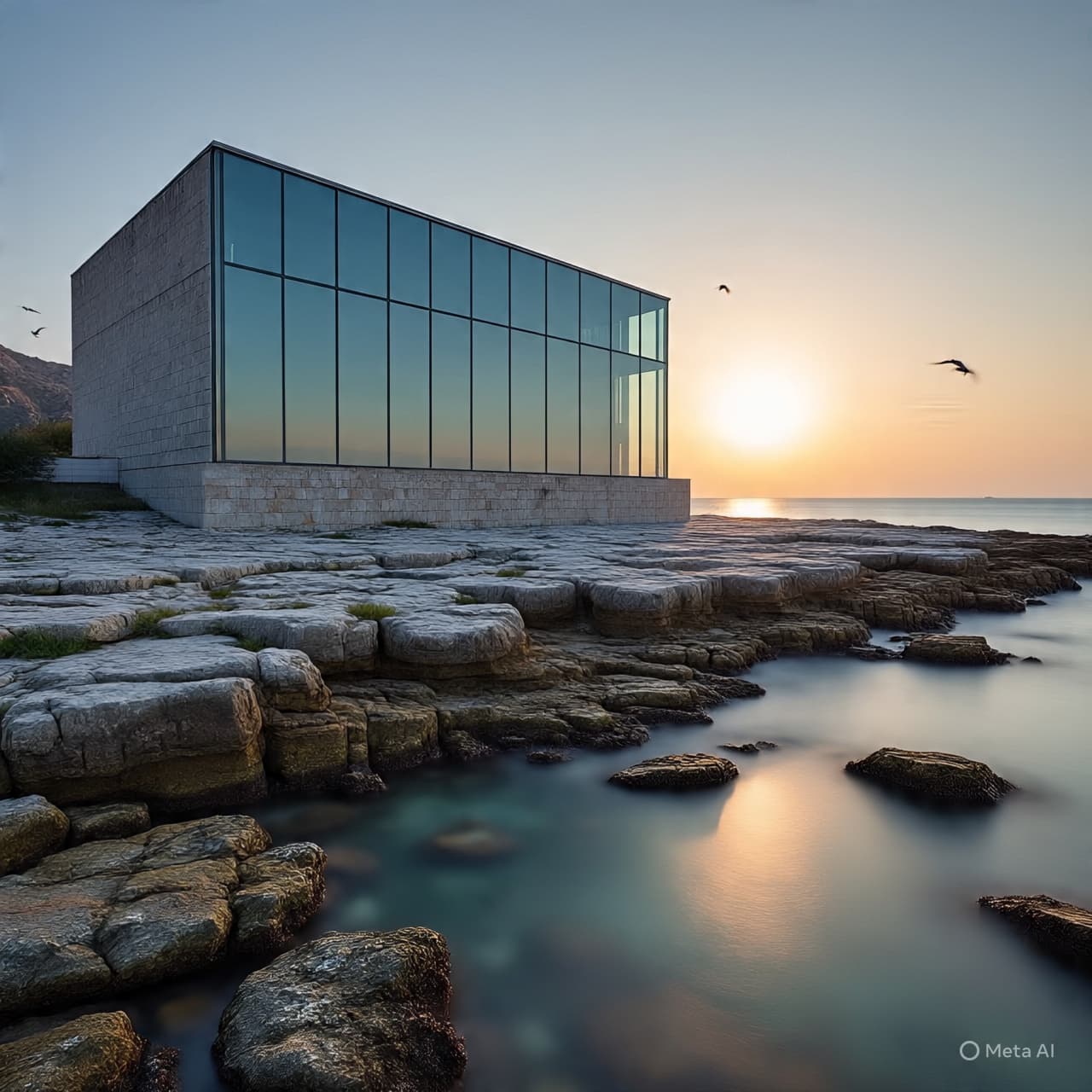
As the sun sets over the Mediterranean, casting a golden light across research vessels and quiet labs, a sense of measured evolution prevails. The science conducted here is not merely technical; it is a cultural commitment to respect and preservation. The sea is a shared heritage requiring constant collaborative effort to protect.
Recognizing our dependence on the tide teaches humility and gratitude. Lebanon's heritage is a story of a people defined by water, offering a perspective where the blue horizon mirrors their aspirations, ensuring that the spirit of the land remains a beacon for the world.
The Marine Biology Research Center at AUB features state-of-the-art laboratories and a fleet of autonomous underwater vehicles for deep-sea exploration. According to L'Orient Today, the facility will serve as a regional hub for maritime conservation, fostering collaboration between local researchers and international environmental organizations.
Published by Banx Network. This article is part of the Banx decentralized media programme, powered by the BXE token on the XRP Ledger.



