
Key Highlights
- 15% increase in operational efficiency reported by the Port of Melbourne.
- Implementation of smart-berth allocation system marks a significant milestone.
- Focus on sustainable practices integrates environmental protection with trade.
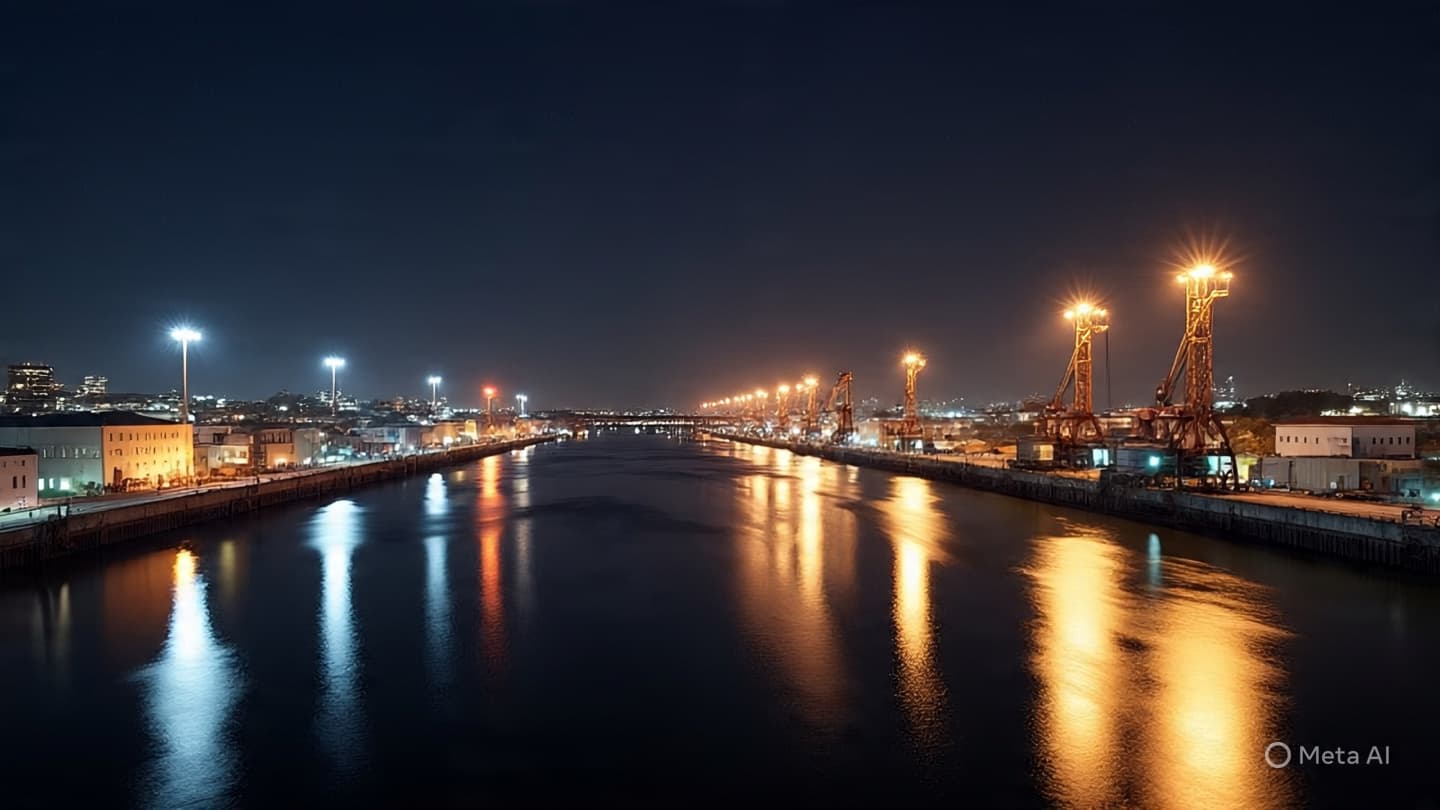
The Port of Melbourne stands as a testament to the intersection of tradition and innovation in maritime trade. Nestled along the Yarra River, this bustling port has long been a vital artery for Australia’s economy, facilitating the movement of goods and services. Recently, the port has embraced a wave of technological advancements aimed at enhancing operational efficiency and sustainability, reflecting a commitment to adapting to the complexities of the 21st-century global supply chain.
In the early morning hours, the port comes alive with the sounds of cargo ships and automated cranes, a symphony of industry that underscores the importance of maritime logistics. The recent implementation of a smart-berth allocation system has led to a remarkable 15% increase in operational efficiency, allowing for more effective management of vessel arrivals and departures. This system utilizes real-time data to optimize berth usage, significantly reducing turnaround times for ships and enhancing overall productivity.
The atmosphere within the control centers is charged with a sense of purpose as port operators monitor the flow of goods. The integration of advanced technologies, including AI-driven logistics and 5G connectivity, has transformed the way the port operates. These innovations not only streamline processes but also contribute to a more sustainable approach to maritime trade. The port is increasingly focused on becoming a 'Green Port,' where environmental considerations are woven into the fabric of daily operations.
As Melbourne continues to evolve, the port serves as a lens through which the broader economic landscape can be viewed. The emphasis on sustainability is not merely a trend but a necessity, as the port seeks to balance the demands of international shipping with the preservation of the natural environment. Initiatives aimed at reducing emissions and protecting local biodiversity are now integral to the port's operational strategy, ensuring that economic growth does not come at the expense of ecological health.
The significance of the Port of Melbourne extends beyond its immediate economic contributions. It plays a crucial role in national connectivity, acting as a buffer against the unpredictability of global trade dynamics. By investing in innovative solutions and sustainable practices, the port is not only enhancing its own resilience but also fortifying Australia’s position in the global marketplace. This strategic foresight is essential for navigating the challenges posed by fluctuating trade patterns and environmental concerns.
As the mid-year performance reviews of 2026 are compiled, the impact of these innovations becomes increasingly evident. The Port of Melbourne's commitment to operational excellence and sustainability positions it as a leader in the maritime industry. The ongoing evolution of this vital hub reflects a broader narrative of adaptation and resilience, ensuring that the port remains a cornerstone of Australia’s economic future.
In conclusion, the Port of Melbourne exemplifies the harmonious blend of tradition and innovation in maritime trade. Its recent advancements not only enhance operational efficiency but also pave the way for a more sustainable future, demonstrating that economic success and environmental stewardship can coexist.
Published by Banx Network. This article is part of the Banx decentralized media programme, powered by the BXE token on the XRP Ledger.



