
Key Highlights
- 29 U.S. troops injured in recent missile and drone attacks.
- Attacks mark a significant escalation in regional tensions.
- Daily life at Prince Sultan Air Base disrupted by conflict.
Recent missile and drone attacks have significantly impacted daily operations at Saudi Arabia's Prince Sultan Air Base, injuring at least 29 U.S. service members. This series of assaults, attributed to Iranian forces, has transformed the once-quiet base into a focal point of escalating conflict in the region. The attacks have not only caused physical injuries but have also altered the atmosphere of routine and safety that personnel had come to expect.
The most recent wave of violence occurred on Friday, when six ballistic missiles and 29 drones were launched towards the base. These projectiles traveled hundreds of kilometers before reaching their targets, highlighting the increasing sophistication and reach of the threats facing U.S. forces stationed in the area. The injuries sustained by the troops range from mild concussions to more severe wounds, each telling a story of the unpredictable nature of modern warfare.
Prince Sultan Air Base has long been a strategic asset for U.S. and allied forces, providing logistical support and a staging ground for operations across the Middle East. However, the recent attacks have underscored the vulnerabilities that exist even in well-defended installations. The base's personnel, who once moved about their duties with a sense of normalcy, now navigate an environment fraught with tension and uncertainty.
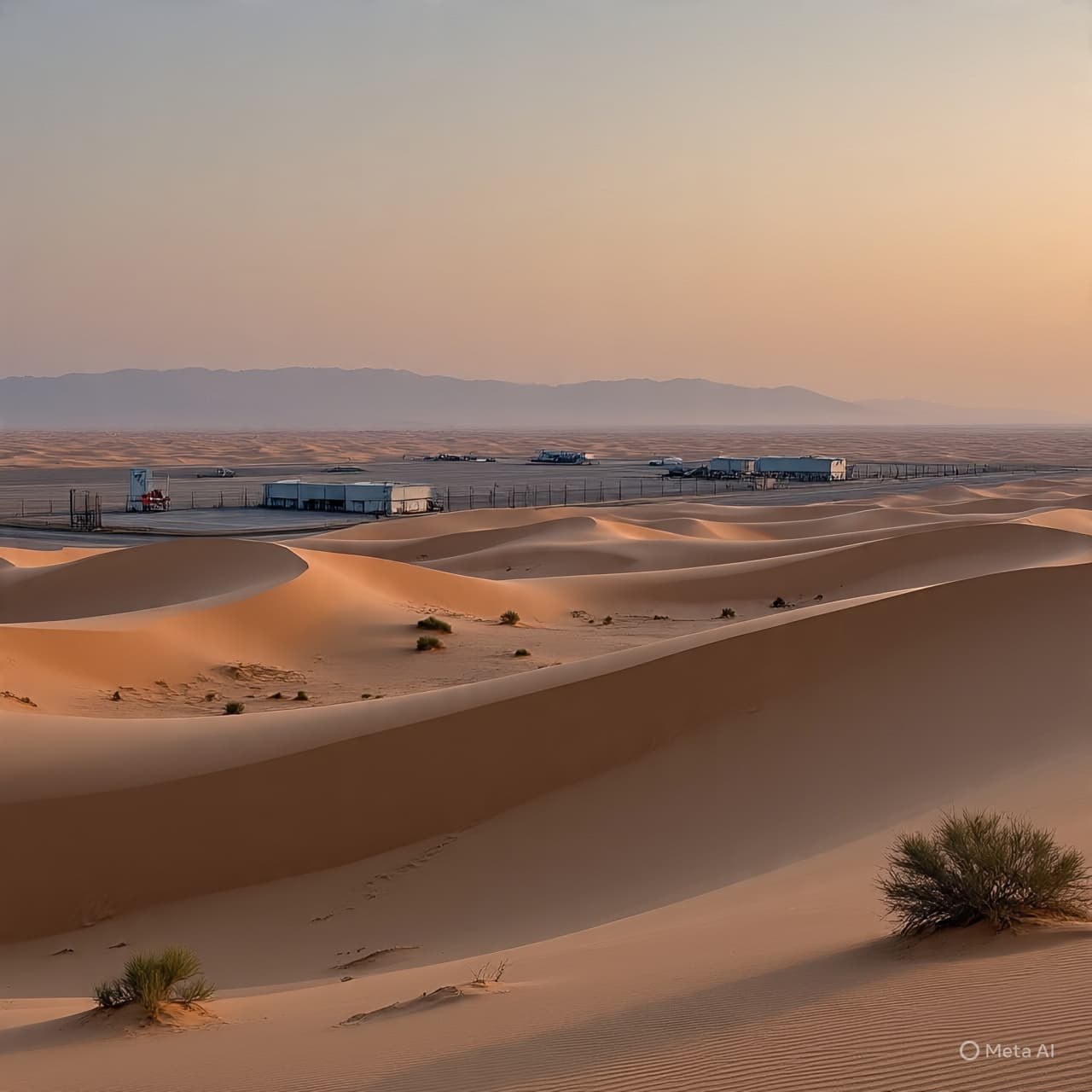
As the sun rises each day over the desert, the stark contrast between the beauty of the landscape and the harsh realities of conflict becomes increasingly apparent. Service members at the base have reported a palpable shift in their daily routines, with moments of silence now punctuated by the sounds of alert tones and the urgency of military protocols. The camaraderie that once flourished in the early morning hours over coffee and casual conversations has been overshadowed by the weight of recent events.
The human element of this story is crucial. Each injury represents not just a statistic but a disruption of life — a morning drill interrupted, a conversation cut short. The base's personnel are not just soldiers; they are individuals with families and lives that extend beyond the confines of the base. The ongoing conflict has forced them to confront the reality that their roles can change in an instant, and the safety they once took for granted is now a fragile concept.
As twilight descends on the base, the shadows lengthen over the runways and aircraft, serving as a reminder of the duality of their existence. The sun will rise again, but the memories of the past week will linger, shaping the experiences of those who serve there. The resilience of the service members is evident as they continue to prepare for their missions, eyes fixed on the horizon, ready to face whatever challenges lie ahead.
In the broader context of regional tensions, these attacks signal a worrying escalation that could have far-reaching implications for U.S. military strategy and the safety of personnel stationed abroad. The situation at Prince Sultan Air Base serves as a microcosm of the larger geopolitical landscape, where the rhythms of life are inextricably linked to the realities of conflict.
Published by Banx Network. This article is part of the Banx decentralized media programme, powered by the BXE token on the XRP Ledger.



