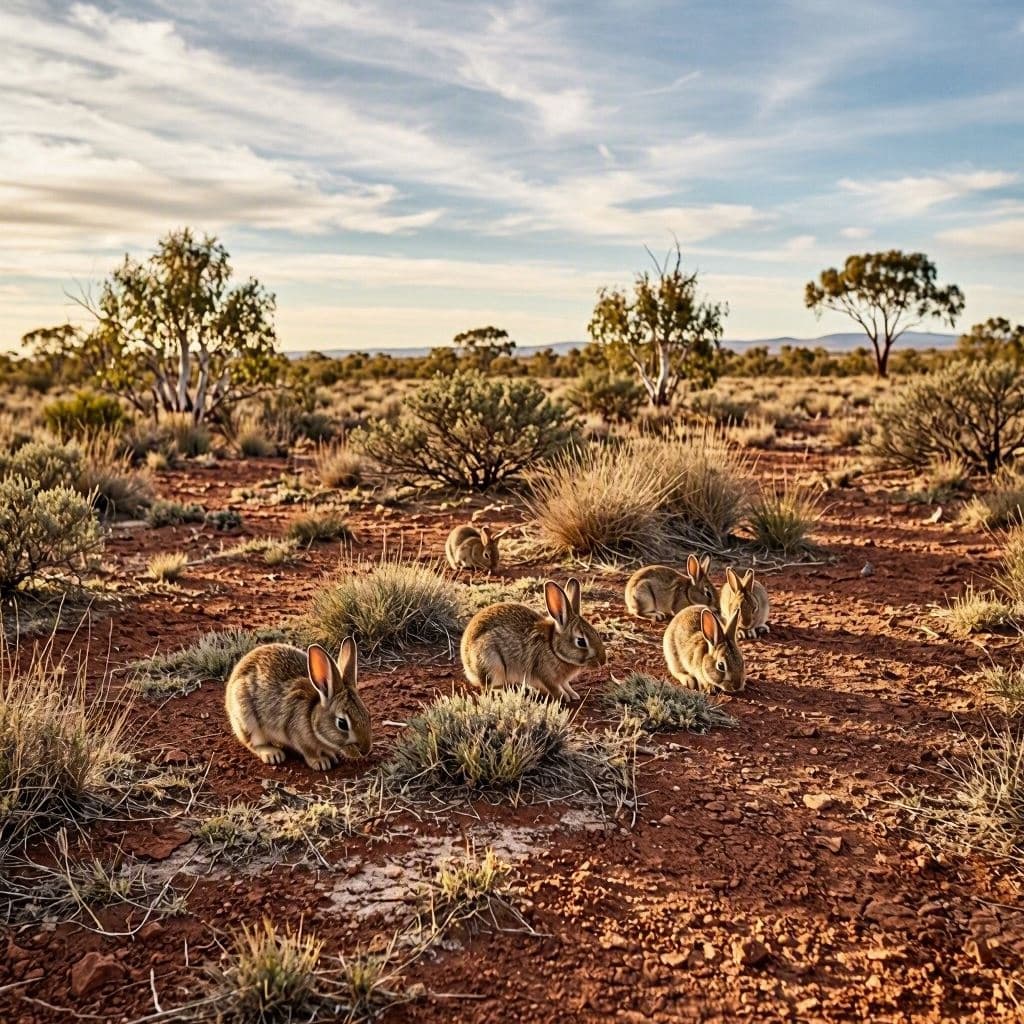
In the vast, sun-baked landscapes of Australia, a familiar enemy has returned with renewed vigor. The European rabbit, introduced in the 19th century, has long been considered one of the continent’s most destructive invasive species. Recently, however, conservationists and farmers have noted a troubling surge in rabbit populations, threatening native wildlife and agricultural productivity. This resurgence raises urgent questions about why previous control measures are losing their effectiveness.
For decades, the myxoma virus and later the Rabbit Hemorrhagic Disease Virus (RHDV) helped keep rabbit numbers in check. These biological controls were hailed as successes, significantly reducing the burden on ecosystems. But nature is adaptable. Recent studies suggest that rabbits are developing resistance to these viruses, allowing their populations to rebound. Additionally, favorable weather conditions, including wetter seasons, have provided ample food and breeding opportunities for the pests.
The impact on native species is profound. Rabbits compete with small marsupials and ground-dwelling birds for food and shelter, often outcompeting them due to their rapid reproduction rates. They also contribute to soil erosion by stripping vegetation, which degrades habitats for other animals. For endangered species already struggling with habitat loss and climate change, the return of the rabbit adds another layer of pressure.
Farmers are feeling the pinch as well. Rabbits consume crops and pasture grass, leading to significant economic losses. In some regions, the cost of controlling rabbit populations is becoming unsustainable for individual landholders. This economic strain highlights the need for coordinated, large-scale management strategies that go beyond local efforts.
Government agencies are exploring new tools to combat the boom. Research is underway into next-generation biological controls, including modified viruses that can overcome emerging resistance. There is also a renewed focus on traditional methods such as warren ripping and fencing, combined with targeted poisoning programs. However, these methods require careful implementation to minimize harm to non-target species.
Public awareness plays a crucial role in managing the issue. Community involvement in monitoring and reporting rabbit activity can help authorities respond more quickly to outbreaks. Education campaigns emphasize the importance of biosecurity and responsible land management. By engaging locals, conservationists hope to build a more resilient defense against the invasive pest.
The story of the rabbit in Australia is a cautionary tale about the unintended consequences of introducing foreign species. It reminds us that ecological balance is fragile and requires constant vigilance. As scientists and communities work together to address the current boom, the goal is not just to reduce numbers but to restore health to the unique Australian environment.
AI Image Disclaimer: The images used in this report are AI-generated visuals created to illustrate the ecological impact of invasive species.
Sources: ABC News Australia, CSIRO, The Guardian
Published by Banx Network. This article is part of the Banx decentralized media programme, powered by the BXE token on the XRP Ledger.