Morning light filters through tall trees, catching on the edges of metal and glass as a quiet road bends away into the woods. It is the kind of setting that invites pause rather than speed, a place where movement feels deliberate. Into this landscape arrives a new shape—familiar in badge, but subtly different in posture—hinting that something in Toyota’s electric story is gently shifting.
The 2026 Toyota bZ Woodland steps slightly sideways from the path its predecessors followed. Where many electric vehicles lean into tall, upright silhouettes, this new model stretches out instead, borrowing cues from wagons rather than conventional SUVs. Its roofline extends with purpose, its proportions suggesting cargo, journeys, and the quiet practicality once associated with long roofs and rear hatches.
Toyota’s bZ lineup, introduced as the company’s first dedicated electric family, has until now carried a distinctly crossover character. The Woodland variant softens that stance. Its longer rear section and more horizontal profile signal a design meant not only for city streets, but for gear, distance, and unhurried travel. It feels less like a statement and more like an invitation—space made visible.
Details reinforce that intention. The bZ Woodland is positioned with outdoor-minded drivers in view, blending electric efficiency with the suggestion of versatility. All-wheel-drive capability and a slightly more rugged appearance point toward light off-pavement use, while the wagon-like form emphasizes balance over bulk. It is not an aggressive departure, but a recalibration.
Beneath the shape lies the familiar electric foundation: a battery-electric powertrain aligned with Toyota’s broader EV strategy. Range figures and charging specifics place it squarely within the expectations of modern electric driving—usable, predictable, and designed to fit into everyday routines rather than redefine them. The focus is less on extremes than on continuity.
The timing matters. As electric vehicles mature, their designs are beginning to branch out, moving beyond early experiments in form. The bZ Woodland reflects that moment. It suggests that EVs no longer need to prove their difference through exaggerated styling; they can instead revisit older ideas—like the wagon—through new technology.
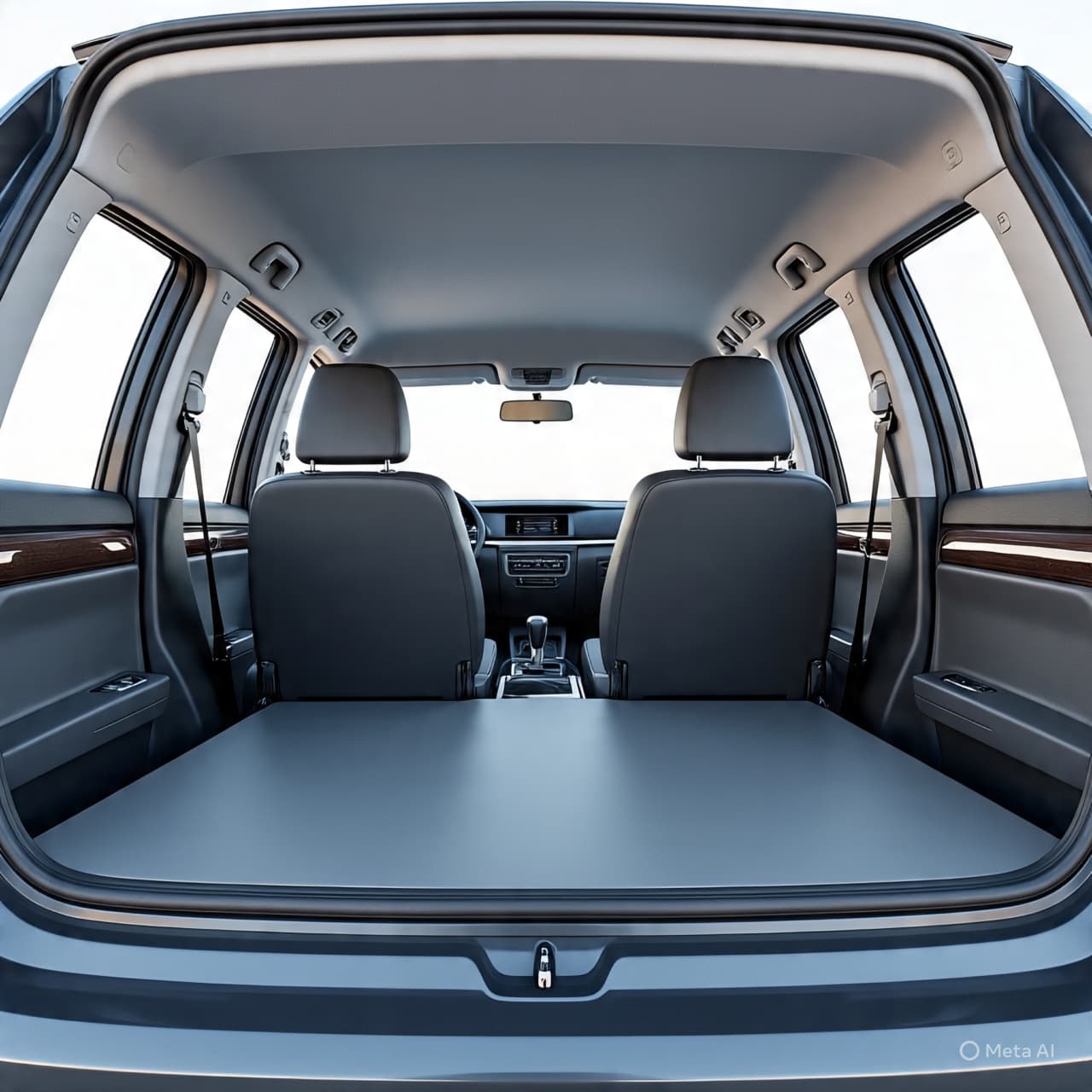
Inside, the promise of space carries forward. A longer roofline translates into practical cargo room, while the cabin maintains Toyota’s familiar emphasis on clarity and function. Screens and controls serve quietly in the background, leaving the vehicle’s defining feature not its technology, but its shape and intent.
As the electric market grows more crowded, distinction increasingly comes from nuance. The 2026 Toyota bZ Woodland does not shout its presence. It stands a little longer, a little lower, and lets that be enough. In doing so, it reopens a design conversation many thought had closed, reminding drivers that progress sometimes arrives not as a leap forward, but as a thoughtful turn down a different road.
AI Image Disclaimer Visuals are AI-generated and serve as conceptual representations.
Sources Toyota Motor Corporation Reuters Automotive News Car and Driver MotorTrend
Published by Banx Network. This article is part of the Banx decentralized media programme, powered by the BXE token on the XRP Ledger.