

Key Highlights
- Resumption of Flights:Air China has restarted direct flights between Beijing and Pyongyang after a six-year hiatus.
- Historical Context:The flights were suspended in 2020 due to pandemic-related restrictions.
- Broader Implications:This move reflects a gradual reopening of travel and diplomatic relations between China and North Korea.
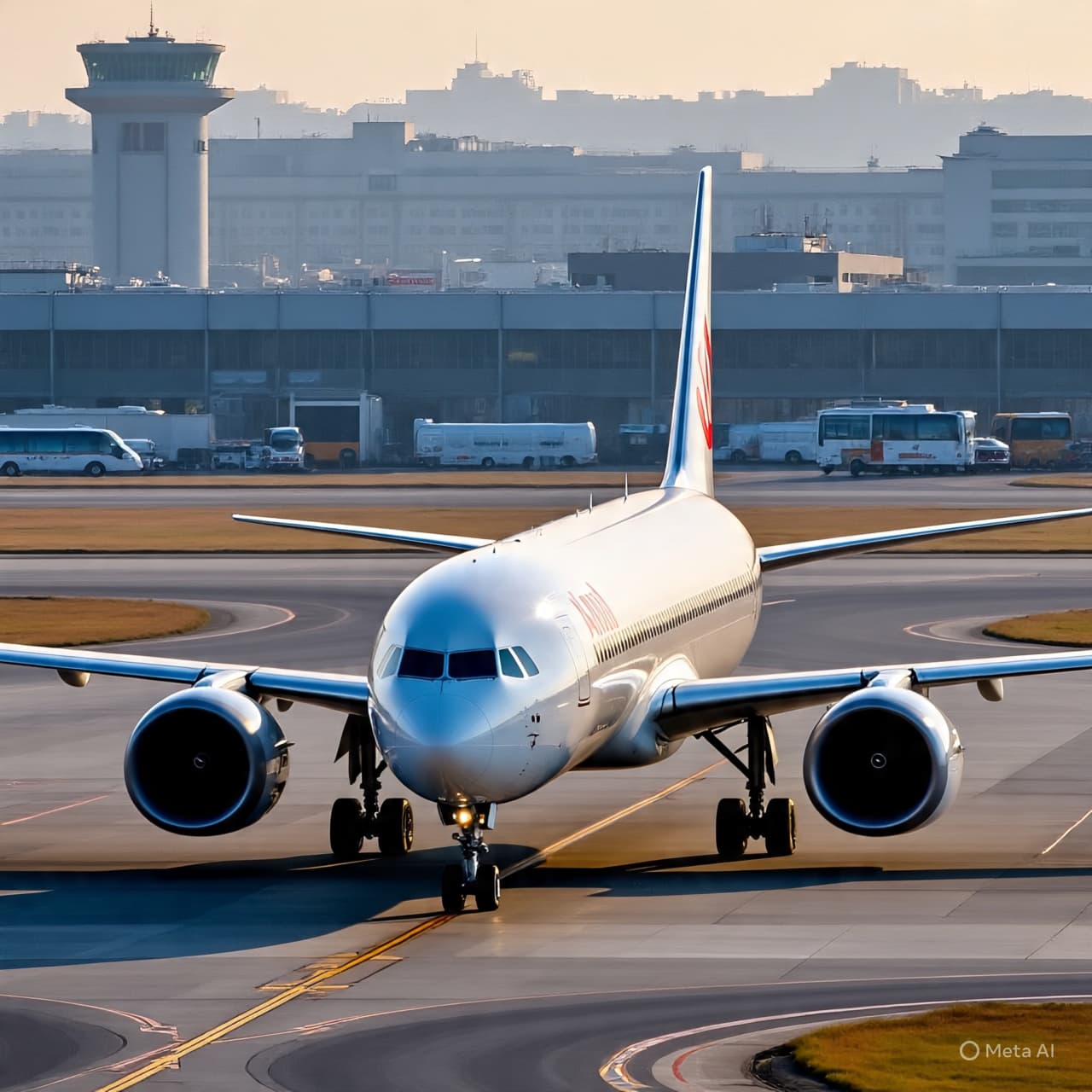
China has taken a significant step in restoring its travel connections with North Korea by resuming direct flights between Beijing and Pyongyang. The first flight, Air China’s CA121, departed from Beijing Capital International Airport on March 30, 2026, marking the end of a six-year hiatus that began in 2020 due to pandemic-related border closures and travel restrictions. This resumption of air travel comes shortly after the restoration of passenger train services between the two capitals, indicating a broader trend towards re-establishing cross-border connectivity.
The relationship between China and North Korea is deeply rooted in history, geography, and diplomacy. In the past, Chinese tourists made up a significant portion of visitors to North Korea, and the absence of flights during the pandemic symbolized a severing of connections that extended beyond mere travel. The return of Air China to the Pyongyang route is seen as a crucial step in rekindling these ties, offering a tangible sign of renewed engagement between the two nations.
Despite the optimism surrounding the resumption of flights, the current travel landscape remains cautious. Restrictions on tourist visas mean that not all travelers can easily make the journey, and much of the air traffic is still limited to official, business, or special purposes rather than mass leisure travel. Nevertheless, the introduction of regular air service with scheduled weekly flights is a positive development that many observers had anticipated, especially in light of the evolving regional dynamics.
The timing of this resumption aligns with other diplomatic gestures and the gradual restoration of transport links between China and North Korea. As China continues to be North Korea's largest trading partner, the revival of direct flights complements the reestablishment of rail connections that had been dormant for years. This interconnectedness is vital for both nations, as it supports economic stability and cultural exchanges that have been hindered by isolationist policies.
For residents and officials in both countries, the atmosphere surrounding the return of flights is one of tempered optimism. While the complexities of political relations and historical tensions remain, the resumption of air travel signifies a potential thaw in relations that had been frozen during the pandemic. The flights serve as a reminder that connections, once severed, can be gradually restored, even if the process is incremental.
As Air China resumes its scheduled service, the flights between Beijing and Pyongyang not only facilitate practical transportation needs but also resonate with deeper narratives of shared history and the enduring desire for connection. They reflect the ongoing evolution of travel and diplomacy in a region marked by both challenges and opportunities.
In summary, the resumption of direct flights between China and North Korea represents a significant milestone in the gradual reopening of travel links that had been disrupted for years. As authorities continue to monitor and coordinate travel protocols, the hope remains that these connections will pave the way for a more integrated future between the two nations.
Published by Banx Network. This article is part of the Banx decentralized media programme, powered by the BXE token on the XRP Ledger.




