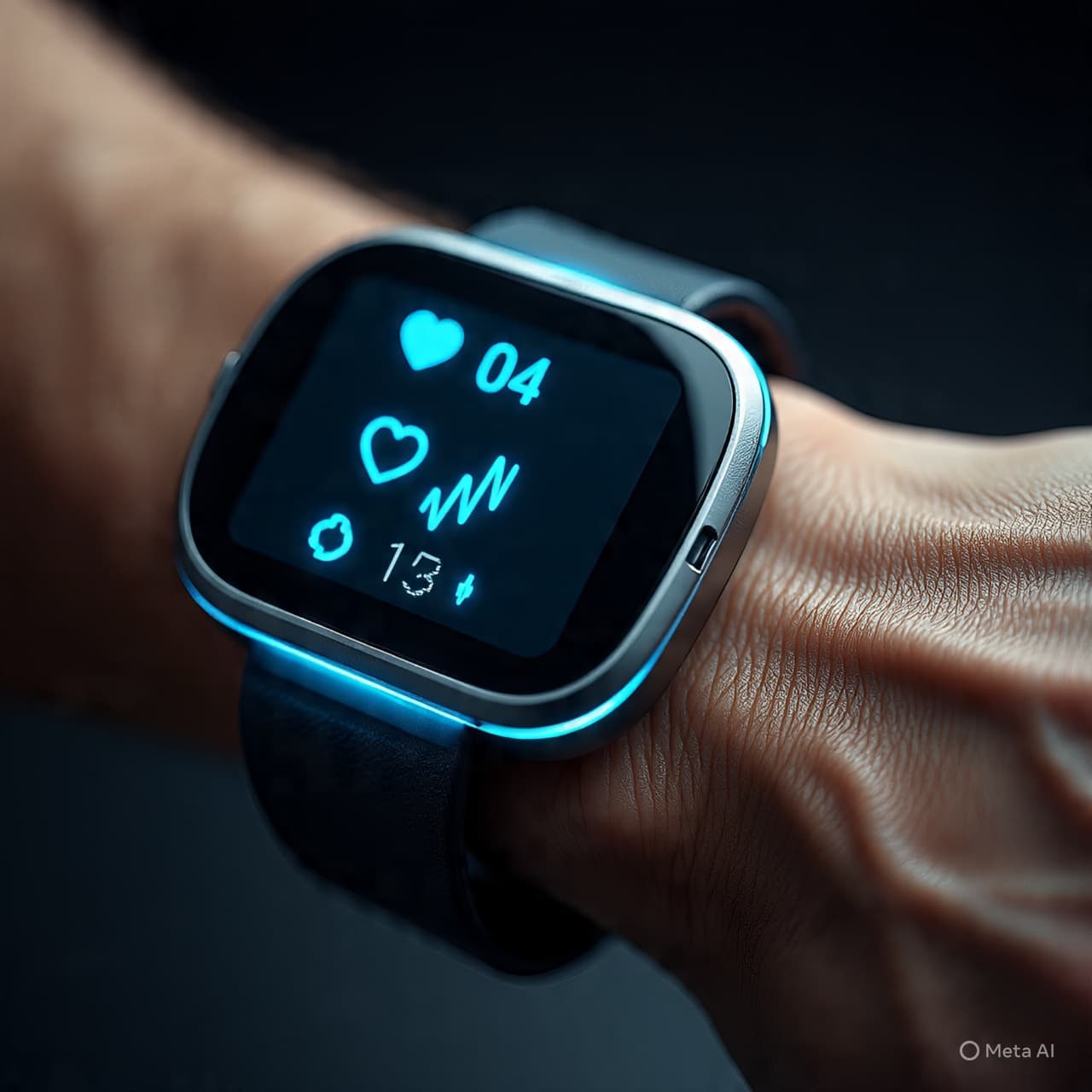
There is a certain audacity in trying to measure a molecule without piercing the body.
And yet — this is exactly the dream the current wave of startups is chasing. Not just better sensors, not just smaller devices, but something more philosophical: a future where metabolic information is ambient.
The real competition isn’t about the glucose number. It’s about *interface*.
Non-invasive glucose is a proxy fight for who will control the next layer of human telemetry. The wrist? The AirPod? The ring? The skin patch that looks like fashion instead of health hardware?
Labs and venture funds are treating this like the race to invent the touchscreen. Whoever solves “sensing without blood” will not just win a product category — they will own a data category.
Investors do not hide the stakes. In pitch decks, the timeline has a single emotional arc: from prick → to frictionless. And every deck telegraphs the same promise: that the walls between wellness and medical-grade biometrics are dissolving faster than regulators can rewrite definitions.
But the deeper shift is psychological. If glucose becomes as easy to capture as steps, then metabolic reading becomes infrastructure. It becomes something we expect, not something we avoid. The real threshold isn’t technical validation — it’s when a consumer stops thinking of glucose as a “test” and starts thinking of it as a “signal.”
This is why the race is not gentle. It is existential.
Because the company that normalizes non-invasive glucose is not selling hardware. They are selling *visibility* into a system that was previously inscrutable.
In the end, the technology is not the story. The story is this: the body is becoming searchable.
Published by Banx Network. This article is part of the Banx decentralized media programme, powered by the BXE token on the XRP Ledger.