Key Highlights
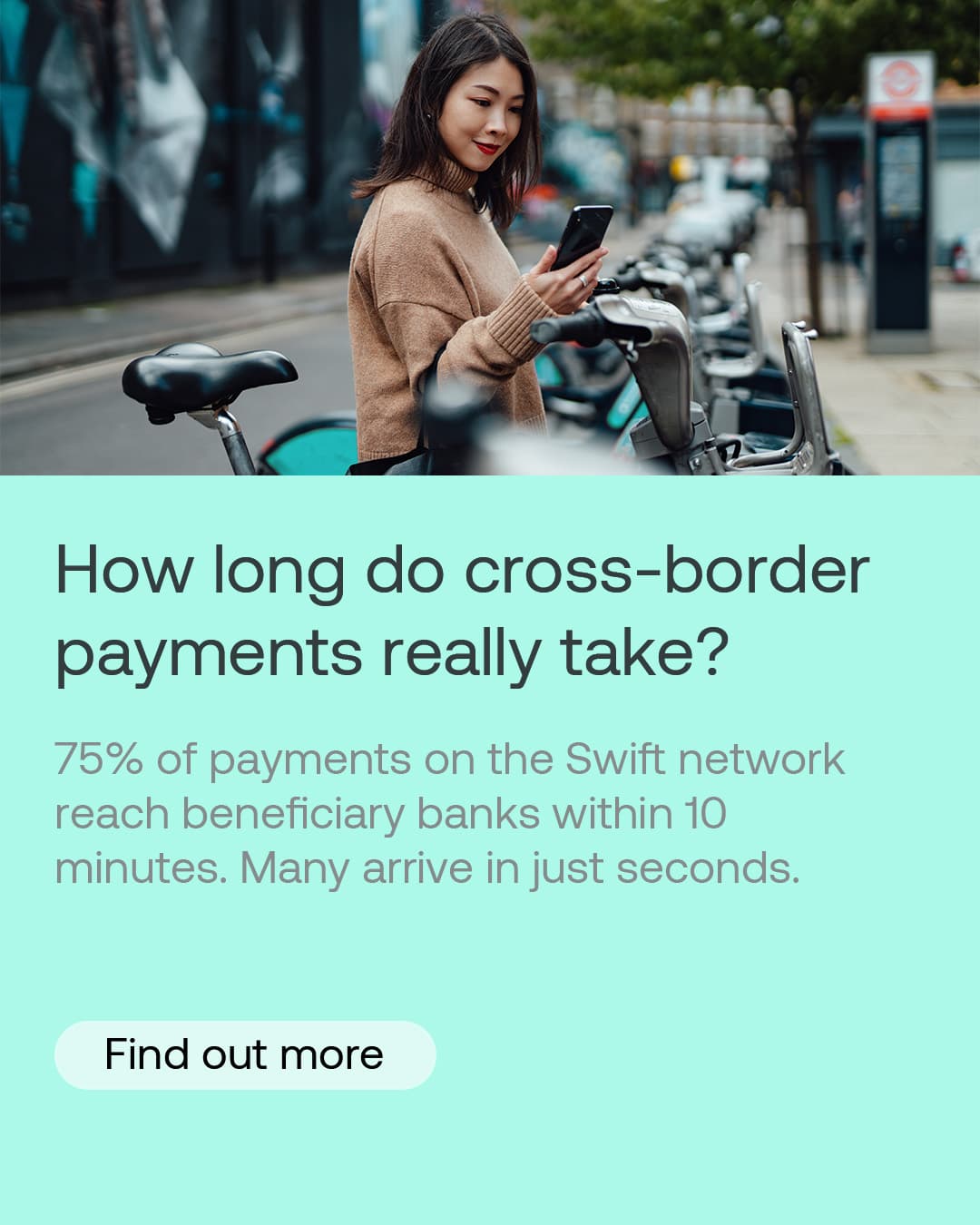
- Speed Revolution:75% of international payments now settle within 10 minutes.
- Economic Impact:Fast settlements are crucial for businesses and families.
- Hybrid Ecosystem:Traditional networks and blockchain solutions are merging.
The world of cross-border payments is undergoing a silent revolution—and speed is at the center of it. According to SWIFT, 75% of international payments now reach beneficiary banks within just 10 minutes, with many transactions settling in seconds. What once took days is now happening almost instantly.
For decades, sending money across borders meant delays, high fees, and uncertainty. Payments would pass through multiple intermediaries, each adding friction. But today, that legacy system is being reshaped by innovation, competition, and rising expectations in a digital-first economy. The demand for faster transactions is not just a trend; it is a necessity for businesses and individuals alike.
SWIFT’s transformation reflects a broader shift in global finance. The network, long seen as traditional infrastructure, is evolving—modernizing its rails to meet the demands of real-time commerce. Faster processing, improved transparency, and enhanced tracking are redefining how money moves internationally. This evolution is critical as businesses increasingly rely on quick settlements to manage cash flow effectively.
But speed isn’t just about convenience—it’s about economic impact. Families sending remittances need reliability and immediacy, especially in emerging markets where delays can mean missed opportunities or financial strain. The ability to send money quickly can significantly affect livelihoods, making the case for faster payment systems even more compelling.
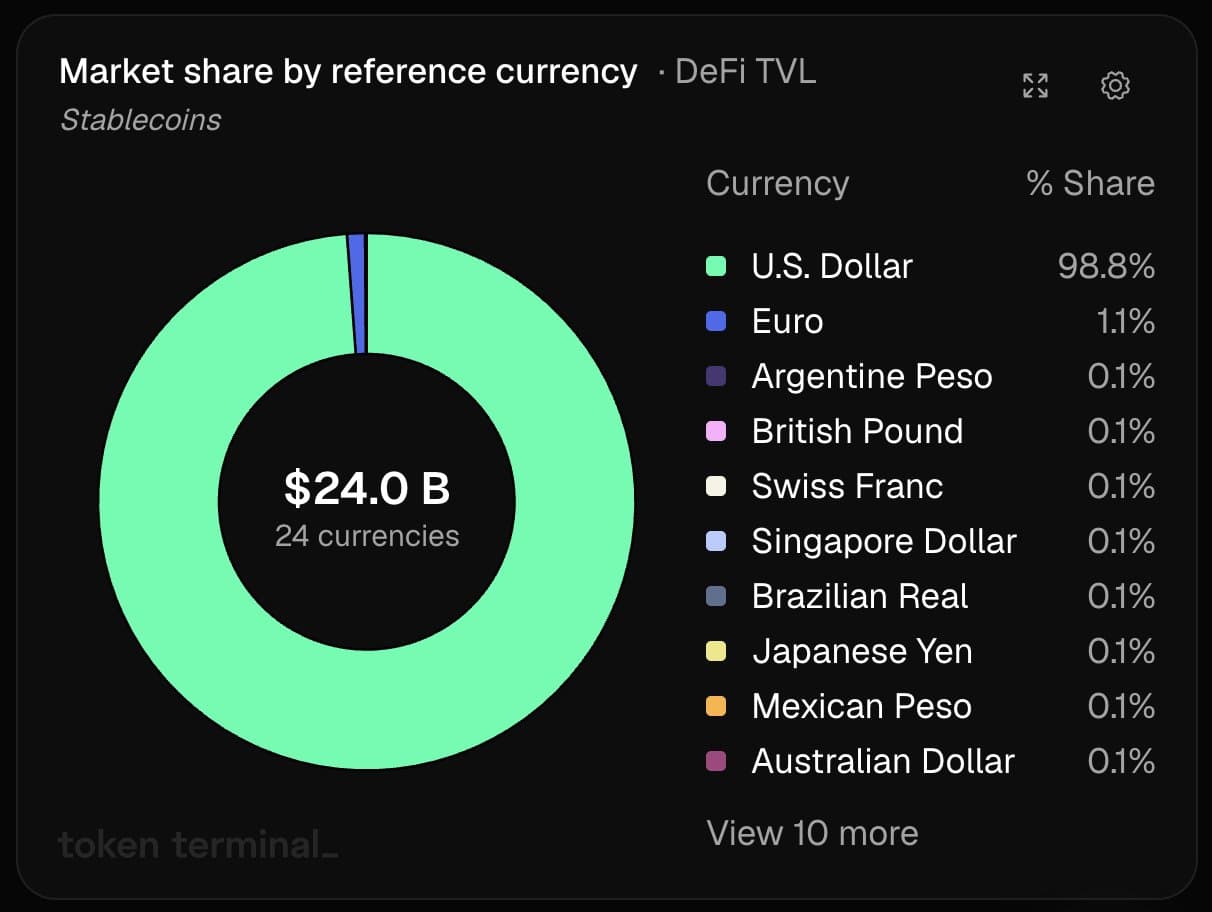
At the same time, SWIFT isn’t alone in this race. Blockchain-based solutions and fintech companies are pushing boundaries even further, offering near-instant transfers with lower costs. This competition is forcing traditional systems to adapt quickly—or risk becoming obsolete. The rise of digital assets and decentralized systems is creating a hybrid financial ecosystem that combines the trust of established networks with the speed and efficiency of innovative technologies.
However, challenges remain. Speed must be matched with security and compliance. Faster payments increase the stakes for fraud prevention and regulatory oversight. Ensuring that rapid transactions remain safe and traceable is critical to sustaining trust in the system. As the landscape evolves, stakeholders must prioritize security to protect users and maintain confidence in these new systems.
For users, the takeaway is simple: the era of waiting days for international transfers is ending. Whether through upgraded banking rails or blockchain alternatives, money is becoming as fast as information. As global finance accelerates, one question remains—who will define the standard for the next generation of payments? The answer will shape the future of financial transactions worldwide, influencing how businesses operate and how individuals manage their finances in an increasingly interconnected world.
Published by Banx Network. This article is part of the Banx decentralized media programme, powered by the BXE token on the XRP Ledger.