The Earth's frozen frontiers often appear timeless, standing like silent guardians at the edge of the world. Yet beneath that impression of permanence lies a landscape shaped by constant movement, where ice flows slowly toward the sea over centuries. New scientific findings are reminding researchers that these distant changes may carry consequences far beyond Antarctica, influencing coastlines and communities across the globe.
Scientists are continuing to monitor Antarctica's vast ice sheets as evidence shows that ice loss in several regions has increased over recent decades. Recent research suggests that if current warming trends continue, parts of the Antarctic Ice Sheet could contribute more rapidly to future sea-level rise than previously estimated. While the exact pace remains uncertain, researchers emphasize that continued observation is essential for improving long-term projections.
Antarctica contains nearly 90 percent of the world's land ice, making it one of the most important components of Earth's climate system. As atmospheric and ocean temperatures change, some glaciers and floating ice shelves have shown signs of thinning, reducing the natural barriers that help slow the movement of inland ice toward the ocean.
Researchers explain that warm ocean water reaching the undersides of floating ice shelves has become one of the primary factors affecting glacier stability in parts of West Antarctica. When these floating extensions weaken or break apart, glaciers behind them may flow more quickly into the sea, increasing the amount of ice contributing to global sea levels.
Advanced satellite observations, aircraft surveys, autonomous underwater vehicles, and computer models have greatly expanded scientists' understanding of Antarctica's changing environment. These tools allow researchers to monitor ice thickness, glacier movement, ocean temperatures, and snowfall with increasing precision, helping refine estimates of future changes.
Although scientists agree that global sea levels are rising, they also note that predicting the exact contribution from Antarctica involves complex interactions between ice, oceans, atmosphere, and geology. Ongoing research seeks to reduce uncertainties while improving climate models that inform governments, infrastructure planners, and coastal communities around the world.
The latest findings underscore the importance of sustained international scientific collaboration in Antarctica. Numerous countries contribute research stations, satellite missions, and field expeditions that collectively provide valuable data for understanding one of the planet's most dynamic environments. Continued observation remains critical for identifying long-term trends and improving future climate assessments.
Scientists emphasize that Antarctic research is intended to strengthen understanding rather than predict a single outcome with certainty. As new evidence becomes available, updated observations and improved models will continue shaping assessments of future sea-level rise, providing policymakers and communities with increasingly reliable information for long-term planning.
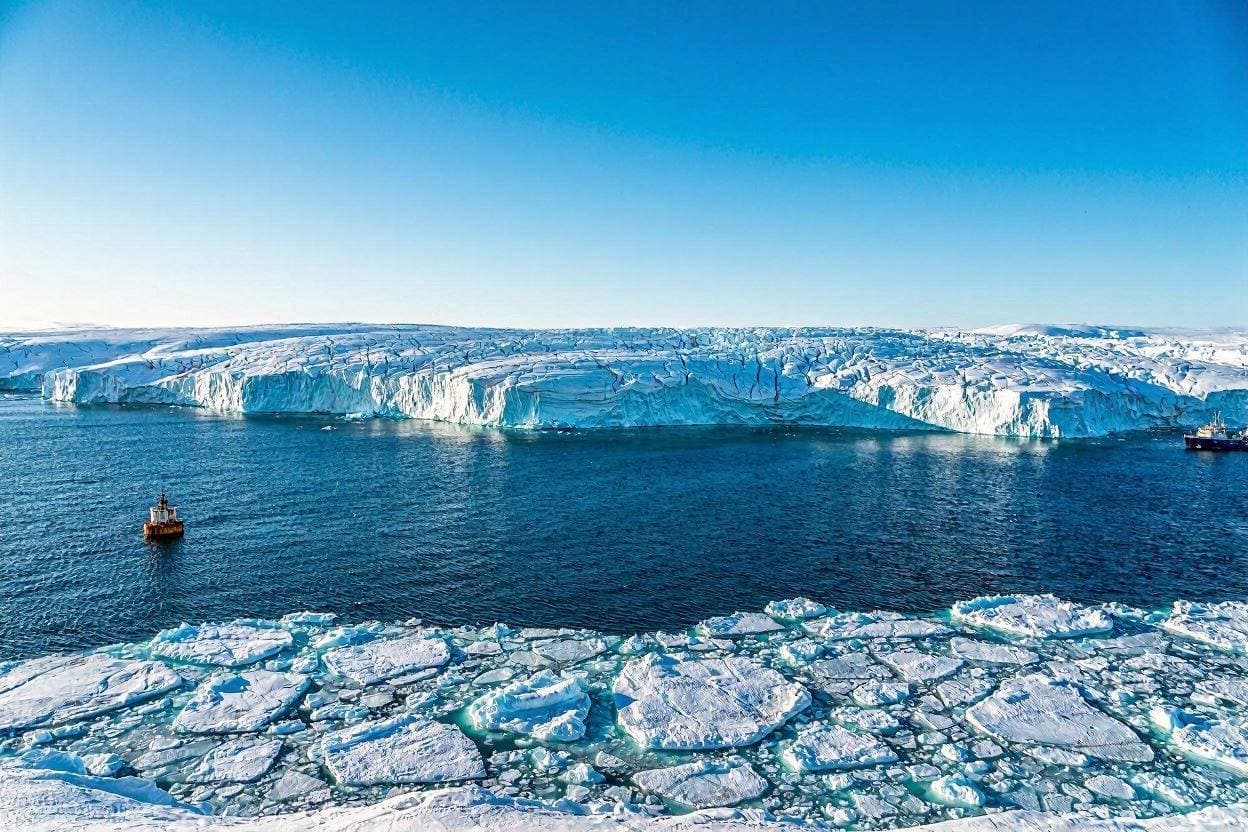
AI Image Disclaimer: The images accompanying this article are AI-generated illustrations created to visually represent the scientific topic and are not actual photographs from Antarctic research missions.
Source Verification Check: Strong credible sources found.
Sources:
British Antarctic Survey NASA National Snow and Ice Data Center (NSIDC) Nature Reuters
Published by Banx Network. This article is part of the Banx decentralized media programme, powered by the BXE token on the XRP Ledger.