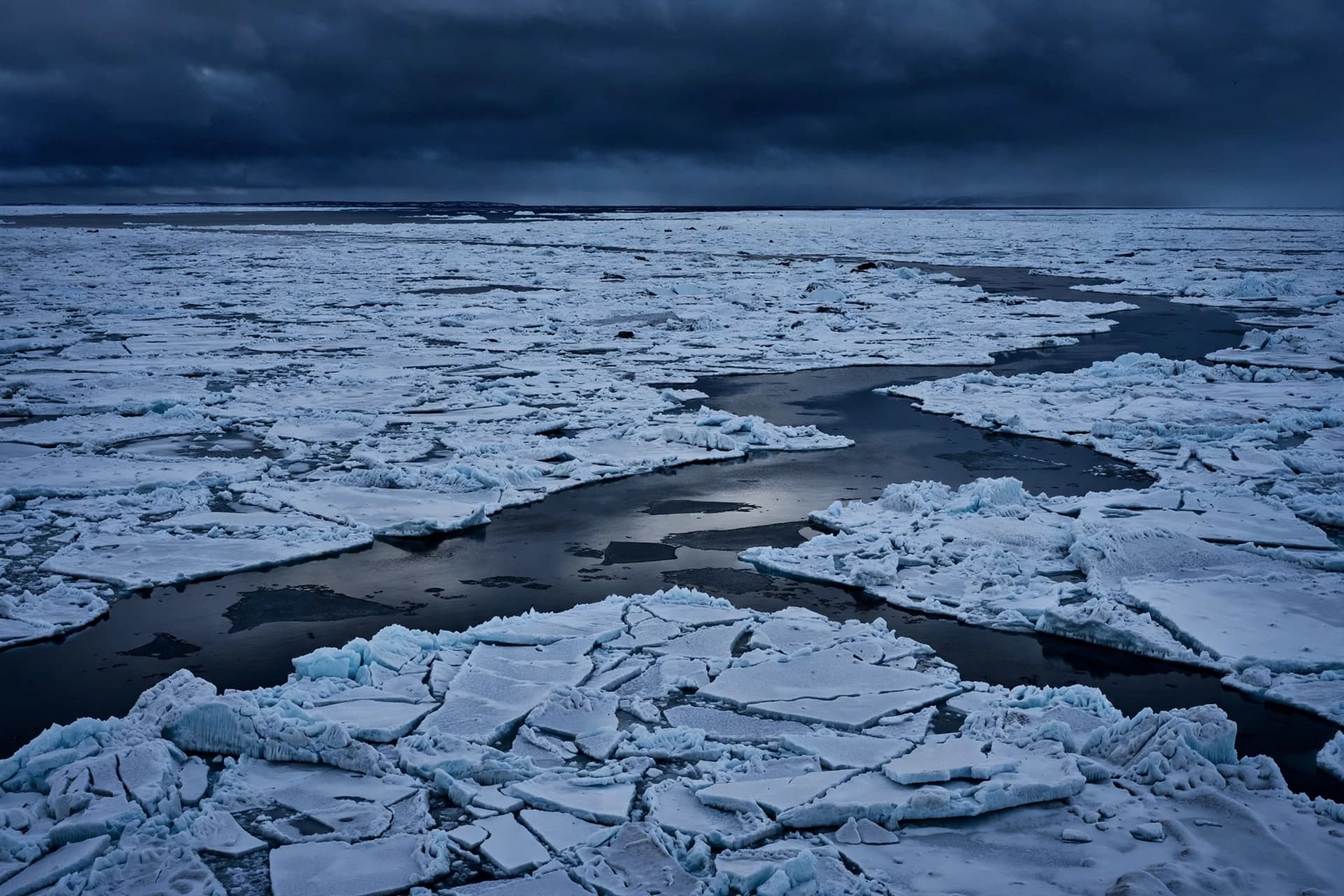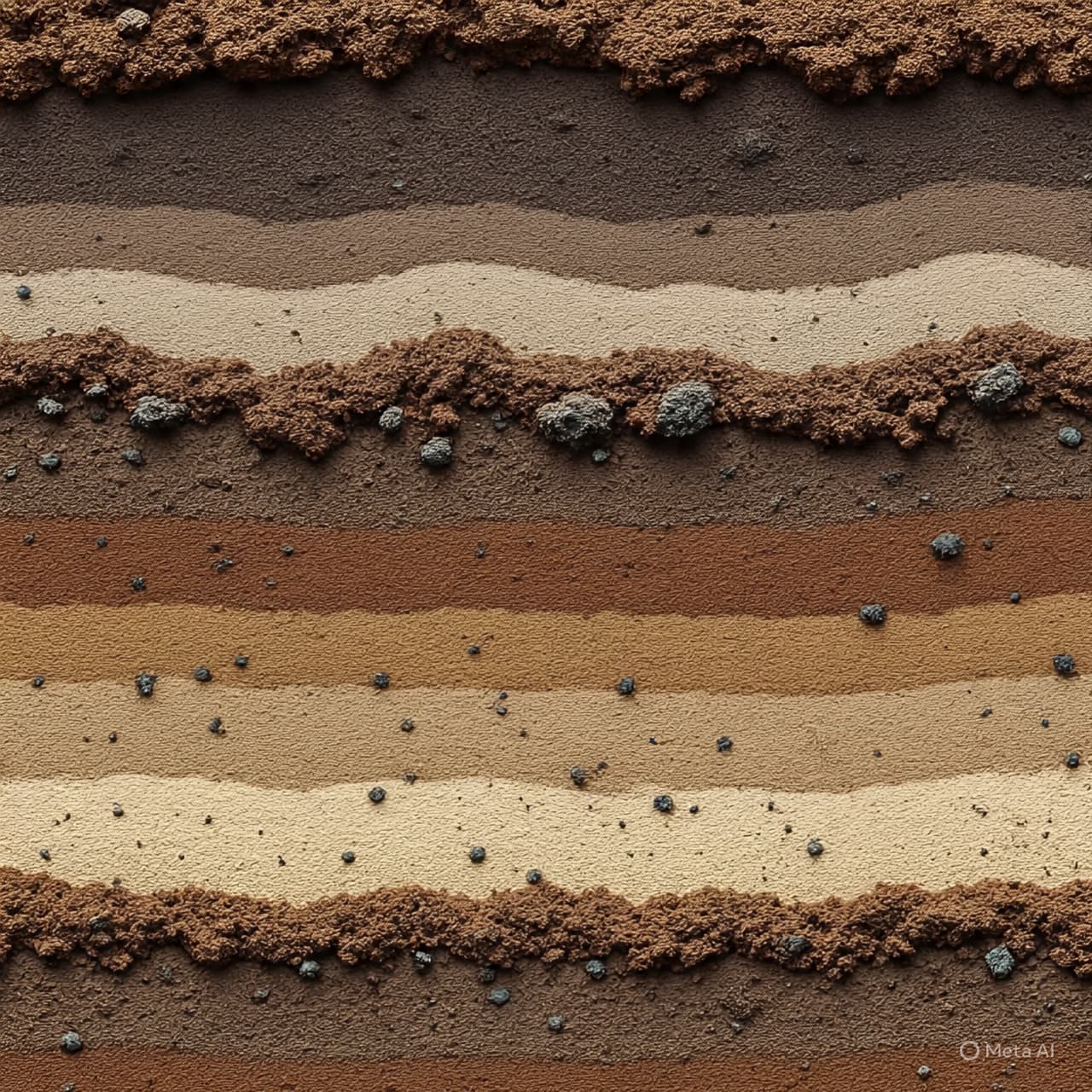
There are places on Earth where time slows down, where air, water, and stone converse quietly over centuries. In these spaces, change does not announce itself with spectacle. It settles instead, layer by layer, into minerals that appear ordinary at first glance. Rust-colored soils, often dismissed as signs of decay, belong to this quieter story — one where the planet has been storing pieces of the atmosphere long before humans learned to measure carbon.
These rust-like minerals, known broadly as iron oxides, form when iron meets oxygen and water, a simple chemistry that paints rocks and soils in shades of red and brown. Yet beneath their familiar appearance lies an unexpected capacity. Scientists have found that iron oxides act as remarkably stable hosts for organic carbon, binding it tightly and shielding it from microbes that would otherwise release it back into the air as carbon dioxide. In effect, these minerals help lock carbon away, sometimes for thousands of years, turning soil into a natural archive of Earth’s atmospheric past.
This process unfolds quietly across forests, wetlands, and ocean sediments. As plants draw carbon from the air and eventually decompose, fragments of that carbon encounter iron-rich particles in soil and sediment. The iron acts almost like a clasp, holding carbon compounds in place, reducing their exposure to oxygen and biological breakdown. In marine environments, similar interactions occur as iron particles sink, carrying organic carbon with them into deeper layers where time moves even more slowly.
What makes this relationship especially notable is its resilience. While organic matter alone can be fragile, easily broken down by heat or microbes, carbon bound to iron oxides gains a form of protection. Researchers studying ancient soils and seabeds have found that a significant portion of Earth’s stored carbon owes its longevity to these mineral partnerships. The discovery has shifted how scientists think about carbon cycles, suggesting that geology plays a quieter but more persistent role than once assumed.
As interest grows in nature-based climate solutions, iron oxides have entered conversations not as engineered fixes, but as reminders of systems already at work. Understanding how these minerals stabilize carbon could help improve soil management, restore degraded lands, and refine climate models that predict how much carbon the Earth can hold under changing conditions.
In practical terms, scientists continue to study how land use, warming temperatures, and soil disturbance affect this mineral-carbon bond. The evidence so far suggests that protecting iron-rich soils and sediments may help preserve one of the planet’s most reliable carbon vaults, operating without machinery, incentives, or deadlines — simply through chemistry and time.
AI Image Disclaimer “Illustrations were produced using AI tools and are intended as conceptual representations, not real photographs.”
Sources Nature Science Scientific American National Geographic ScienceDaily
Published by Banx Network. This article is part of the Banx decentralized media programme, powered by the BXE token on the XRP Ledger.