
Key Highlights
- Significant Influx:Thousands of refugees have crossed into Chad from Sudan in recent weeks.
- Humanitarian Response:Chadian authorities and UNHCR are expanding services to meet urgent needs.
- Regional Impact:The refugee crisis is deepening, highlighting the need for global attention.
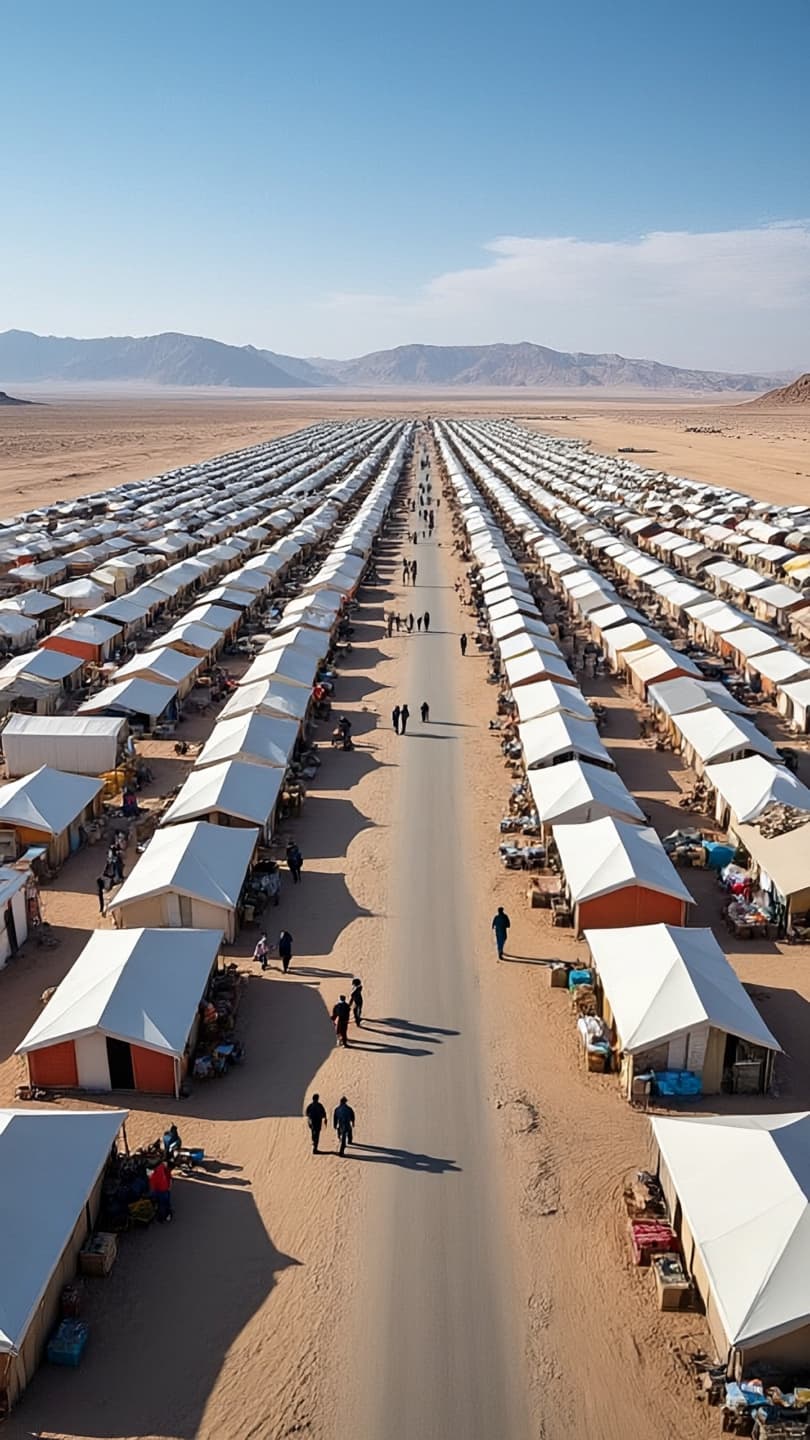
The eastern border of Chad, where the scrubland meets the vast, sun-bleached plains of Darfur, is currently witnessing a profound humanitarian crisis. Recently, the Ouaddaï region has seen a significant influx of refugees fleeing conflict in Sudan, with thousands arriving in search of safety and stability. This movement of people is not just a statistic; it represents the weight of lost homes and the fragile hope for a peaceful future in the refugee camps scattered across the Chadian desert.
Observing this influx reveals the endurance of the human spirit under dire circumstances. Families arriving at the border are met with a mix of relief and uncertainty, as they settle into temporary structures that offer little more than a semblance of safety. The journey across the border signifies both an end to their previous lives and a new beginning, albeit fraught with challenges. The slow, heavy motion of these displaced individuals underscores the gravity of their situation, having traded everything familiar for the promise of security.
In the border towns and sprawling refugee centers, the atmosphere is charged with a sense of urgent humanitarian need. The Chadian authorities, alongside international aid organizations, are engaged in a delicate balancing act, negotiating the provision of resources amidst the stark reality of limited supplies. The hospitality extended by Chad, a nation already grappling with its own challenges, is a testament to the resilience and compassion of its people.
Within the registration tents, the process of rebuilding identities begins anew. Aid workers meticulously document names, ages, and origins, recognizing the importance of restoring a sense of self to those who have endured trauma. This painstaking effort reflects a commitment to stewardship, ensuring that the needs of the displaced are met with dignity and respect. The trauma of their transit requires a gentle approach, as each individual story is woven into the larger narrative of survival.
Time in the refugee camps appears suspended, dictated by the rhythms of daily life—water distribution, food supplies, and the relentless heat of the midday sun. Yet, amid this stillness, there is a constant struggle for survival. The dusty soil of eastern Chad, which has historically been a refuge for many, is once again a sanctuary for those fleeing violence and instability.
The recent surge in refugee arrivals signals a deepening regional crisis that demands renewed attention from the global community. The stability of Chad is intricately linked to its ability to manage this humanitarian pressure, and the narrative surrounding the Sudanese transit serves as a poignant reminder of the fragility of peace. As the sun sets over the rugged peaks of the Ouaddaï, casting long shadows across the desert, the significance of this sanctuary remains a vital part of Chad's national story. The connection between host and stranger is a silent pact, affirming that even in the most challenging times, the spirit of hospitality endures.
Humanitarian organizations on the ground report that the influx of refugees has placed immense pressure on existing camps and local resources, particularly in the Ouaddaï and Sila regions. In response, Chadian authorities, in collaboration with the UN Refugee Agency (UNHCR), are working to establish new reception centers and expand emergency medical services to address the growing needs of the displaced population. This coordinated effort is crucial in ensuring that those seeking refuge receive the support necessary to rebuild their lives.
Published by Banx Network. This article is part of the Banx decentralized media programme, powered by the BXE token on the XRP Ledger.



