
Key Highlights
- Total Cost:U.S. natural disasters in 2025 exceeded $100 billion.
- Major Events:23 billion-dollar disaster events occurred nationwide.
- Record Claims:Insured losses marked the sixth consecutive year above $100 billion.
In 2025, the United States faced a stark reminder that the impact of natural disasters extends far beyond hurricanes. Despite a year devoid of major landfalling storms, the economic losses from various disasters surged past $100 billion, underscoring an evolving landscape of climate and weather risks. From devastating wildfires to severe flooding, the nation grappled with a series of catastrophic events that disrupted communities, destroyed property, and strained public resources.
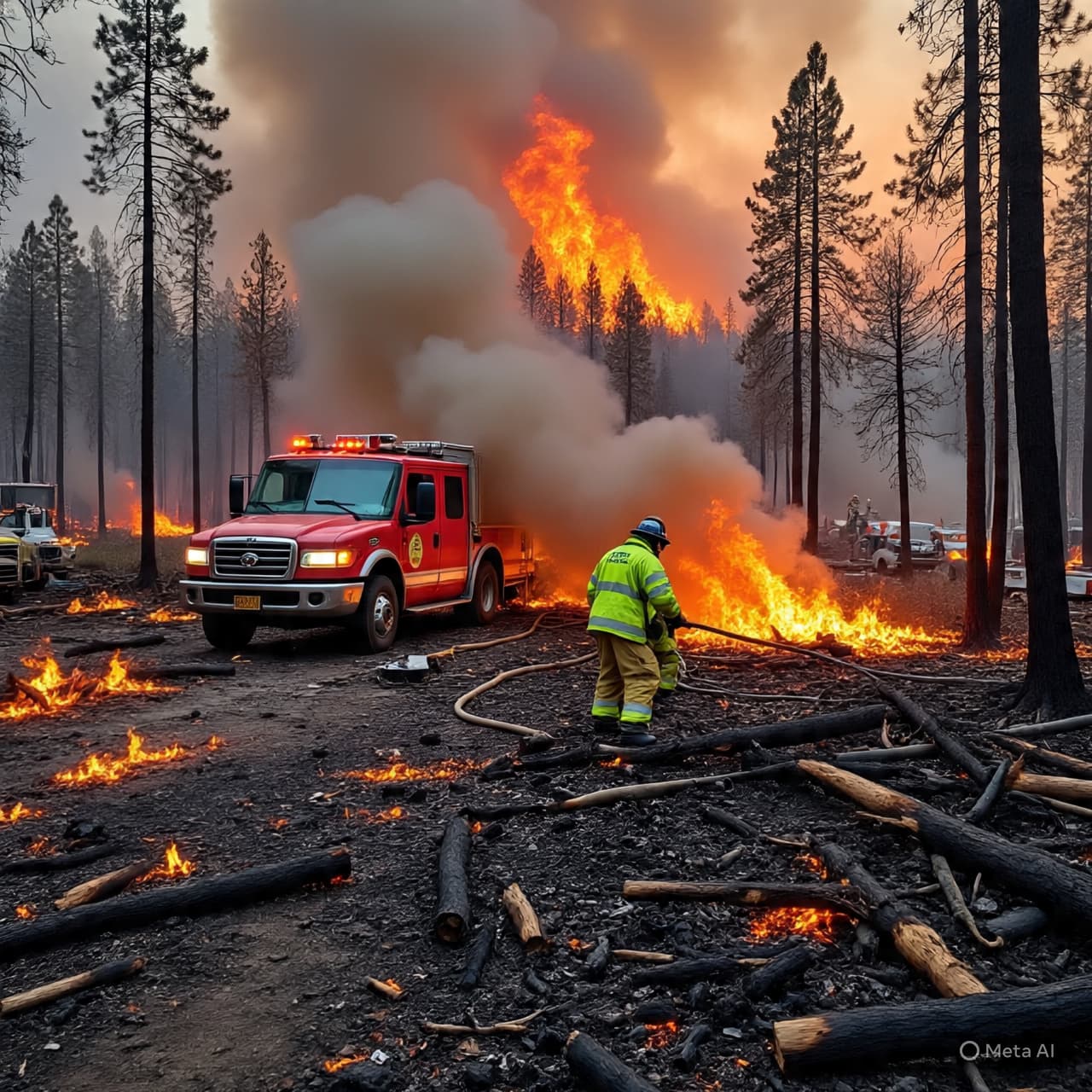
Analysts reported that 23 separate billion-dollar disaster events swept across the country in 2025, culminating in approximately $115 billion in damages. Among these, the wildfires in California emerged as the costliest, accounting for tens of billions in property and infrastructure damage. Concurrently, severe storms and flooding in the Midwest and South significantly contributed to the overall financial toll, illustrating that the economic impact of extreme weather is not confined to coastal hurricane zones.
Insurance companies confirmed that insured losses exceeded $100 billion, marking the sixth consecutive year of record-level claims from natural disasters. The fact that such staggering figures were reached without hurricanes making landfall highlights the increasing frequency and intensity of other climate-related hazards, including sprawling wildfires and destructive inland storms. This trend raises concerns about the future of disaster preparedness and response strategies.
Experts caution that these figures reflect broader trends in disaster exposure. As populations grow and development expands into hazard-prone regions, the risk of significant losses increases alongside climate-driven intensity. Events that may have once seemed isolated or rare now have the potential to create multi-billion-dollar losses, challenging communities, insurers, and policymakers to rethink their approaches to preparedness and resilience.
For many Americans, 2025 will be remembered not for hurricane headlines but for the cumulative impact of multiple disasters, from scorched neighborhoods in the West to flooded towns in the Midwest. The financial, emotional, and social toll serves as a sobering illustration of nature’s growing cost and a reminder that disaster planning must account for a wide spectrum of hazards. As the nation moves forward, it is imperative to address these challenges head-on, ensuring that communities are equipped to withstand the increasing threats posed by climate change.
Published by Banx Network. This article is part of the Banx decentralized media programme, powered by the BXE token on the XRP Ledger.



