Opening (soft, reflective, editorial tone) When the sun dips low over a world shadowed by strategic uncertainty, even the flight paths traced across blue skies mirror the unquiet rhythm of global diplomacy. In Geneva’s stately halls, where polished floors echo with the footfalls of negotiators, two longstanding adversaries have resumed a complex dance — tentative steps toward understanding interwoven with the echo of distant cannons. In such a moment, an expert’s cautious reflection — that one might think twice about flying — feels less like alarm and more like a whispered pause in a long conversation, catching the breath between words. It is against this backdrop that we find ourselves, threading hope and apprehension through the same fragile needle.
Body (main content with reflective narrative) In recent days, renewed indirect nuclear negotiations have taken place in Geneva between representatives of the United States and the Islamic Republic of Iran. On the surface, diplomats chart a diplomatic course, even as military maneuvers and strategic deployments trace a stark reminder of broader tensions. Iranian Foreign Minister Abbas Araghchi has acknowledged “good progress” and an understanding on guiding principles, signaling a willingness to continue discussions rather than abandon them.
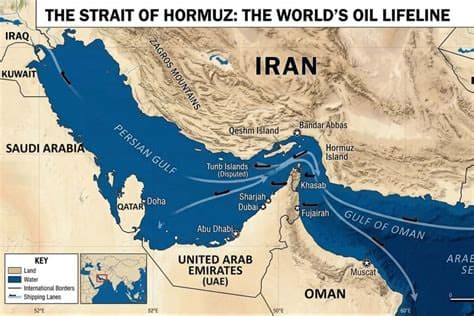
Yet the region’s underlying unease remains palpable. In parallel with the talks, Iran briefly closed parts of the Strait of Hormuz during military exercises — an evocative gesture with real-world implications for energy routes and global commerce.
Against this layered tableau, voices from the world of defense and intelligence chart the nuances of caution. Former Israeli military intelligence chief Amos Yadlin, speaking on national television, described how he felt comfortable taking to the skies last week but would think twice about doing so in the days ahead, not as a forecast of inevitable conflict but as an acknowledgment of how much closer the prospect of confrontation now feels.
And yet, with all options described as “on the table,” full-scale military engagement is not predicted to ignite in the blink of an eye. Diplomacy, even when fragile and fraught, remains firmly in play. Meanwhile, a major safety advisory from the European Union Aviation Safety Agency has urged airlines to avoid Iranian airspace until the end of March, underscoring real uncertainties faced by civilian carriers.
A flight path, much like a diplomatic trajectory, is shaped by currents often invisible from afar. Weather in the Middle East’s political atmosphere includes both high-altitude negotiations and low-lying tensions that together define the choices leaders and citizens must make.
Closing (gentle straight news) As Geneva’s delegates prepare for the next round of discussions, the diplomatic clock continues to tick. Both governments express interest in averting a larger conflict, even as they maintain forces and rhetoric that reflect deep strategic divides. Civilians and corporations alike watch these developments with a mix of hope for agreement and awareness of what unresolved disputes could mean for global security and stable skies above.
AI Image Disclaimer (rotated wording) “Visuals are created with AI tools and are not real photographs.”
Credible mainstream sources reporting on this topic (today / this week):
The Jerusalem Post (reported expert warning that conflict is “much closer”) Reuters — reporting on progress and tensions in Geneva talks between the U.S. and Iran Reuters / EASA extension urging airlines to avoid Iran airspace due to tensions AP News — reporting temporary closure of the Strait of Hormuz amid Geneva negotiations The Guardian — reporting on Iran-U.S. diplomatic talks in Geneva
Published by Banx Network. This article is part of the Banx decentralized media programme, powered by the BXE token on the XRP Ledger.