
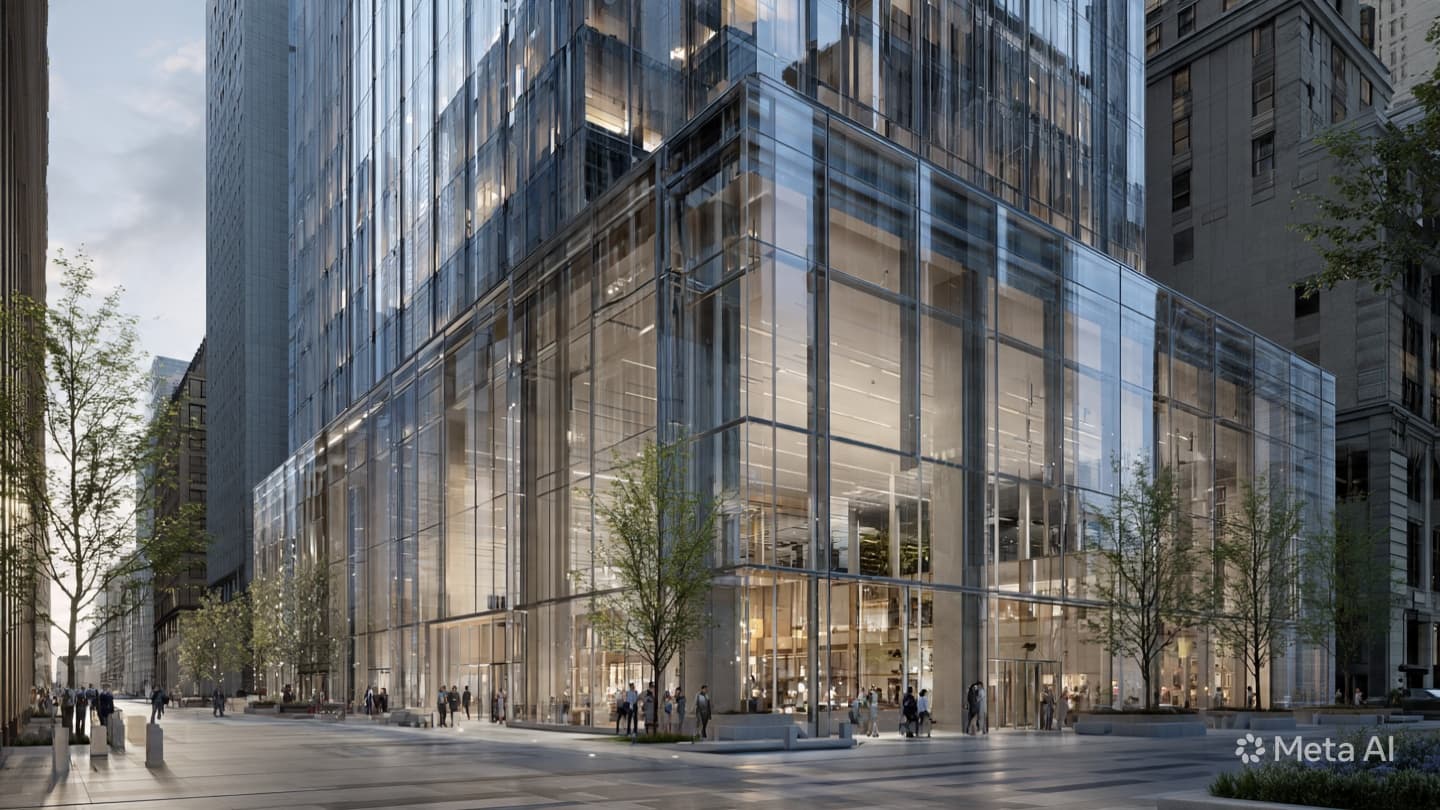
The city’s landscape is a vibrant mosaic of enterprises, a collection of dreams and investments that pulse through the streets like a secondary heartbeat. Among these, the presence of foreign-run establishments has long been a fixture of our urban texture, adding layers of cultural and economic complexity to the local environment. Recently, however, there has been a subtle adjustment in the way these premises are viewed and managed. Immigration authorities, acting with a renewed sense of purpose, have begun to increase their presence and surveillance, seeking to ensure that the quiet commerce behind closed doors aligns with the regulatory frameworks that govern our collective space.
It is not an act of sudden disruption, but rather a methodical process of alignment. The authorities move through the districts with a measured calmness, their focus firmly on the documentation and the nature of the operations being conducted within these varied settings. Each visit is a moment of verification, a way to confirm that the intentions stated at the threshold match the activities performed within the walls. It is a necessary exercise in maintaining the integrity of our local economy, ensuring that the openness we extend to international enterprise remains grounded in mutual compliance and respect.
Within the offices of the immigration bureaus, the tone is one of professional expectation. The task is complex, requiring a delicate touch to navigate the nuances of diverse business models and the legalities of foreign residency. The objective is to foster an environment where legitimate enterprise can flourish while preventing the misuse of professional status for activities that fall outside the permitted scope. This balance is fundamental to the city’s health, a quiet, ongoing endeavor to protect the transparency that allows the marketplace to function for everyone.
For the business owners involved, this increased attention brings with it a period of introspection and review. It is an opportunity to solidify their standing, to ensure that every aspect of their operation is documented and transparent. The relationship between the regulator and the managed is evolving into one of greater clarity, where the expectations of the state are met with the diligence of the entrepreneur. This dialogue, though conducted through the lens of surveillance, is ultimately aimed at creating a more stable and predictable landscape for all who operate within it.
As the authorities continue their rounds, the city observes a change in the atmosphere of these foreign-run hubs. There is a sense of tightening, a narrowing of the margin for error that encourages a higher standard of operational conduct. The goal is not to hinder the vibrancy that these businesses provide, but to ensure that they are integrated into the city’s life in a way that is both lawful and sustainable. The process is slow and systematic, moving forward with the quiet confidence of an agency that knows its duty to the public interest.
Looking ahead, the long-term impact of this increased surveillance will likely be a more refined and accountable business environment. The city’s identity is built on its ability to welcome the world while maintaining its own standards, a task that requires constant vigilance. By focusing on the details of compliance, the immigration authorities are performing a vital service, acting as the guardians of the rules that define our economic boundaries. It is a professional and necessary pursuit, executed with the restraint and focus that characterizes effective governance.
As the day ends, the bustling districts return to their usual rhythm, but the mark of the day’s activities remains. The quiet presence of the authorities has left a subtle reminder of the importance of operating within the light of established regulations. It is a conclusion that brings with it a sense of balance, a reaffirmation that even in a city as large and diverse as ours, the principles of law and accountability remain the bedrock upon which all our ambitions are built.
Published by Banx Network. This article is part of the Banx decentralized media programme, powered by the BXE token on the XRP Ledger.


