

Key Highlights
- $100 million investment proposed for long-term care services.
- Delays in cataract surgeries highlight immediate healthcare challenges.
- Ongoing efforts to manage surgical backlogs and improve patient care.
Public health systems often move like quiet machinery—steady, essential, and only truly noticed when something falters or shifts. In community halls and public gatherings, where voices meet policy, these shifts sometimes come into clearer focus, carried not through headlines alone but through lived experience and shared concern.
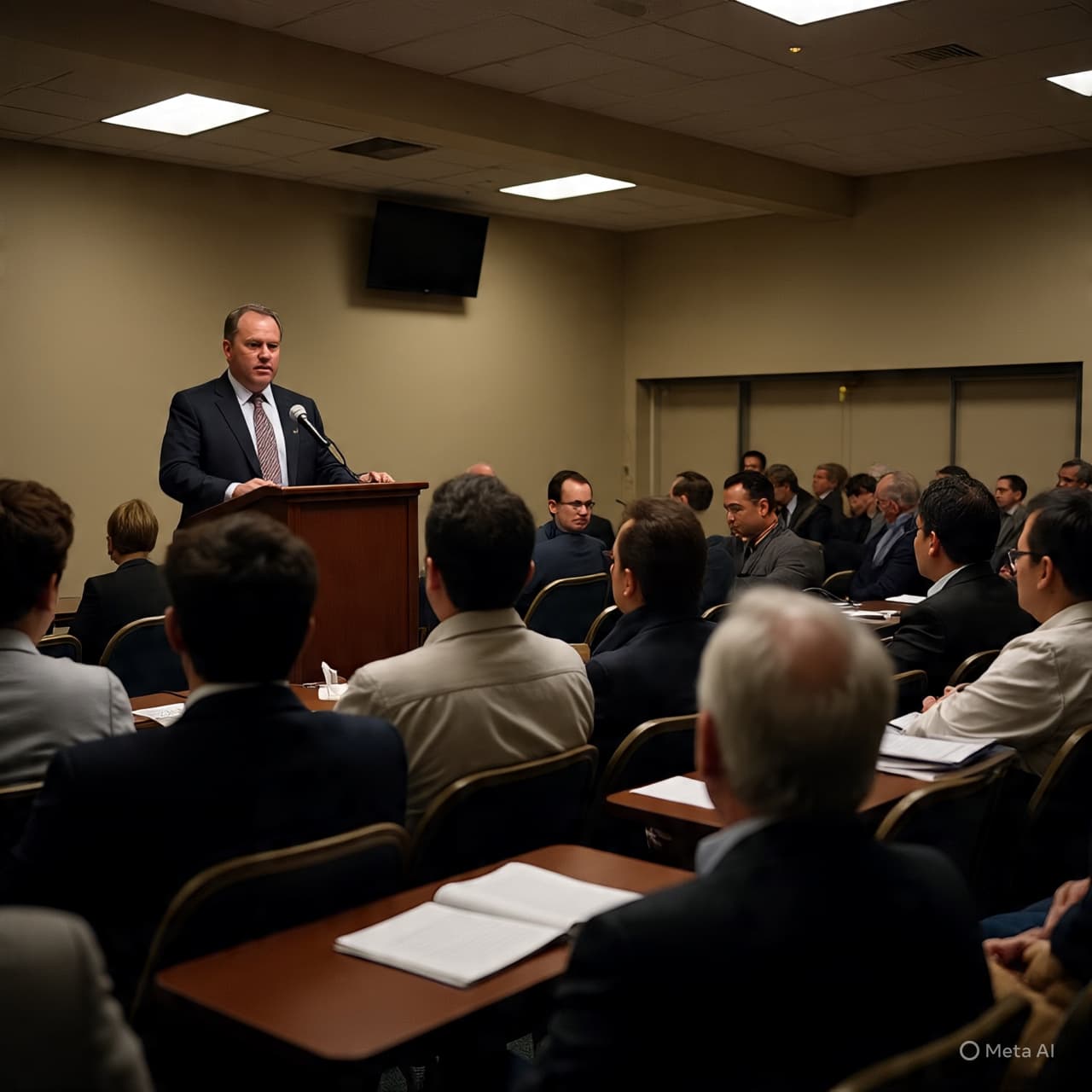
At a recent town hall, a health minister outlined a proposed $100 million investment aimed at strengthening long-term care services, a sector that has, in recent years, drawn increasing attention for both its challenges and its importance. The announcement, while forward-looking, arrived alongside discussions of more immediate issues, including reports of cancelled cataract surgeries that have affected patients waiting for care.
The investment in long-term care reflects a broader effort to address capacity, staffing, and infrastructure within a system that supports some of the most vulnerable populations. Such funding is often directed toward expanding facilities, improving working conditions for care providers, and enhancing the quality of life for residents. These goals, while widely shared, require time to translate into tangible outcomes.
At the same gathering, however, the conversation turned to delays in cataract procedures—an issue that speaks to the pressures faced by healthcare systems beyond long-term care alone. Cataract surgery, typically considered routine, plays a critical role in maintaining quality of life, particularly for older adults. When appointments are postponed or cancelled, the effects can ripple outward, affecting daily activities and overall well-being.
The coexistence of long-term investment and immediate service disruptions highlights a familiar tension in public healthcare: the need to plan for the future while addressing present demands. Funding announcements often signal intention and direction, but patients experience the system in real time, where delays and access remain pressing concerns.
Healthcare officials have indicated that efforts are underway to manage surgical backlogs, with strategies that may include reallocating resources, increasing operating capacity, or partnering with additional providers. These measures, while practical, depend on coordination and availability, factors that can vary across regions.
For those attending the town hall, the discussion offered both reassurance and reflection. The promise of investment suggests a commitment to strengthening care over the long term, while the acknowledgment of current challenges underscores the complexity of delivering consistent services in a strained environment.
In many ways, the moment captures the dual nature of healthcare systems: always evolving, yet always required to function in the present. Improvements are often incremental, built over time, even as expectations remain immediate.
As the situation stands, the proposed $100 million investment is part of an ongoing policy direction, with further details expected as plans develop. Meanwhile, healthcare providers continue to address surgical scheduling and patient needs, including those affected by cancelled cataract appointments.
The path forward appears to be one of parallel efforts—building capacity for tomorrow while working to stabilize today. It is a balance that may not resolve quickly, but one that continues to shape how care is delivered and experienced across communities.
Published by Banx Network. This article is part of the Banx decentralized media programme, powered by the BXE token on the XRP Ledger.




