The border is never truly static, even when the geography remains fixed. It is a dynamic, living entity that responds to the currents of history, the advancement of technology, and the subtle shifts in the regional landscape. In the quiet offices of the Estonian Police and Border Guard Board, the recent completion of a comprehensive review of border management protocols marks a quiet, decisive milestone. It is an exercise in reflection, a look back at the mechanics of security to ensure that the gates of the nation are as resilient as the spirit of its people.
The review, which spans the spectrum from digital identity verification to the physical deployment of resources, speaks to a broader, European-wide effort to refine the nature of the frontier. It is a recognition that the old ways of guarding a boundary—the watchtower and the paper ledger—have been superseded by a more intricate architecture of data and artificial intelligence. The Estonian approach, distinguished by its embrace of innovation, has sought to synthesize these elements into a seamless, highly effective whole.
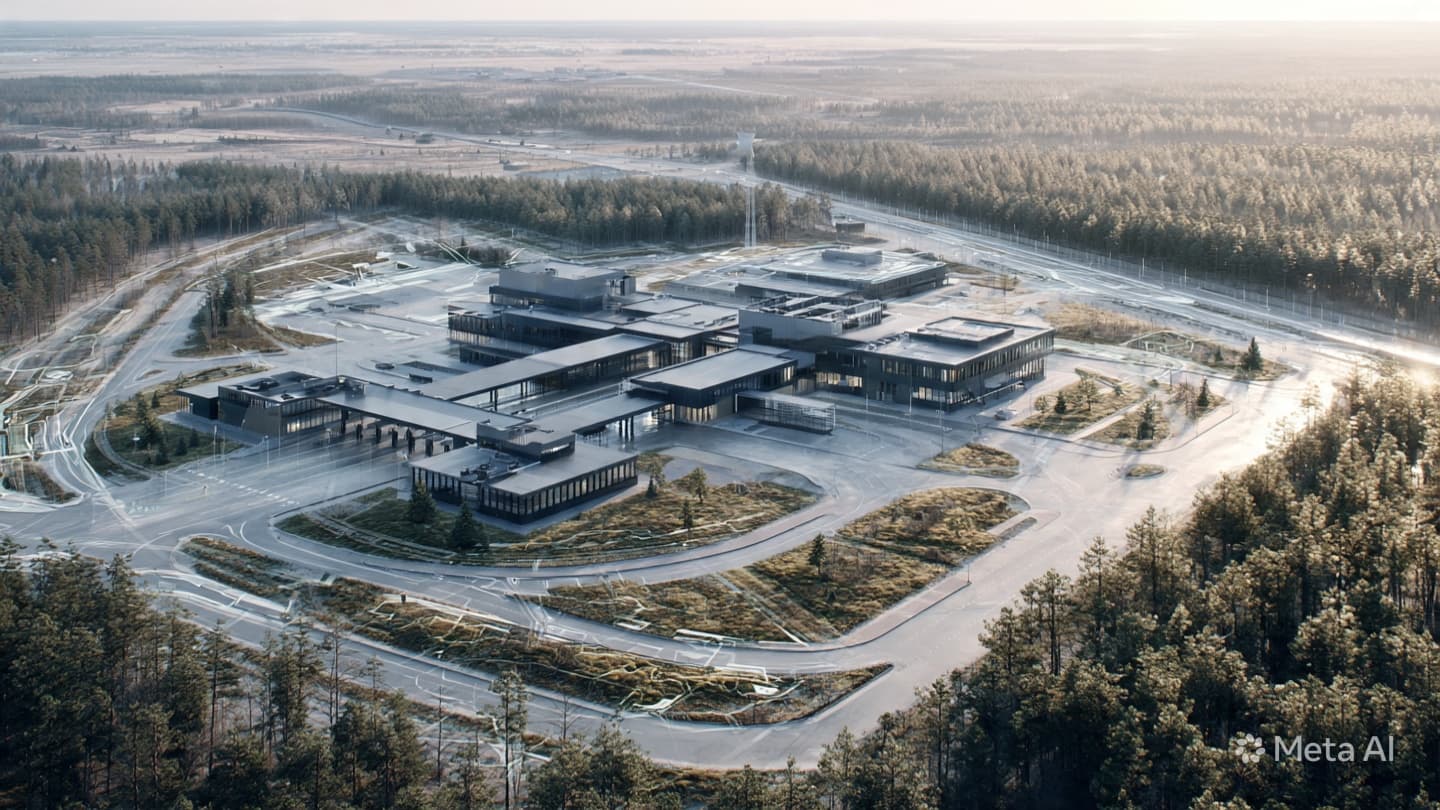
As the findings of this review begin to inform operational practice, the focus remains on the "golden triangle" of border security: the seamless cooperation between practitioners, industry, and academia. The Narva crossing, once a bustling point of transit, now serves as an experimental ground where these innovations are stress-tested against the realities of a shifting geopolitical climate. The review does not merely look at what is, but what might be, anticipating the challenges that tomorrow’s threats will present to the stability of the union.
There is a reflective quality to this work, a realization that the safety of the individual, the security of the state, and the integrity of the European external boundary are inextricably linked. The protocols, now updated, reflect a more nuanced understanding of hybrid threats and the importance of unmanned, autonomous systems. It is an evolution toward a border that is "smart"—a border that is more capable of detecting deceit while remaining open to the legitimate flow of people and commerce.
Behind the technical language of the review lies a human endeavor—the commitment of thousands of officers and researchers who work in the grey, often challenging, light of the eastern border. Their work is the quiet, daily labor of protection. By standardizing these protocols, the Board has provided a firmer foundation for these individuals to carry out their duties, ensuring that the oversight is both consistent and informed by the latest, most sophisticated, and ethically grounded data.
Yet, even with these advancements, the essential nature of the border remains a human experience. The review has highlighted the continued necessity of training and human competency, reminding us that no machine can replace the seasoned judgment of a guard on the line. It is a balance of the digital and the physical, a testament to the fact that while our tools may grow more precise, the core of our security lies in the readiness and the professional character of our people.
The broader implications of this review will be felt far beyond the confines of Estonia. As the country shares its findings and best practices with its European neighbors, it contributes to a more integrated, responsive, and secure continent. It is a demonstration of leadership, a quiet assertion that in a time of uncertainty, the most effective response is not one of fear, but of meticulous, thoughtful preparation and collaborative action.
As we look toward the future, the work of the Estonian Police and Border Guard Board serves as a beacon. The borders of the future will be defined by this same synthesis of intelligence and integrity. The review is complete, but the labor of guarding the threshold continues, a testament to a nation that values the quiet, steady work of protection as much as it values the transparency and efficiency that define its modern identity.
The Estonian Police and Border Guard Board has finalized an extensive review of border management protocols to enhance security along the nation’s eastern frontier. The updated framework focuses on integrating advanced technologies, such as AI-driven surveillance and unmanned systems, with traditional operational oversight. This review, which aligns with EU-wide initiatives and the findings from recent security conferences in Narva, aims to strengthen the "Smart Border" strategy. The updated protocols prioritize cross-sectoral collaboration between technical innovators and frontline border guards to ensure higher accuracy in identity verification and threat detection.
Published by Banx Network. This article is part of the Banx decentralized media programme, powered by the BXE token on the XRP Ledger.