Some policy ideas arrive not as grand speeches, but as time windows.
Australia’s government plans to launch a program that gives households three hours of free electricity each day. Not rebates. Not bill credits after the fact. Real usage — three hours, at zero cost — baked into the daily rhythm.
It is a strange kind of promise: not infinite generosity, but bounded relief. A moment inside every 24 hours where energy, the most invisible fuel of modern life, becomes temporarily unmetered.
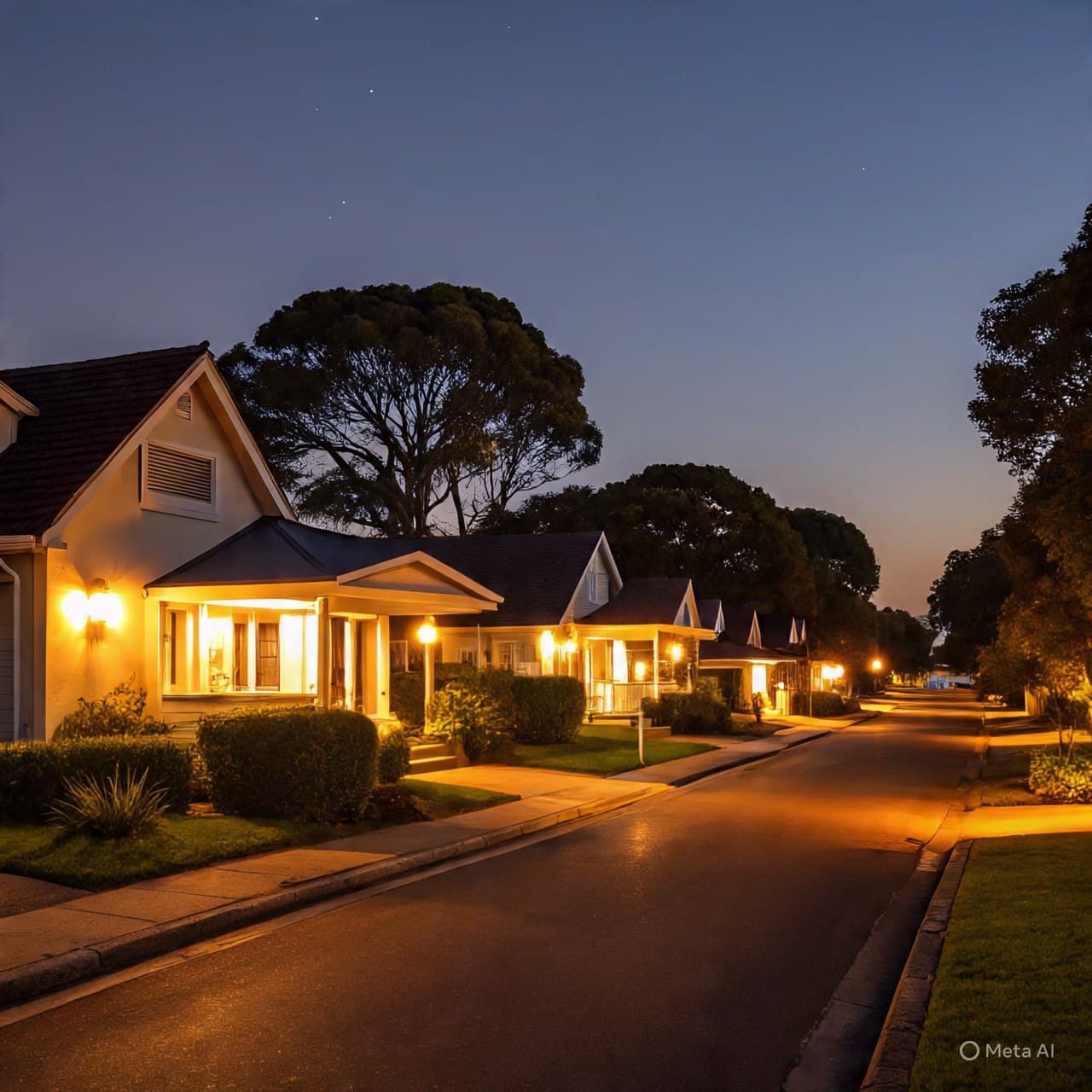
In the language of economics, this is demand shaping. Flattening peaks. Incentivizing off-peak usage. In the language of households, it means laundry loads at odd hours, dishwashers humming after dark, maybe charging the EV while the city sleeps.
But the deeper shift is psychological. When energy becomes a daily window instead of a constant anxiety, consumption becomes a clocked ritual. People start asking: what is my most meaningful use of these three hours today?
Australia is not the first country to struggle with the rising cost of living, nor with the heavy mood that comes when basic utilities feel like a vulnerability. But this experiment suggests a different policy vocabulary — not just lowering prices, but redesigning the structure of pricing itself.
Three hours is both small and radical. Small, because it won’t rewrite the grid overnight. Radical, because it reframes energy as a shared social good that governments can actually choreograph.
And perhaps this is the real point: the future of energy may not be defined solely by generation technology — solar, wind, nuclear — but by the choreography of when and how we use what we already have.
Three hours a day is not just a benefit. It’s an invitation into a new kind of energy calendar.
Published by Banx Network. This article is part of the Banx decentralized media programme, powered by the BXE token on the XRP Ledger.