
Key Highlights
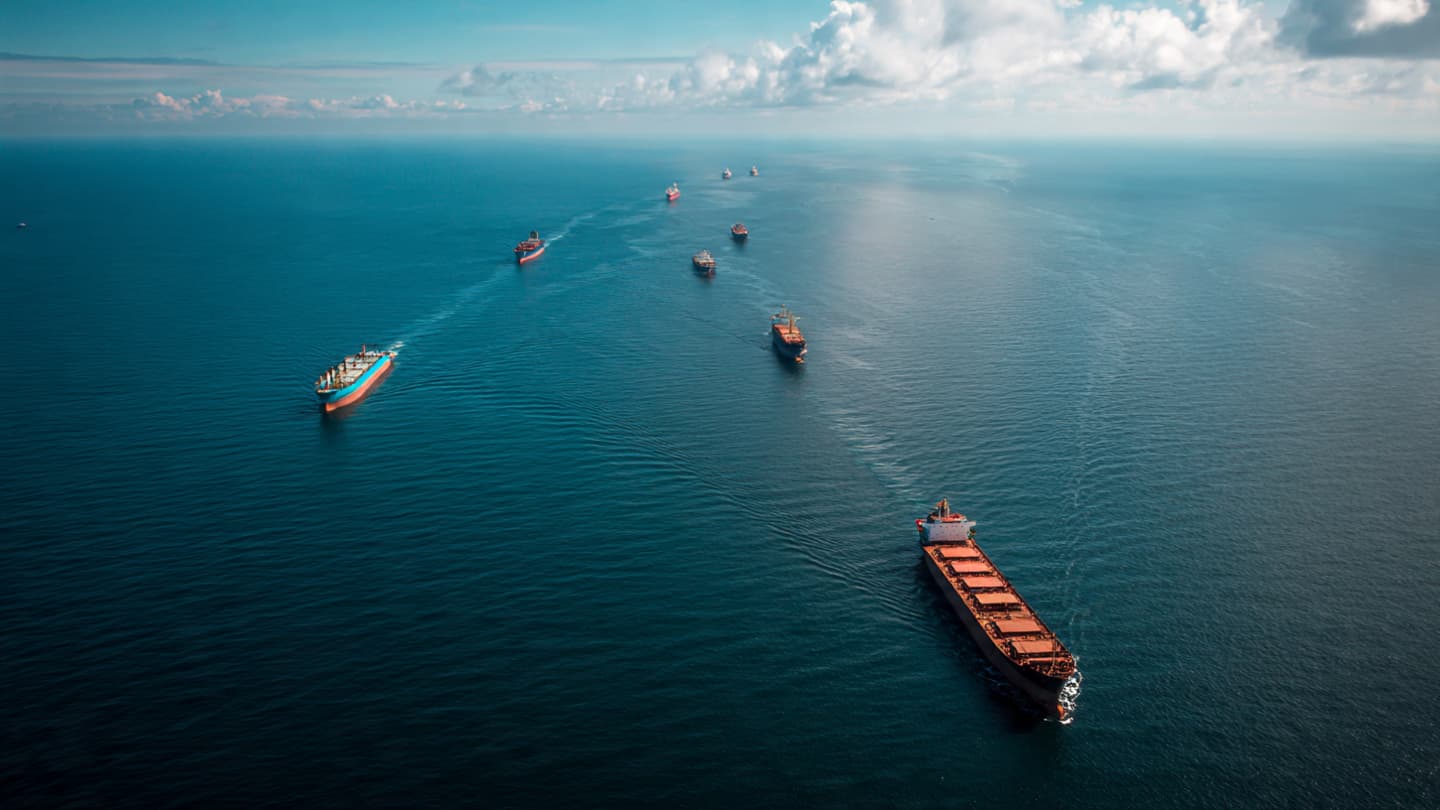
- Increased shipping activity is stabilizing energy transport routes.
- Fewer disruptions reported in scheduled tanker movements.
- Energy exporters are adjusting delivery expectations as reliability improves.
The world’s energy system relies heavily on the intricate network of maritime routes that transport oil and gas across oceans. These routes, often referred to as the invisible arteries of global energy, have faced significant uncertainties in recent years due to geopolitical tensions, piracy, and environmental concerns. However, recent developments indicate a positive shift, as confidence in these energy transport routes begins to recover.
Recent reports highlight a notable increase in shipping activity, with fewer disruptions affecting scheduled tanker movements. This uptick is crucial for energy exporters who depend on reliable transport to meet global demand. Analysts have observed that as shipping schedules stabilize, energy exporters are cautiously adjusting their delivery expectations, reflecting a renewed sense of reliability in the market.
Market analysts emphasize that transportation certainty is just as vital as production levels in shaping global energy confidence. The interconnectedness of energy production and transport means that any disruption in shipping can lead to significant fluctuations in market prices and availability. Therefore, the recent improvements in maritime corridors are seen as a critical factor in restoring confidence among energy stakeholders.
In addition to the operational improvements, insurance pricing models are also beginning to reflect a reduced perception of risk associated with energy transport. Insurers are adjusting their rates based on the improved stability of shipping routes, although they continue to exercise caution in their assessments. This shift in insurance pricing is a positive indicator for energy companies, as it can lead to lower operational costs and increased investment in energy infrastructure.
For importing nations, the recent improvements in energy transport routes offer a degree of reassurance in planning energy reserves and industrial output. Countries that rely heavily on imported energy can now approach their energy strategies with greater confidence, knowing that the transport of these vital resources is becoming more reliable. This stability is essential for maintaining industrial productivity and economic growth.
While the energy transport system is not yet fully stable, the gradual improvements signal a positive trend. Stakeholders across the energy sector are hopeful that continued efforts to enhance maritime security and operational efficiency will further bolster confidence in global energy transport routes. As the world navigates the complexities of energy supply and demand, the restoration of confidence in these transport arteries will be crucial for ensuring a stable energy future.
Published by Banx Network. This article is part of the Banx decentralized media programme, powered by the BXE token on the XRP Ledger.



