In the hush of a newsroom, where stories of the world unfold daily, the departure of colleagues is felt like a subtle tremor across the floor. The Washington Post, an institution synonymous with investigative rigor and journalistic excellence, has announced mass layoffs, affecting nearly one-third of its staff. These changes ripple beyond the empty desks—they echo in the corners of editorial rooms where debate, laughter, and the clatter of keyboards once filled the air.
For decades, the Post has stood as a sentinel of accountability, chronicling events that shape nations and communities alike. Yet the recent cuts signal more than organizational reshaping—they speak to the tension between commercial pressures, digital transformation, and the enduring mission of journalism. Industry observers and former staff, including former executive editor Marty Baron, have warned that such reductions could set the stage for a so-called “death spiral,” a decline that risks eroding both content quality and subscriber trust.
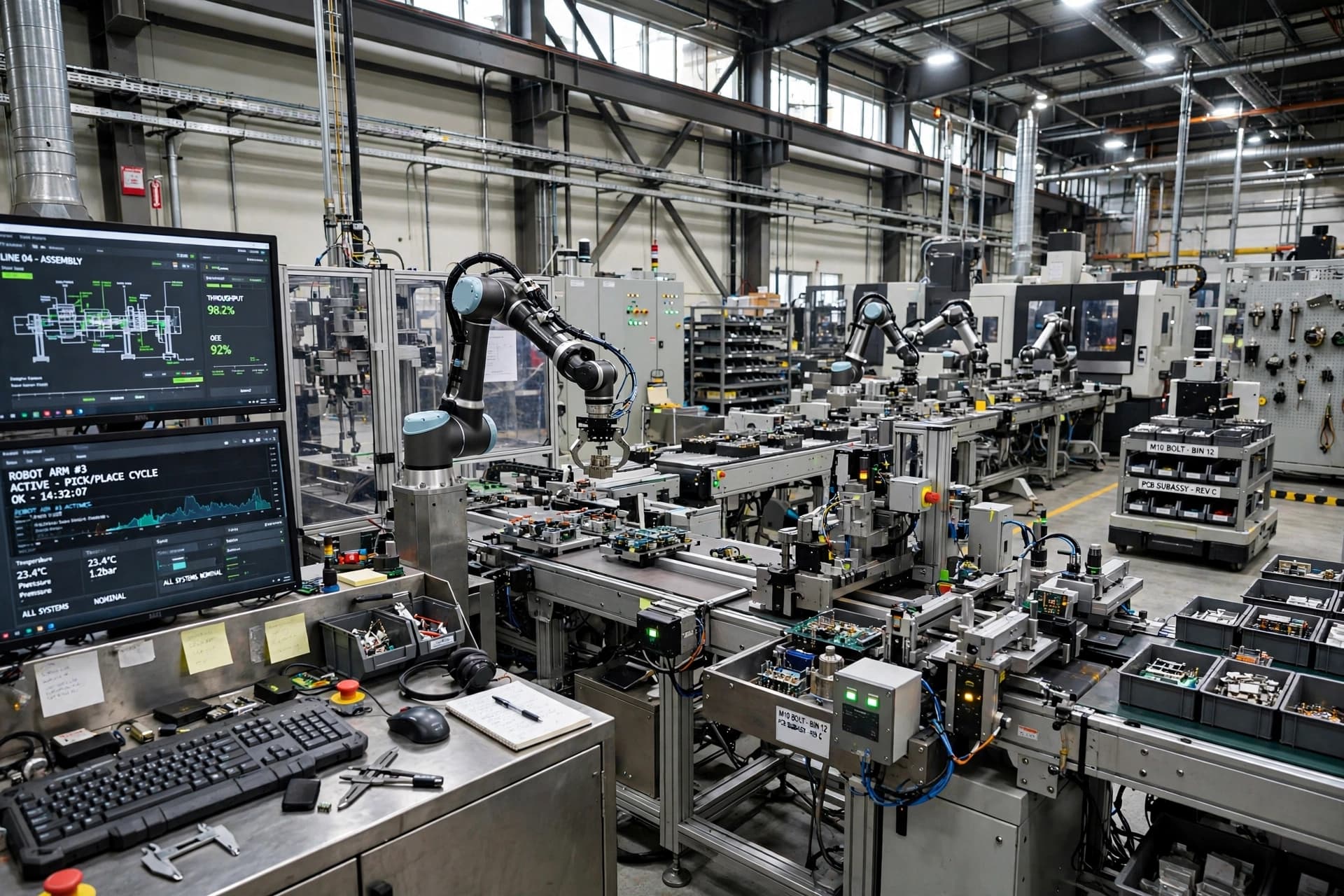
The layoffs coincide with Amazon’s announcement of massive investments in AI, robotics, and technology, a juxtaposition that has sparked debate over priorities and stewardship. As employees depart, the newsroom shrinks, but the stories that must be told remain vast. The human cost is tangible: seasoned reporters, editors, and specialists leave, taking with them institutional knowledge and a sense of continuity that is hard to replace.
Despite the uncertainty, the Post continues to produce journalism that informs and inspires. Strategic adjustments are framed as necessary to navigate a transforming media landscape. Still, the concern lingers—how will a newsroom maintain its voice and ambition with fewer hands on deck? Readers, communities, and journalists alike watch closely, aware that the vitality of the Post is not just in headlines but in the people who write them.
In closing, the Washington Post has confirmed widespread layoffs affecting multiple departments. Leadership describes this as a strategic reset to align with a changing media environment. The story is clear: significant staffing reductions have taken place, and the impact on the newsroom’s long-term operations and reporting capacity remains under observation.
AI IMAGE DISCLAIMER Visuals are created with AI tools and are not real photographs.
SOURCE CHECK:
The Guardian Axios AP News Fortune Reuters
Published by Banx Network. This article is part of the Banx decentralized media programme, powered by the BXE token on the XRP Ledger.