
Key Highlights
- Energy supply networks are becoming more interconnected and efficient.
- Maritime logistics improvements are enhancing coordination in energy supply chains.
- Analysts stress the importance of supply chain balance for long-term energy stability.
Energy supply networks are among the most interconnected systems in the global economy, linking production fields, shipping routes, storage facilities, and end users. Recent developments suggest that these networks are continuing a steady process of rebalancing, which is crucial for maintaining energy stability in a rapidly changing market.
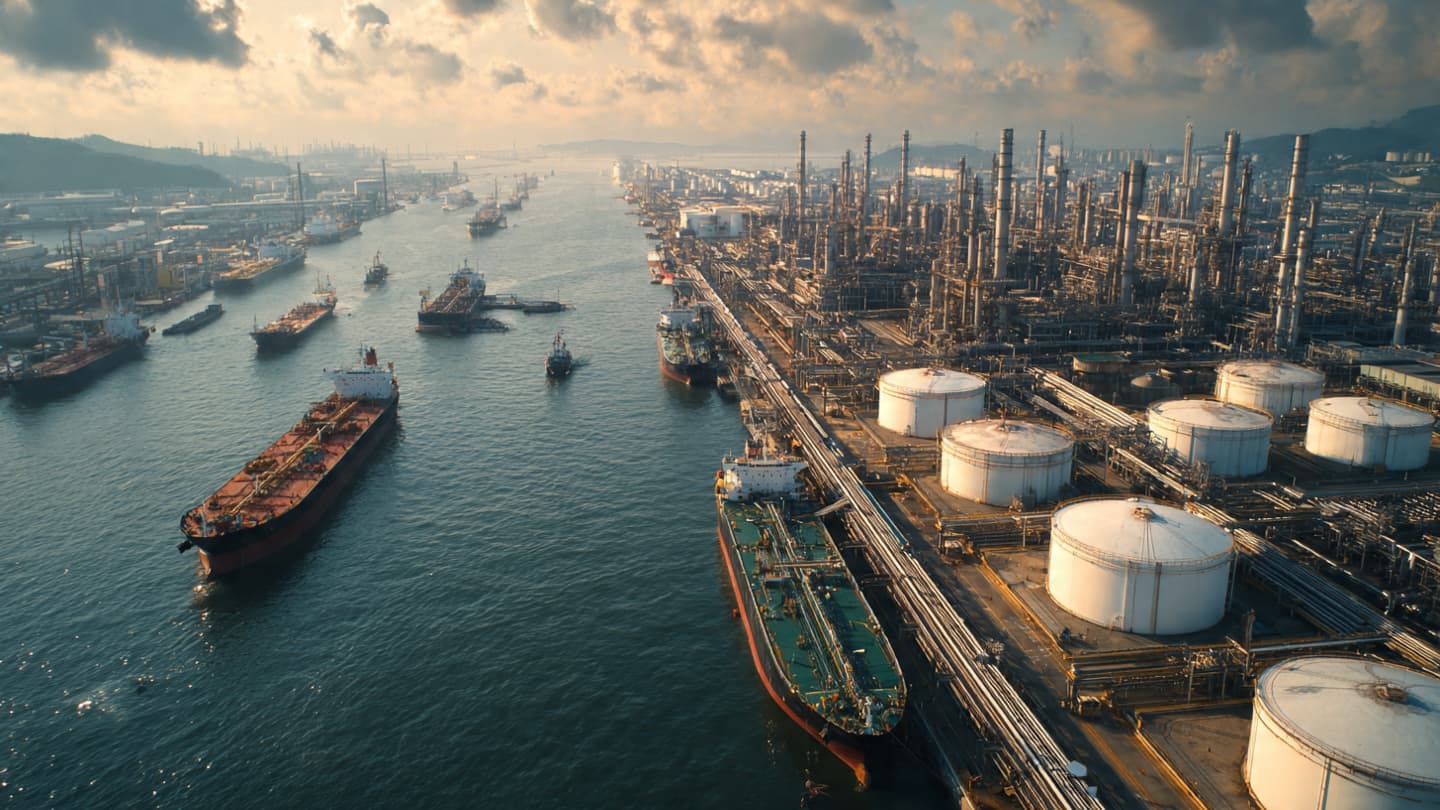
Maritime logistics improvements are playing a central role in restoring coordination across energy supply chains. Enhanced shipping technologies and better route planning have led to more predictable oil and gas shipments. This predictability is vital for reducing delays in downstream distribution, which can have significant ripple effects across various sectors reliant on timely energy supplies.
Energy companies are reporting better alignment between transport schedules and consumption demands. This synchronization is not only improving efficiency but also helping to stabilize prices in a volatile market. As companies adapt to these changes, they are finding ways to optimize their operations, which is essential for long-term sustainability.
Analysts emphasize that achieving a balanced supply chain is essential for maintaining long-term energy stability. The current improvements in logistics and coordination are steps in the right direction, but experts warn that the system is not fully normalized yet. Continuous monitoring and adaptation will be necessary to ensure that these gains are not lost in the face of future challenges.
The energy sector is undergoing significant transformations, and while the system is steadily moving towards normalization, it is essential for stakeholders to remain vigilant. The interplay between logistics, supply chain management, and energy consumption will continue to shape the future of global fuel networks.
As the world transitions towards more sustainable energy practices, the quiet rebuilding of these networks will play a critical role in ensuring that energy remains accessible and reliable for all users. The ongoing adjustments in logistics and supply chain dynamics will be pivotal in navigating the complexities of the global energy landscape.
Published by Banx Network. This article is part of the Banx decentralized media programme, powered by the BXE token on the XRP Ledger.



