Key Highlights
- Ethereum is currently trading 60% below its all-time high.
- The SEC's approval of Ether ETFs could attract significant institutional investment.
- Ethereum's utility and economic model may offer advantages over Bitcoin.
The cryptocurrency market has been abuzz with discussions surrounding Bitcoin's halving and the anticipated influx of institutional investment through spot ETFs. However, a quieter yet equally significant narrative is emerging around Ethereum, suggesting that the market's focus may soon shift dramatically towards this digital asset. Currently, Ethereum is trading at approximately 60% below its record price, a statistic confirmed by CoinDesk data from late May. This price point raises questions about the market's perception of Ethereum's underlying strength and future potential.
Ethereum's ecosystem is vast, encompassing a multitude of decentralized applications and playing a crucial role in the Web3 infrastructure. Unlike Bitcoin, which is often viewed as a digital gold and a store of value, Ethereum operates more like digital oil, fueling an entire economy. This distinction is critical as it highlights Ethereum's utility and the potential for growth that may not be immediately apparent to investors focused solely on short-term price movements.
The recent approval of spot Ether ETFs in the United States, following the SEC's unexpected green light on 19b-4 filings, introduces a new dynamic to the market. As Bloomberg Intelligence analyst Eric Balchunas noted, this approval was a surprise to many, including myself. The introduction of these investment vehicles is not just about creating new opportunities for investment; it represents a significant step towards legitimizing Ethereum in the eyes of institutional investors who have been hesitant to engage with cryptocurrencies directly.
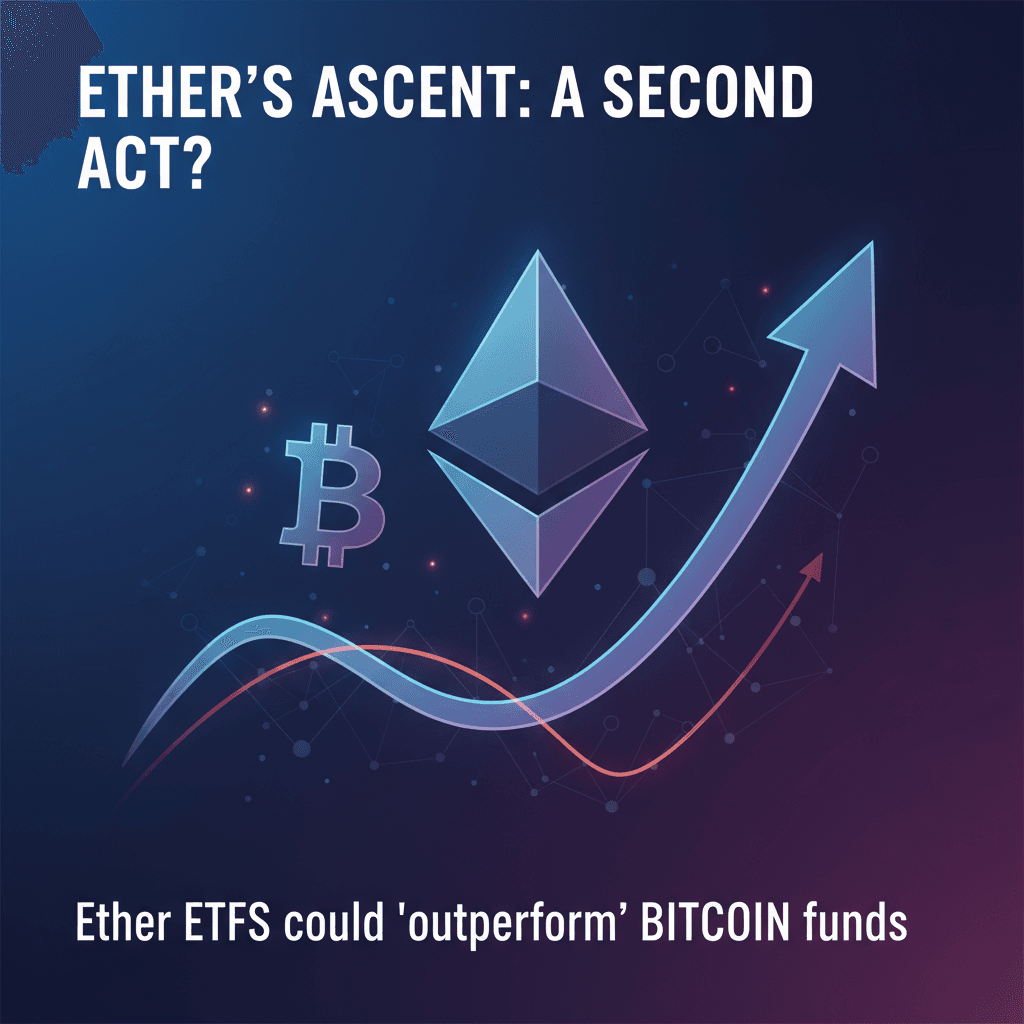
The structural differences between Bitcoin and Ethereum could allow Ether funds to outperform their Bitcoin counterparts in the long run. Ethereum's burn mechanism, which reduces supply, along with staking yields available to ETF providers, presents a compelling case for its value proposition. According to Messari’s Q1 2024 report, Ethereum continues to dominate in developer activity and transaction fees, indicating a robust and active network that generates real economic value beyond mere speculation.
Having observed the evolution of the crypto market over nearly two decades, from the dot-com bubble to various crypto winters, it is evident that the consensus often overlooks the subtle shifts in value propositions. While Bitcoin's narrative is well-established, Ethereum's story is still unfolding, with each protocol upgrade and new application contributing to its growth. The market tends to favor the new and flashy, but the real opportunities often lie in the foundational elements that support the digital economy.
As the financial landscape prepares for the arrival of Ether ETFs, it is worth considering whether the current market valuation of Ethereum accurately reflects its future potential. Is the 60% discount a temporary artifact of a market still adjusting to the influx of institutional products, or does it signify a deeper misunderstanding of Ethereum's role in the digital economy? The critical question may not just be how much capital will flow into these Ether ETFs, but whether we have been asking the right questions about value and utility all along.
Published by Banx Network. This article is part of the Banx decentralized media programme, powered by the BXE token on the XRP Ledger.