
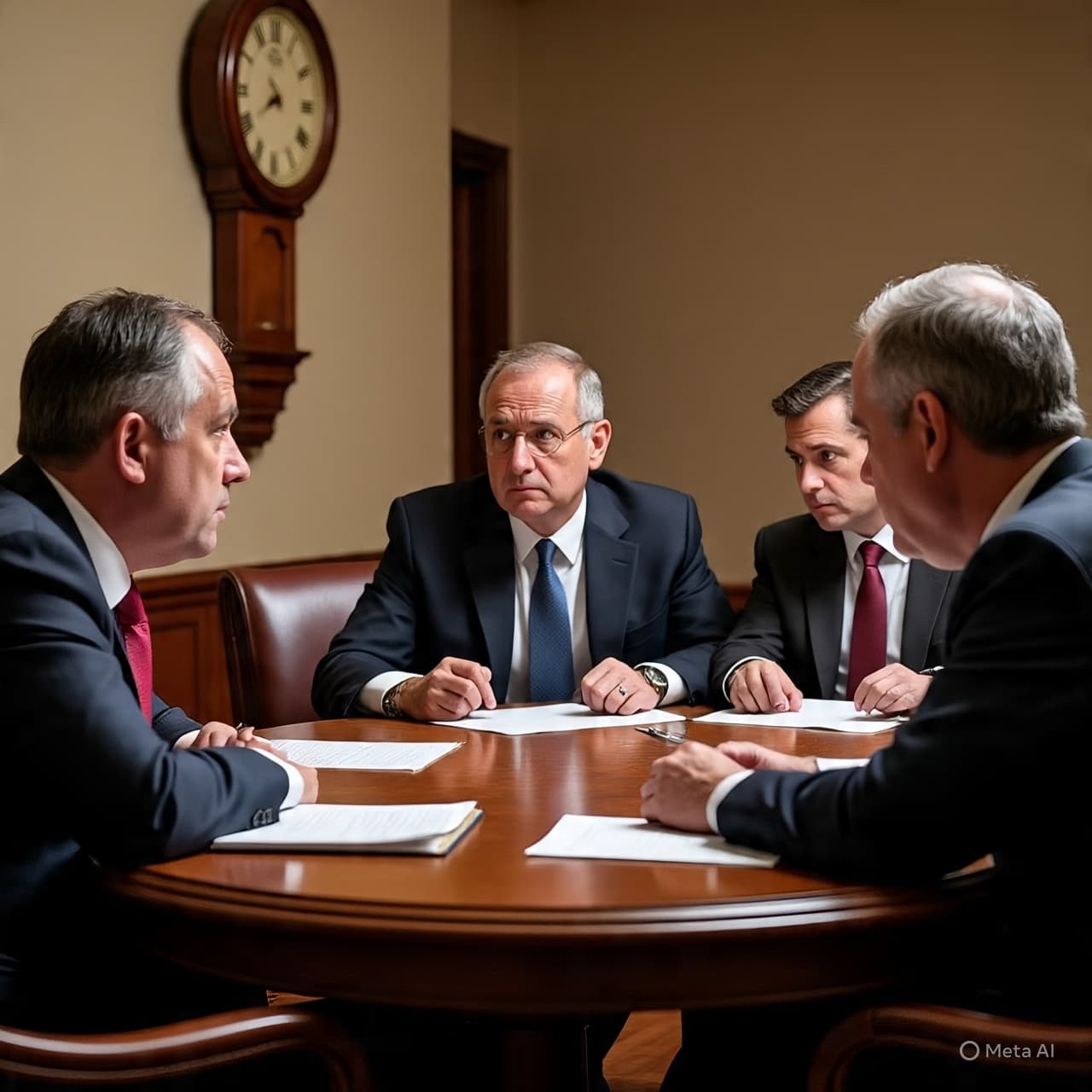
Key Highlights
- China emerges as a quiet broker in U.S.-Iran tensions.
- Its diplomatic approach emphasizes stability and restraint.
- Analysts note the risks of deeper involvement in the region.
China is increasingly positioning itself as a quiet broker in international diplomacy, particularly in the context of easing tensions between Iran and the United States. This emerging role reflects a strategic choice to influence outcomes subtly, rather than through overt actions. Beijing's involvement in facilitating elements of a recent truce has garnered attention, not for its scale, but for its nuanced approach that prioritizes timing and restraint.
The Middle East holds significant strategic importance for China, especially concerning global trade and energy flows. By fostering dialogue and creating conditions conducive to negotiation, China aligns its diplomatic efforts with its broader economic interests. This careful balancing act allows China to support stability in the region while avoiding the complexities that come with deeper entanglement in local conflicts.
Analysts have observed that while China is willing to assist in brokering agreements, it remains cautious about taking on a more active or sustained role in the region. The potential political, economic, and strategic risks are considerable, and deeper involvement could lead to complications that are difficult to manage. This cautious approach reflects a broader evolution in China's global posture, where it seeks to play a more visible role in international diplomacy without overstepping its strategic comfort zone.
The recent truce between Iran and the U.S. serves as a clear example of China's diplomatic strategy. By contributing to an environment conducive to dialogue, China demonstrates its ability to influence outcomes without fully owning them. However, its reluctance to deepen involvement highlights an awareness of the limits of its influence and the need to maintain a degree of distance from the complexities of regional dynamics.
For regional actors, China's role introduces both opportunities and uncertainties. On one hand, its participation provides an additional channel for dialogue, potentially broadening pathways toward stability. On the other hand, its cautious stance necessitates measured expectations, as Beijing is unlikely to assume responsibilities that extend beyond its strategic interests.
This situation underscores the shifting nature of global diplomacy, where power is not solely exercised through direct action but also through the ability to shape conditions and encourage engagement. China's involvement in the Iran truce exemplifies this more nuanced form of influence, which is becoming increasingly relevant in today's complex geopolitical landscape.
As China continues to support diplomatic efforts surrounding the U.S.-Iran situation, it signals a commitment to remain engaged at a measured level. Observers anticipate that Beijing will monitor developments closely, adapting its approach as regional dynamics evolve, while maintaining its preference for a cautious and calculated diplomatic presence.
Published by Banx Network. This article is part of the Banx decentralized media programme, powered by the BXE token on the XRP Ledger.



