The universe often speaks in light, but sometimes its message arrives softened, as though filtered through countless layers of memory. In the case of deep-space observation, even the clearest vision can be shaped by invisible material drifting between stars.
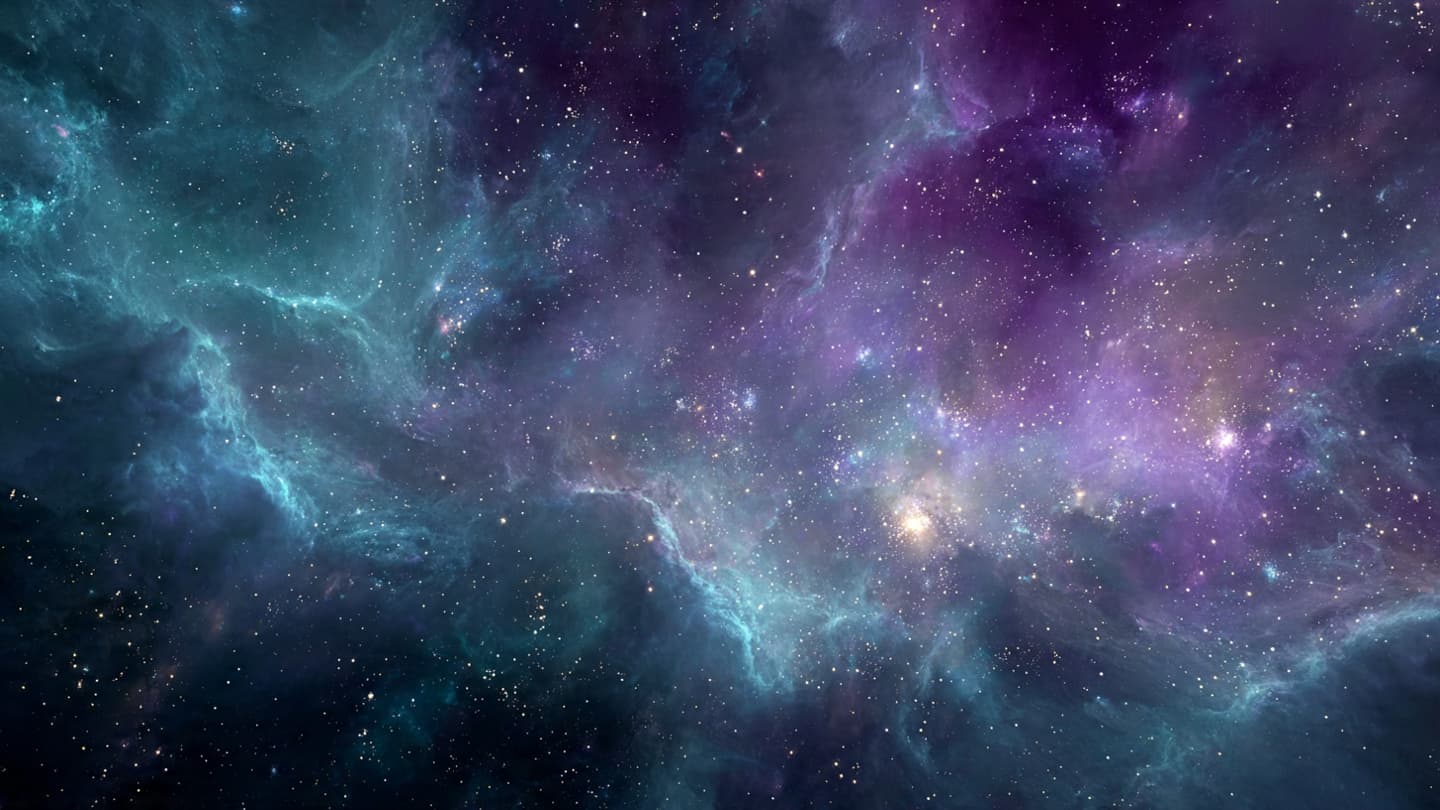
Recent scientific discussions suggest that dust produced by ancient supernovae may be influencing some of the observational puzzles seen in data from the James Webb Space Telescope. These particles, formed in the violent death of massive stars, spread across galaxies and become part of the interstellar medium.
This cosmic dust does not simply obscure light; it transforms it. As starlight passes through these particles, it can be absorbed, scattered, or reddened, subtly altering the way distant galaxies and star-forming regions appear to telescopes.
For instruments as sensitive as JWST, even small variations in dust distribution can affect how scientists interpret infrared signals. This has led researchers to revisit models of how light interacts with ancient stellar remnants.
Supernova dust is not new to astronomy, but its role in shaping observational clarity is still being refined. Each layer of understanding adds nuance to how astronomers reconstruct the structure and history of the universe.
In some cases, features once considered anomalies in deep-field imaging may align more closely with expected dust effects. This perspective does not reduce the telescope’s achievements but instead highlights the complexity of interpreting signals traveling billions of years.
The ongoing analysis reflects a broader theme in astrophysics: observation is never purely direct, but always mediated by the material history of space itself.
Researchers continue to refine models of interstellar dust to better understand how it influences JWST’s observations, helping to sharpen one of humanity’s most powerful views into the early universe.
AI Image Disclaimer Images accompanying this topic are AI-generated visual interpretations of interstellar dust and deep-space observation environments.
Published by Banx Network. This article is part of the Banx decentralized media programme, powered by the BXE token on the XRP Ledger.