

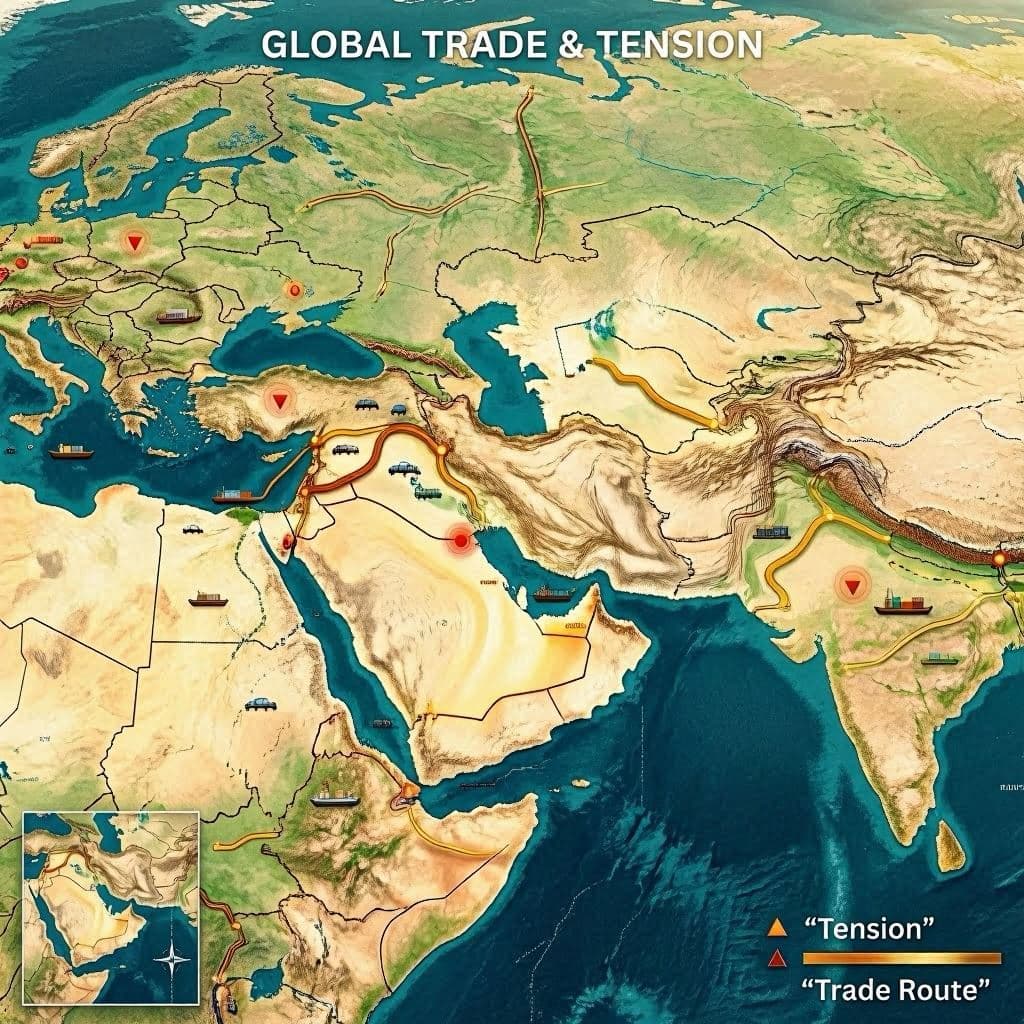
Key Highlights
- Recent tensions in the Middle East are escalating, particularly concerning Iran.
- The U.S. has intensified diplomatic pressure on Iran amid security concerns.
- Regional governments are reassessing their positions in light of heightened tensions.
The recent escalation in rhetoric surrounding Iran marks another chapter in the complex narrative of international relations in the Middle East. While the atmosphere may feel charged with anticipation, it is a familiar scenario that has unfolded multiple times in the past. The United States has ramped up its diplomatic and strategic pressure on Iran, responding to ongoing concerns about regional security dynamics. Although official statements are often carefully crafted, the implications of U.S. policy are interpreted through a lens of actions, alliances, and public messaging.
The Middle East is a region characterized by overlapping political and security interests, making it particularly sensitive during periods of heightened tension. Even minor adjustments in policy or rhetoric can have significant ripple effects, influencing not only bilateral relations but also broader regional calculations involving various state and non-state actors. This interconnectedness underscores the complexity of the situation, where every move is scrutinized for its potential impact.
Diplomatic observers frequently refer to these moments as “measured escalation.” This term describes a strategy where direct confrontation is avoided, yet pressure is applied through economic, political, or strategic channels. Such an approach aims to balance deterrence with the need to prevent open conflict, a delicate dance that requires careful navigation.
As tensions rise, regional governments and international partners often find themselves reassessing their positions. The intersection of energy markets, security cooperation frameworks, and humanitarian considerations creates a multidimensional landscape that complicates the situation further. Each stakeholder must weigh their interests against the backdrop of evolving geopolitical realities.
Analysts emphasize that developments in the region rarely occur in isolation. They are often embedded within a broader historical context of negotiations, agreements, and periodic breakdowns in communication. Each new phase of tension builds upon the residue of previous diplomatic cycles, making it essential to understand the historical precedents that shape current dynamics.
Despite the seriousness of the situation, diplomatic channels remain open. International institutions and intermediaries often play crucial roles behind the scenes, striving to maintain dialogue even when public rhetoric becomes strained. This ongoing communication is vital for preventing escalation beyond political and strategic boundaries.
As the situation evolves, it remains fluid, shaped by immediate decisions and long-standing geopolitical realities. While uncertainty persists, the emphasis in diplomatic circles continues to focus on preventing further escalation and fostering stability in a region marked by complexity and interdependence.
Published by Banx Network. This article is part of the Banx decentralized media programme, powered by the BXE token on the XRP Ledger.




