
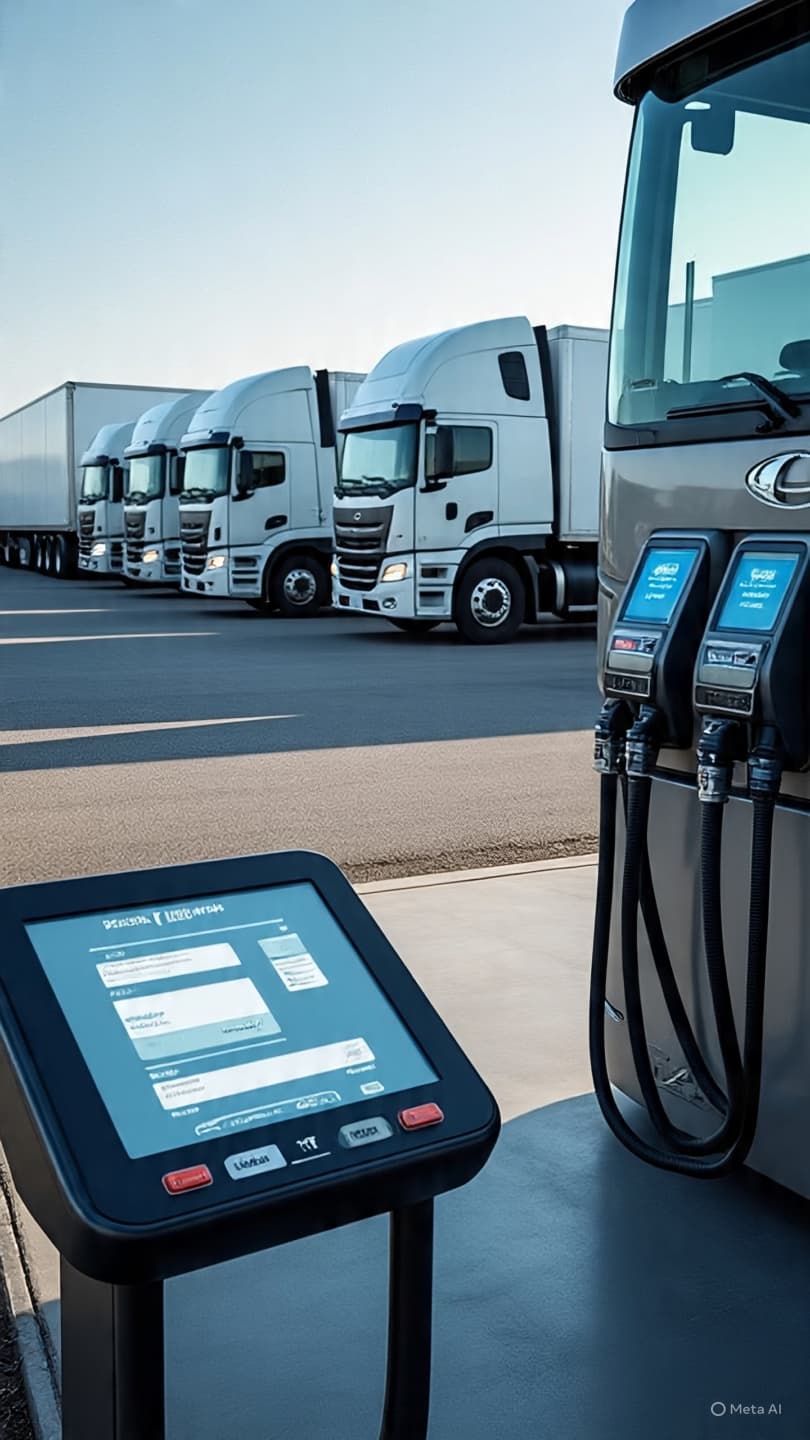
Some transformations unfold not in headlines, but in the steady rhythm of daily operations. Beneath the movement of goods and services lies an intricate web of transactions—small in isolation, vast in accumulation.
The global fleet card market is projected to reach approximately $4.7 trillion by 2034, reflecting significant growth driven by expanding transportation networks and the digitization of payment systems. The forecast highlights how specialized financial tools are becoming central to logistics operations.
Fleet cards, used primarily by businesses to manage fuel purchases and vehicle-related expenses, have evolved beyond simple payment methods. They now offer integrated solutions, including expense tracking, data analytics, and operational oversight.
The growth of e-commerce and delivery services has contributed to rising demand. As companies manage larger fleets, the need for efficient financial controls becomes increasingly important.
Technological advancements have also played a role. Digital platforms and mobile integration have enhanced the functionality of fleet cards, making them more adaptable to modern business needs.
At the same time, the shift toward electric vehicles introduces new dimensions. Fleet card providers are beginning to incorporate charging solutions, reflecting broader changes in transportation infrastructure.
Analysts note that regulatory frameworks and fuel price dynamics may influence market expansion. Regional differences in adoption rates highlight varying levels of infrastructure and technological readiness.
Competition within the sector continues to intensify, with financial institutions and fintech companies seeking to capture market share. Innovation remains a key differentiator.
For businesses, the appeal lies in efficiency and control. Fleet cards provide a centralized system for managing expenses, reducing administrative complexity.
As the market continues to grow, it reflects a broader trend—where finance and mobility intersect, shaping the way industries operate on a global scale.
AI Image Disclaimer Illustrations were produced with AI and serve as conceptual depictions.
Sources Bloomberg, Reuters, Financial Times, Fortune Business Insights, Allied Market Research
Published by Banx Network. This article is part of the Banx decentralized media programme, powered by the BXE token on the XRP Ledger.



