
Key Highlights
- Incident:A three-metre saltwater crocodile attacked a man near La Djardarr Bay.
- Response:Local community calls for increased crocodile surveillance and safety measures.
- Context:The attack underscores the delicate balance between human activities and wildlife in the Kimberley region.
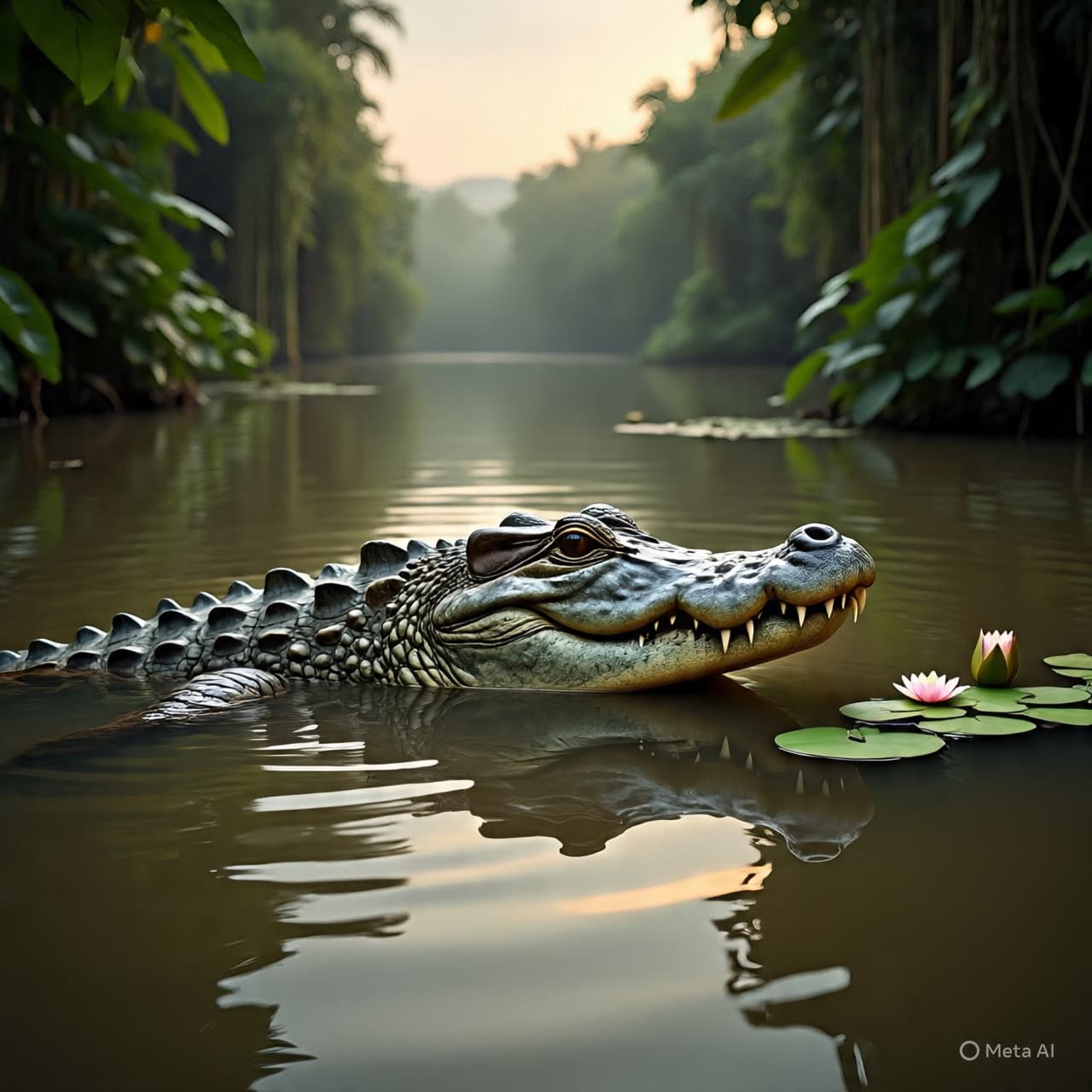
In the remote Kimberley region of Western Australia, the intricate relationship between humans and nature is often highlighted by the waterways that define the landscape. Last month, this connection was starkly illustrated when a man was attacked by a three-metre saltwater crocodile while hunting near La Djardarr Bay. The incident, which left him with significant lacerations, required a two-hour drive to Broome Hospital for medical assistance, prompting urgent discussions about crocodile safety in the area.
Local authorities confirmed the attack, emphasizing the need for heightened awareness regarding crocodile presence in the region. The incident has reignited calls from community members for improved surveillance and safety measures, particularly in areas frequented by families and recreational fishers. Phillip “Bibido” McCarthy, coordinator of the Bardi Jawi Rangers, expressed concern over the increasing sightings of crocodiles in places once deemed safe for swimming and fishing. “We get sightings every year,” he noted, highlighting the potential danger to children and families engaging in traditional activities along the waterways.
The cultural significance of these waterways cannot be overstated. For many Indigenous communities in the Kimberley, rivers and estuaries are not just sources of sustenance but are also integral to their cultural identity and heritage. Elders pass down knowledge of ancestral traditions that connect them to the land and sea, reinforcing the importance of respecting the natural environment. However, as crocodile populations grow, the challenge of coexistence becomes more pressing.
McCarthy advocates for increased visibility of safety signage at community entry points and boat ramps, as well as expanded monitoring of crocodile populations. “Crocodiles can walk miles and find a place to wait for food; they’re an animal that stalks and plans,” he explained, emphasizing the need for a proactive approach to wildlife safety. This perspective reflects a broader conversation about how communities can honor their deep-rooted connections to the land while adapting to the realities of wildlife behavior.
Government departments have also joined the conversation, urging residents and visitors to be “crocwise” around both fresh and saltwater environments. Educational initiatives and clear signage are essential components of this strategy, aimed at raising awareness and promoting safe practices among those who frequent these natural spaces.
Since the attack, there have been no further reports of serious incidents, but the memory of the encounter serves as a poignant reminder of the delicate balance between human routines and the ancient presence of wildlife in the Kimberley. As communities navigate this tension, the importance of vigilance and respect for nature remains paramount, ensuring that even ordinary moments are approached with extraordinary care.
Published by Banx Network. This article is part of the Banx decentralized media programme, powered by the BXE token on the XRP Ledger.



