
Key Highlights
- Nationwide vigils and protests have emerged in response to federal shootings by ICE agents.
- The fatal shooting of a woman in Minneapolis has reignited debates over immigration enforcement.
- Thousands participated in peaceful demonstrations, calling for accountability and change.
In recent weeks, the tragic shooting of a 37-year-old woman by an ICE agent in Minneapolis has sparked a wave of vigils and protests across the United States. These gatherings, held in parks, outside city halls, and in neighborhoods, have become a poignant response to the ongoing tensions surrounding federal immigration enforcement. As communities come together to mourn and protest, the impact of these events is felt far beyond the immediate locations of the incidents.
The Minneapolis incident, described by officials as an act of self-defense, has drawn significant scrutiny from local leaders and community members who demand accountability from federal agents. This tragic event is not isolated; it follows a series of federal enforcement actions that have raised concerns about the methods and motivations behind immigration policies. In Portland, a subsequent Border Patrol shooting that injured two individuals further fueled the urgency for public demonstrations.
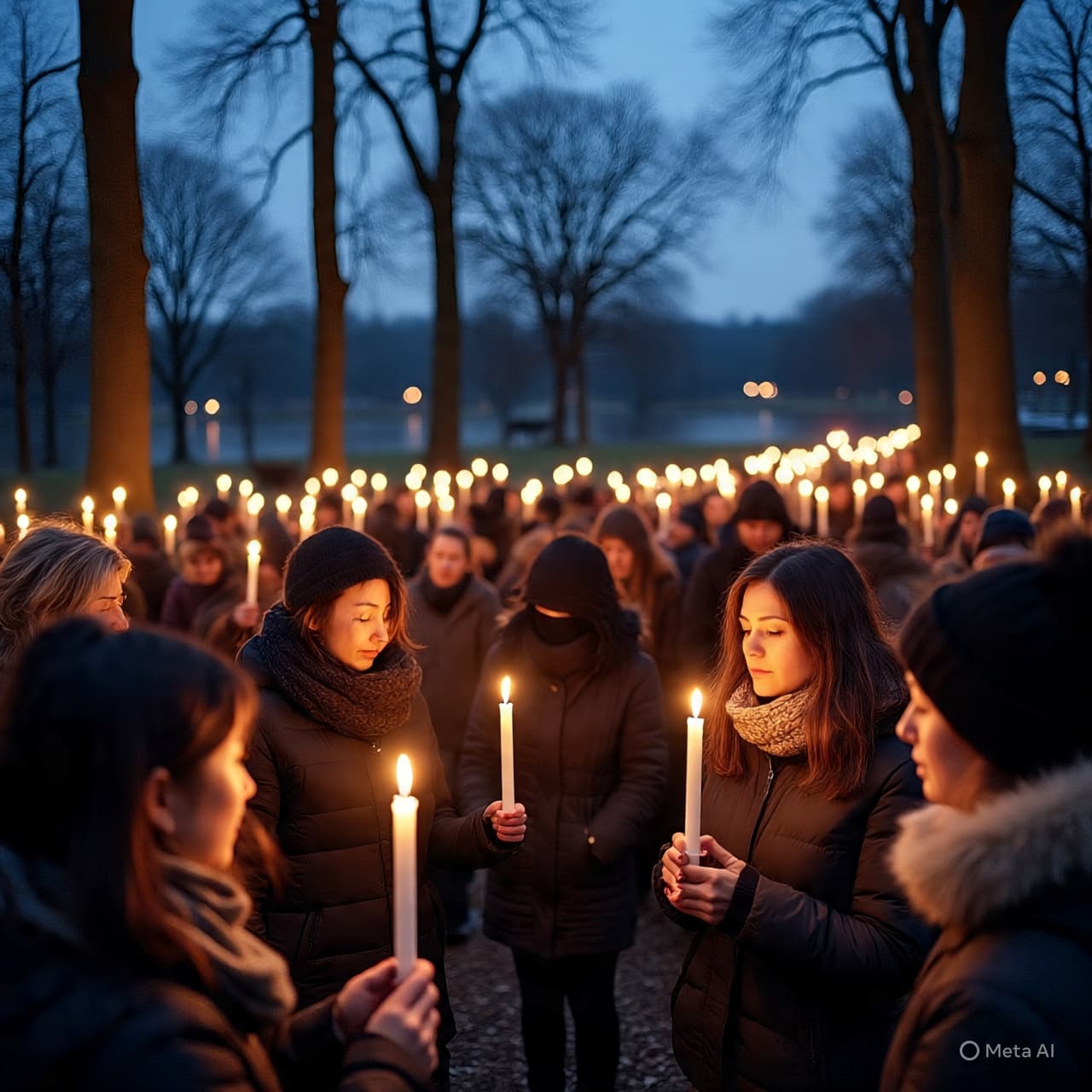
Organizers quickly mobilized under the banner “ICE Out for Good,” transforming what began as a few planned vigils into a nationwide movement. From New York City to Portland, thousands have taken to the streets, holding candles and signs, united in their call for justice and reform. The atmosphere at these events has been marked by a sense of solidarity, with many participants expressing that this is their first time engaging in activism.
In New York City, the scene was particularly striking as demonstrators filled historic squares, their chants echoing through the chilly air. The collective energy of the crowd, composed of individuals from diverse backgrounds, illustrated a shared commitment to advocating for humane immigration policies. Many participants emphasized the importance of visibility and presence in the face of federal actions that they perceive as unjust.
Portland, a city known for its activism and debates over sanctuary policies, also witnessed significant gatherings. Community leaders and elected officials voiced their concerns, calling for a thorough review of federal enforcement operations. Their statements resonated with the sentiments expressed in other cities, highlighting a growing demand for transparency and accountability in immigration enforcement.
These vigils and protests represent more than just a reaction to specific incidents; they reflect a broader societal questioning of how safety, legality, and community intersect under national policies. As the weekend of protests concludes, the impact of these gatherings will likely extend beyond mere numbers. The conversations sparked among neighbors and the shared stories exchanged during these events may foster a deeper understanding of the complexities surrounding immigration enforcement and its effects on local communities.
As activists and officials assess the outcomes of these events, the quieter moments of connection and dialogue may prove to be just as significant as the public demonstrations themselves. The ongoing discourse surrounding federal power and the humane treatment of all individuals remains a critical issue that will continue to shape community interactions and policy discussions in the future.
Published by Banx Network. This article is part of the Banx decentralized media programme, powered by the BXE token on the XRP Ledger.



