
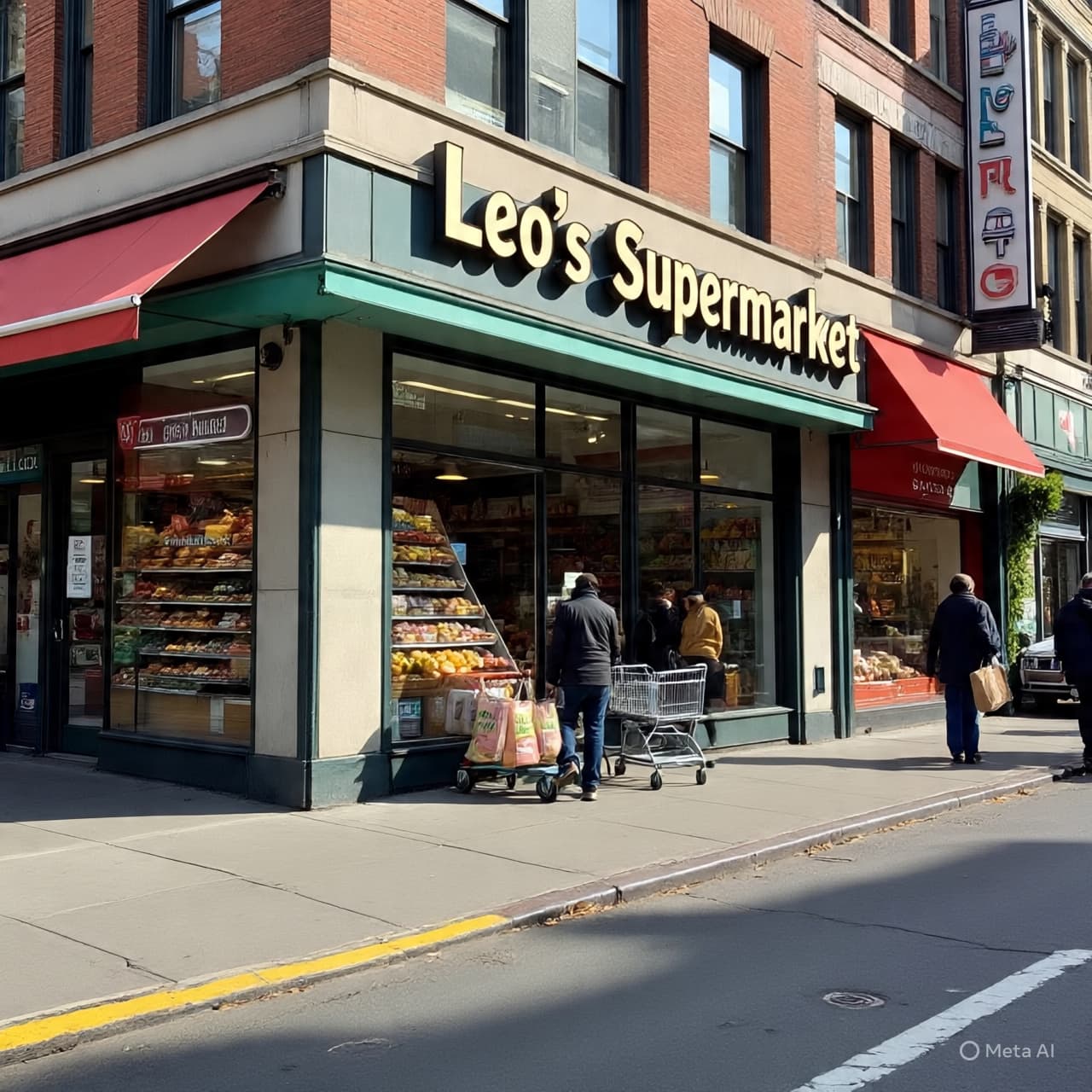
There is a particular hush that settles over a neighborhood when a familiar place prepares to vanish from daily life, much like the quiet dusk that follows a long, sun-lit afternoon. For regulars who have walked its aisles, reached for a favorite olive oil, or paused to exchange greetings with staff who knew them by name, Leo’s Supermarket in Heidelberg has been more than a shop — it has been a quiet keeper of community rhythms, a gentle anchor in weekly routines that bind people to place.
In recent weeks, talk has drifted through this part of Victoria like autumn leaves on a soft breeze — talk of shelves slowly thinning and favorite products dwindling in supply, of hinged conversations between neighbors about “how long it might really stay open.” Some saw only a business, but for many others it was a comforting presence, a place that held a unique blend of gourmet produce, fresh bread, and personal service that felt distinct from the larger, impersonal chains.
Now that gentle presence is poised to change. The supermarket, located on Burgundy Street, is due to close its doors on March 13, weeks earlier than many had expected. Its closure comes as part of a broader plan to redevelop the site with a new supermarket and five additional retail spaces — a move that reflects both the pressures and opportunities in urban retail landscapes.
For patrons who gathered their groceries under Leo’s awning, the news has stirred wistful reflection. Some spoke of how the store’s atmosphere — the curated shelves, the familiar call of staff asking “how are you today?” — once gave a simple Friday evening shop an extra warmth. In social posts and casual conversations, phrases like “it’s really unfair” and “such a loss” have appeared, carrying a sense of loss that goes beyond the purely transactional.
There is, of course, a broader pattern to the change. Independent supermarkets and specialty food retailers across Australia and beyond have faced mounting challenges in recent years — from rising rents and redevelopment pressures to the competitive might of national chains with vast buying power. In this shifting terrain, the land itself often seems to pulse with its own value, leading developers and property owners to reimagine sites in ways that promise new investment and fresh commercial life.
Yet for those who stop at the emptying aisles in these final weeks, there is a tangible sense of a chapter closing. It is more than a matter of changing labels or new tenants; it feels like bidding farewell to routines that quietly threaded individuals into a community’s tapestry. Shoppers linger over the last bottles of olive oil or artisan cheese, taking in the space with a subtle blend of appreciation and regret.
Even as redevelopment promises new shops and the continued hum of commerce, the closure of Leo’s in Heidelberg remains a gentle reminder of how retail spaces can form part of the emotional geography of a neighborhood — and how change, even when inevitable, can leave an unmistakable imprint on those who walk its aisles.
AI Image Disclaimer “Graphics are AI-generated and intended for representation, not reality.”
Sources Brisbane Times News Minimalist Helm News
Published by Banx Network. This article is part of the Banx decentralized media programme, powered by the BXE token on the XRP Ledger.


