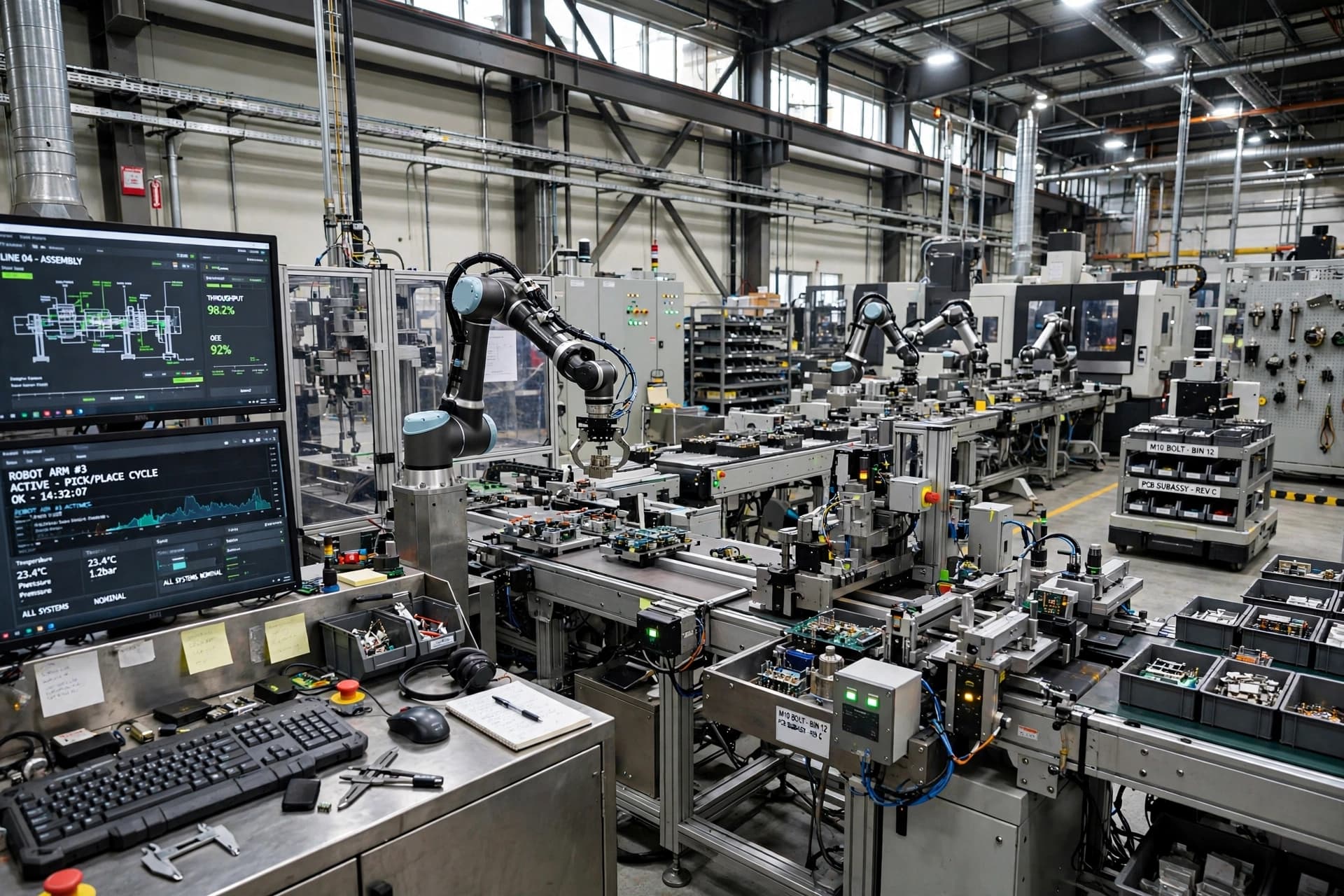
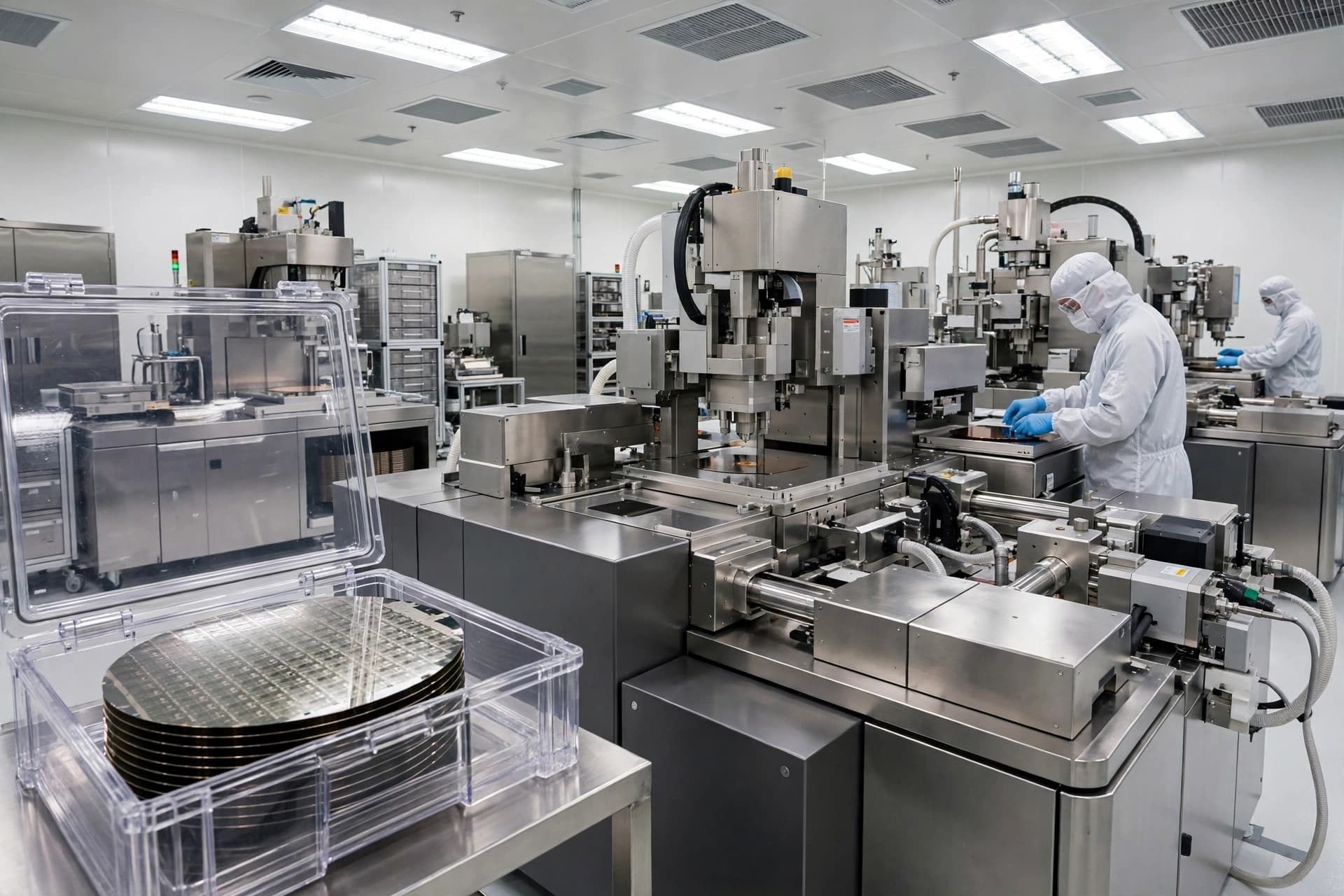
Economic change rarely announces itself in straight lines. It bends, pauses, and occasionally retreats before finding its direction. New technologies, especially those that reach deeply into how work is organized, tend to arrive with friction before reward. Artificial intelligence appears poised to follow that familiar path.
According to economic research discussed among leading scholars, the widespread adoption of AI across U.S. industries is expected to raise national productivity by roughly 0.9 percent per year over the next decade. The gain, however, is not forecast to arrive evenly. Economists describe a “J-curve” pattern, in which early disruption and adjustment temporarily weigh on productivity before longer-term benefits begin to surface.
The early phase reflects the cost of transition. Firms must reorganize workflows, retrain workers, and redesign systems built for earlier technologies. During this period, output may lag expectations even as investment accelerates. History offers parallels, from electrification to the computer age, when initial adoption slowed measured productivity before unlocking sustained growth.
Over time, the curve is expected to turn upward. As AI tools mature and integration improves, efficiencies accumulate across sectors ranging from logistics and manufacturing to professional services and research. Tasks once limited by human processing speed become scalable, while new forms of coordination reshape how labor and capital interact.
Economists caution that the gains will not be automatic. Policy choices, workforce training, and institutional flexibility will influence how quickly the benefits materialize and how broadly they are shared. Productivity growth reflects not only technological capability but the capacity of society to adapt to it.
Still, the long view remains measured rather than exuberant. A 0.9 percent annual boost is meaningful but incremental, suggesting transformation through accumulation rather than shock. The promise of AI, in this telling, is not sudden upheaval but a steady reshaping of economic potential.
In straight news terms: economic research presented to U.S. economists projects that artificial intelligence could raise U.S. productivity by about 0.9 percent annually over the next decade, with an initial adjustment period before gains emerge.
Published by Banx Network. This article is part of the Banx decentralized media programme, powered by the BXE token on the XRP Ledger.