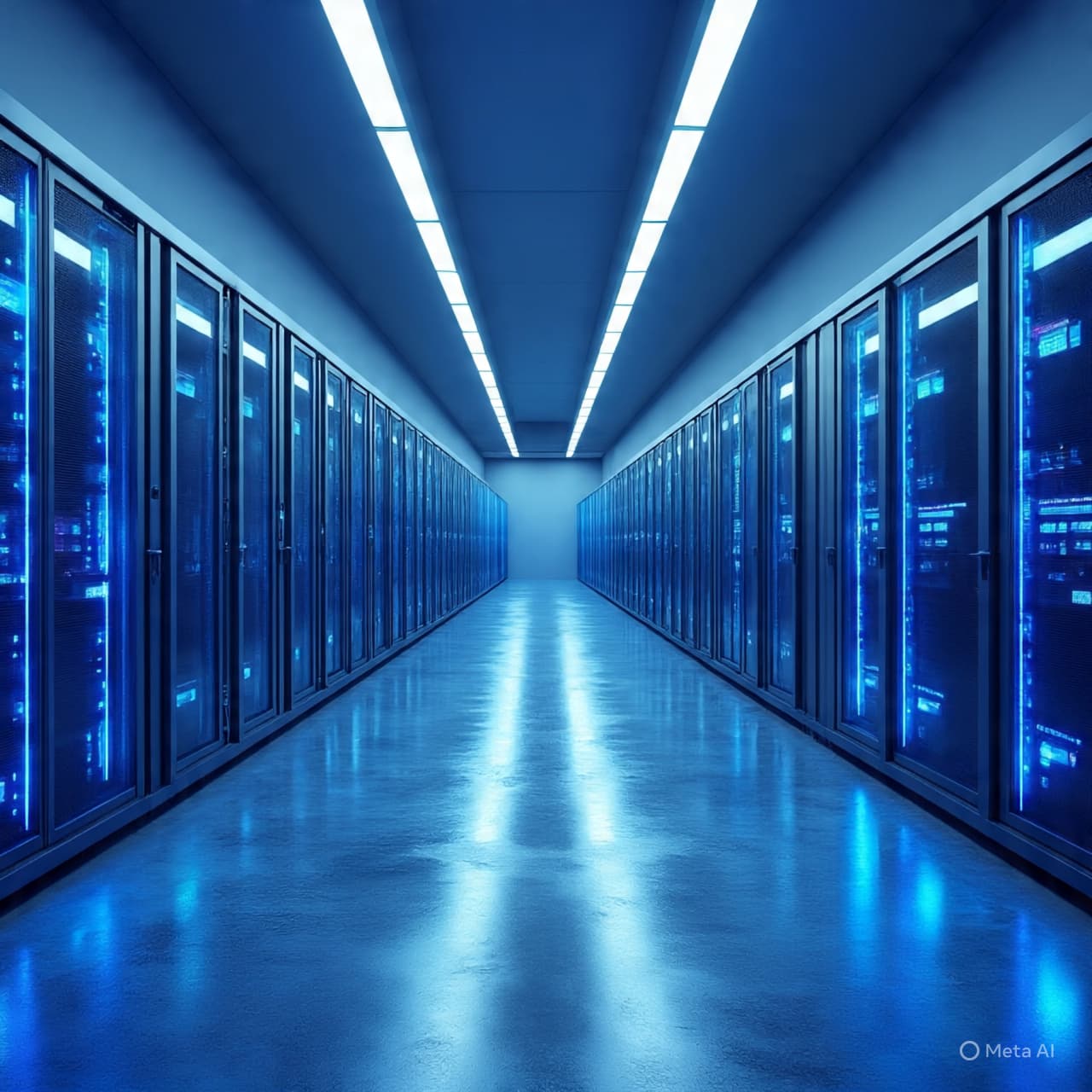
In the quiet hum of servers—those unseen engines of the digital age—there is a rhythm that rarely pauses. Data flows like an endless current, and within vast, windowless halls, machines learn, calculate, and predict. Yet even as this momentum accelerates, a softer question begins to surface, almost like a whisper beneath the noise: how fast is too fast?
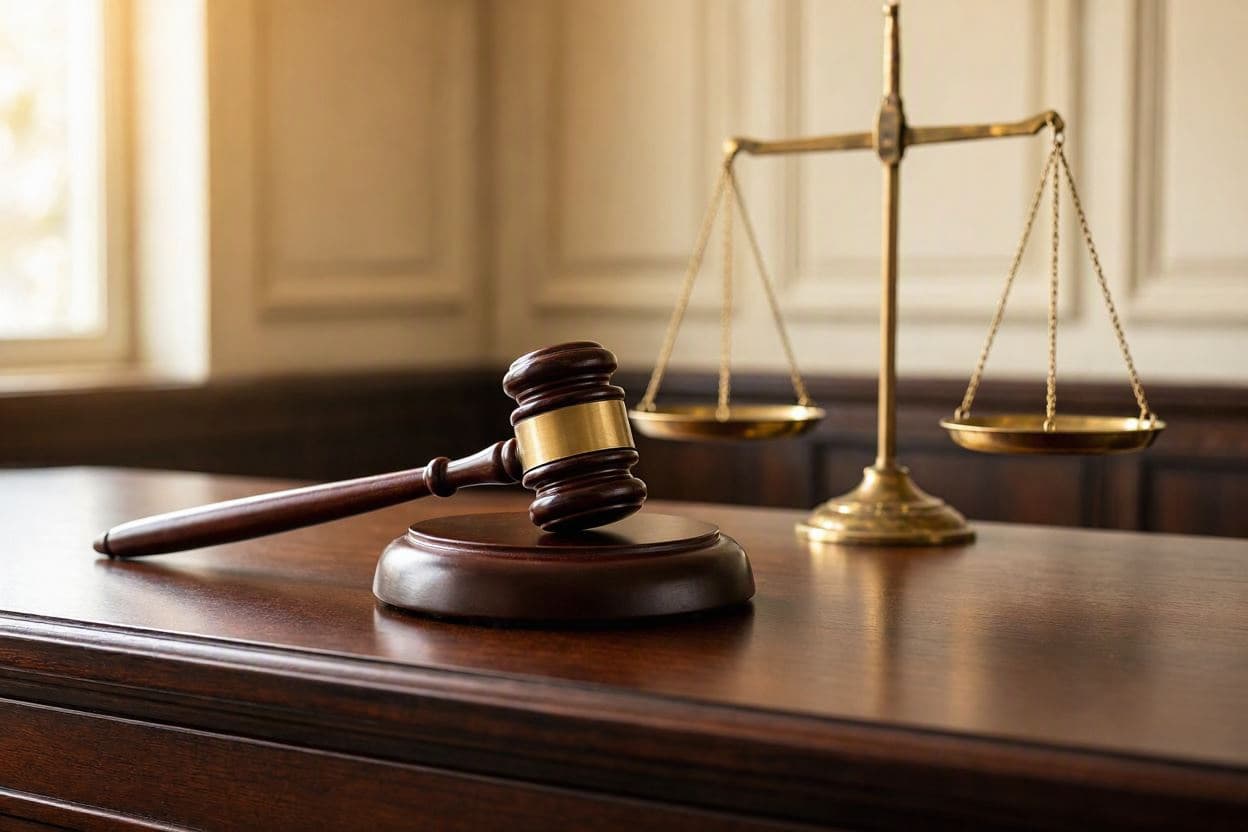
In the United States, a group of lawmakers is now urging a temporary halt on the expansion of data centers tied to artificial intelligence, suggesting that the pace of infrastructure growth may be outstripping the safeguards meant to guide it. The proposal does not seek to silence innovation, but rather to create a moment of stillness—a pause long enough to consider the boundaries of a technology that continues to evolve in both promise and complexity.
At the center of this push lies a concern that AI systems, increasingly embedded in daily life, are advancing without a fully formed framework to ensure their safety and accountability. Data centers, as the physical backbone of these systems, have become symbols of that rapid expansion. Each new facility represents not only increased computational power, but also a deeper integration of AI into economic, social, and political spheres.
Supporters of the proposed pause describe it as a precautionary step. They argue that without clear guardrails, the growth of AI infrastructure could amplify risks—ranging from data privacy concerns to the potential misuse of powerful algorithms. In this view, slowing down is not resistance, but responsibility; a way to ensure that innovation remains aligned with public interest.
There are also environmental considerations quietly shaping the conversation. Data centers require vast amounts of electricity and water, drawing attention to their footprint in a world already grappling with resource constraints. For some policymakers, the question extends beyond technology itself, touching on sustainability and the long-term costs of maintaining such an expansive digital ecosystem.
Industry voices, however, offer a different perspective. Technology companies and infrastructure developers often emphasize the importance of maintaining momentum, noting that AI has become a critical driver of economic growth and global competitiveness. A pause, they suggest, could risk slowing innovation and placing the United States at a disadvantage in an increasingly competitive international landscape.
Between these positions lies a complex terrain, where urgency meets caution. The call for a pause does not yet represent a unified legislative action, but rather an emerging thread within broader policy discussions around AI governance. Lawmakers continue to explore how best to balance innovation with oversight, speed with reflection.
The conversation also reflects a broader shift in how technology is perceived. Once celebrated primarily for its possibilities, AI is now approached with a more measured awareness—one that acknowledges both its potential and its uncertainties. In this evolving narrative, infrastructure itself becomes part of the ethical equation, not just a neutral foundation but an active participant in shaping outcomes.
As discussions continue, no immediate halt has been enacted. Instead, the proposal adds another layer to an ongoing dialogue about how societies choose to guide transformative technologies. Whether it leads to concrete policy or remains a point of reflection, the idea of pausing—even briefly—suggests a willingness to step back and look more closely at the path ahead.
In the end, the servers will continue to hum, and the data will continue to flow. But for a moment, perhaps, there is space to listen—not only to the machines, but to the questions they quietly raise.
AI Image Disclaimer Graphics are AI-generated and intended for representation, not reality.
Source Check (Credible Media Outlets): Reuters Bloomberg The Wall Street Journal The New York Times Financial Times
Published by Banx Network. This article is part of the Banx decentralized media programme, powered by the BXE token on the XRP Ledger.