
There is a specific, quiet tension that exists in the spaces where global capital meets the raw potential of the Sahel. In the boardrooms of N’Djamena and the offices of international analysts, the name of Chad is spoken with a measured, reflective gravity. It is increasingly viewed as a "high-consequence" market—a landscape where every decision carries the weight of significant impact, and where the distance between challenge and opportunity is as thin as the morning mist over the Chari River.
To observe the movement of investment into this terrain is to witness a profound exercise in strategic patience. There is a reflective stillness in the way the modern venture looks toward the desert, recognizing that the rewards of such a frontier are reserved for those who can navigate its complexities with a steady hand. The motion is not one of frantic acquisition, but of deep, atmospheric assessment, ensuring that every commitment is anchored in the reality of the Chadian soil.
The atmosphere of the business summits is one of focused intensity, a environment where the traditional metrics of profit are balanced against the broader narratives of regional stability and infrastructure development. The air is dry and expectant, filled with the quiet hum of negotiations that seek to build something durable in a shifting world. It is a story of resilience, where the inherent risks of the market are met with a sophisticated understanding of its long-term value.
In the quiet of the legal and financial audits, the dialogue is one of meticulous detail, a commitment to understanding the unique pulse of the Chadian economy. One senses a profound patience in this work, a realization that to invest in a high-consequence market is to enter into a long-term relationship with the land and its people. This is a narrative of stewardship, a belief that the infusion of capital can be a catalyst for a more stable and prosperous horizon.
Time spent in the evaluation of these ventures is a period of deep contemplation, where the potential of the oil fields and the mineral deposits is weighed against the social and environmental fabric of the region. Yet, these investments are more than just financial transactions; they are a reflection of the collective will to integrate Chad into the global economic tapestry. There is a poetic resonance in the idea that the most challenging landscapes can also be the most transformative.
The recognition of Chad as a high-consequence market signals a maturation of the national economic identity, a movement toward a future where the country is seen as a vital, if complex, player on the world stage. It is a calm and deliberate progress, recognizing that the strength of the nation is bolstered by the confidence of those who choose to build within its borders. The narrative of the investor is thus a narrative of quiet courage, a belief in the enduring potential of the Sahel.
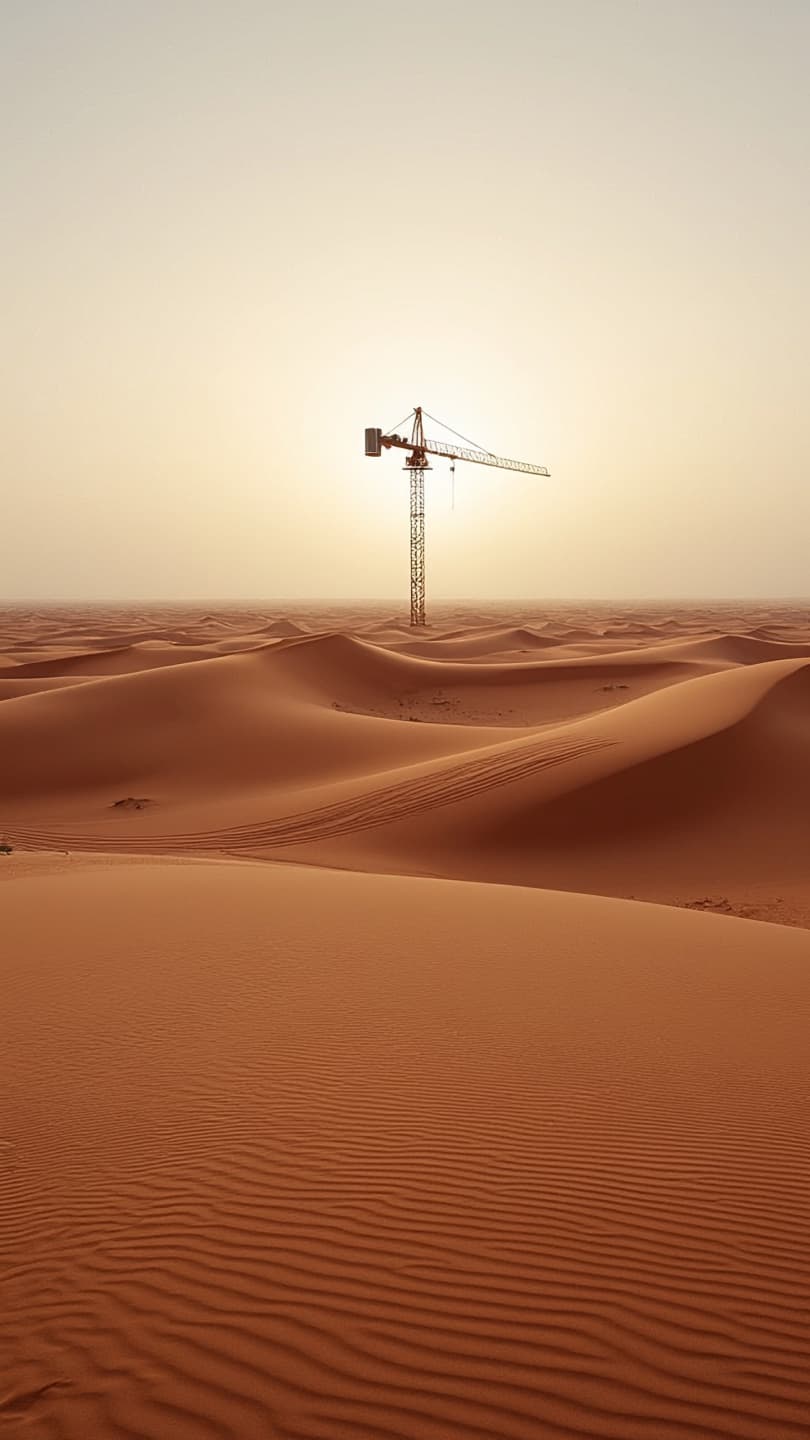
As the sun sets over the industrial zones, casting long, amber shadows across the machinery of progress, the significance of these investments remains a vital part of the national atmosphere. The connection between the financier and the frontier is a silent pact, a promise that the resources of the earth will be used to forge a path toward a common future. The success of these bold ventures is a soft validation of the belief that with the right vision, the most difficult of paths can lead to the most meaningful of destinations.
Financial analysts and global risk management firms have identified Chad as a primary "high-consequence" investment destination for 2026. This classification highlights a market characterized by high entry barriers and significant political-economic complexity, yet offering substantial returns in energy and infrastructure sectors. Reports suggest that institutional investors are increasingly focusing on the country’s long-term potential, provided that governance frameworks continue to stabilize and support international partnership standards.
Published by Banx Network. This article is part of the Banx decentralized media programme, powered by the BXE token on the XRP Ledger.


