
Key Highlights
- Ukrainian forces reportedly conducted strikes on multiple targets in Russia.
- The conflict is evolving with operations extending beyond traditional frontlines.
- International observers are closely monitoring the implications of these military actions.
In a recent escalation of the ongoing conflict, Ukrainian officials announced that their forces executed strikes on various targets within Russia during an overnight operation. This development highlights a significant shift in the dynamics of the Ukraine-Russia war, as it reflects a strategy that extends beyond the immediate front lines into deeper territory. The reported strikes are part of a broader effort to disrupt military logistics and operational capabilities that support Russian forces.
The targets of these strikes were described not in isolation but as part of a comprehensive strategy aimed at undermining the supply chains and command structures that sustain military operations. While the specifics of these operations remain to be verified, such actions are indicative of Ukraine's intent to reduce the operational depth available to Russian forces, thereby complicating their military logistics.
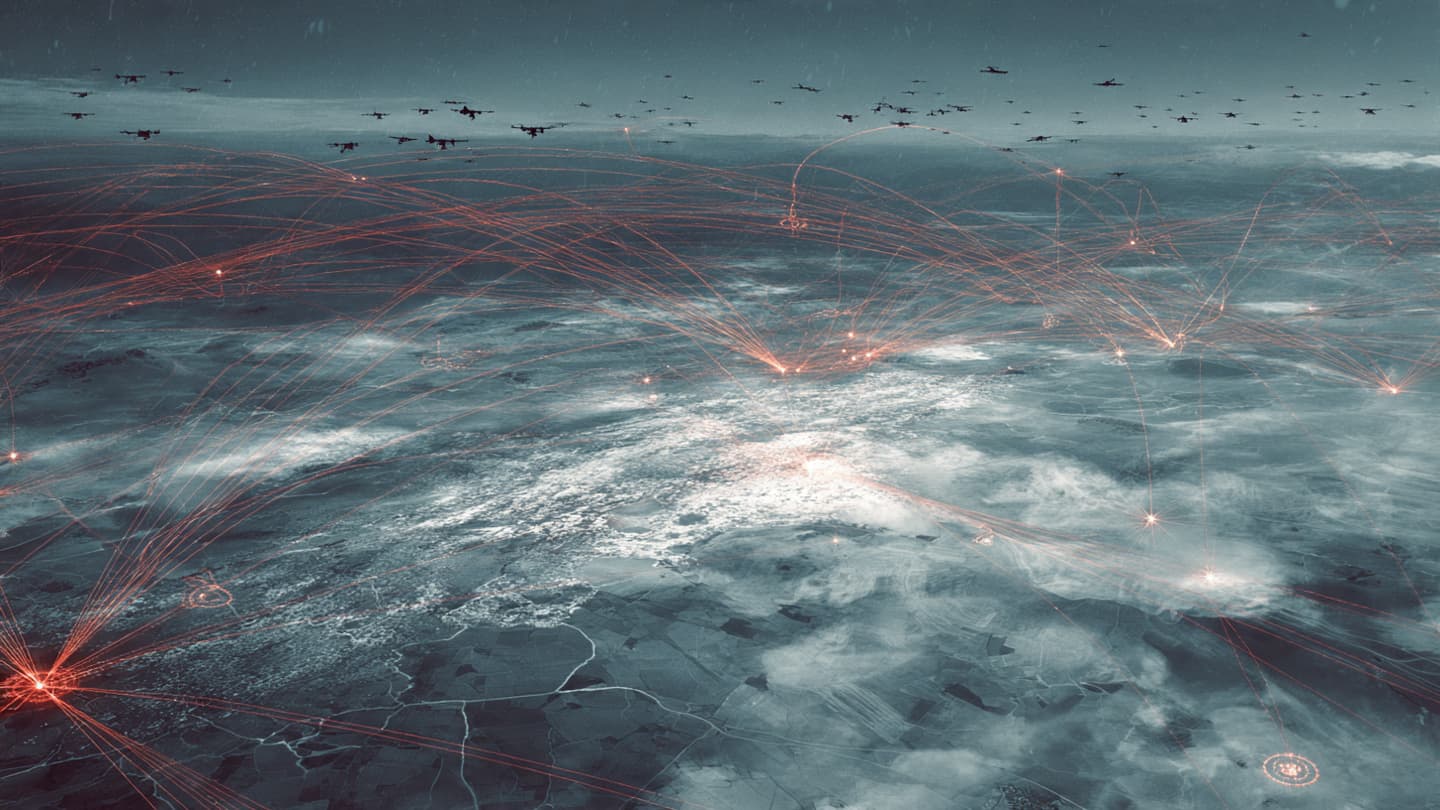
From Ukraine's perspective, these long-range operations signify a strategic evolution in the conflict, where the battlefield is no longer confined to static frontlines. Instead, it has become a dispersed landscape encompassing rail corridors, depots, and critical infrastructure nodes. Ukrainian officials frame these strikes as essential for maintaining pressure on Russian military capabilities and preventing them from regrouping or resupplying effectively.
Conversely, Russian authorities have consistently contested these reports, often emphasizing their defense readiness and the capabilities of their military to intercept such strikes. The challenge of independent verification in this context is compounded by access restrictions and the rapid pace of developments, which can outstrip the ability of journalists and analysts to provide timely and accurate reporting.
What emerges from this situation is a complex informational landscape characterized by competing narratives. In modern warfare, shaped by advanced technologies such as drones and electronic surveillance, the concept of distance has transformed. It is no longer merely a matter of geographical separation but involves factors such as detection ranges and response times, which complicate the traditional understanding of military engagement.
The timing of these strikes also reflects a shift in the rhythm of the conflict, where engagements occur at irregular intervals, often catching civilian populations off guard. For those living in affected areas, the experience of conflict is not one of continuous warfare but rather a series of sudden disruptions that momentarily bring the broader conflict into their immediate reality.
International observers are closely monitoring these developments, as each reported strike contributes to a larger narrative of escalation management and strategic signaling. In protracted conflicts like this, individual incidents often carry implications that extend beyond their immediate impact, serving as indicators of military capability, strategic intent, and the endurance of both sides.
At a structural level, the war between Ukraine and Russia has become a test of adaptability. Both sides are continuously refining their tactics, integrating new technologies, and adjusting their operational reach in response to the evolving battlefield. This results in a conflict that is increasingly complex and multifaceted, unfolding across various domains simultaneously.
As reports of these strikes circulate, they join a long continuum of statements and battlefield accounts that contribute to the evolving narrative of the war. Each report adds a piece to a larger, still-unfinished picture—one shaped by both perception and communication, as much as by territorial control and military force.
In the quiet that follows such nights, the map may remain unchanged in outline, but its meaning is subtly altered. The lines of conflict persist, yet their significance shifts, bearing the weight of yet another exchange in a war that continues to redefine the boundaries between nations.
Published by Banx Network. This article is part of the Banx decentralized media programme, powered by the BXE token on the XRP Ledger.



