
Key Highlights
- 40% increase in rural tourism visits reported in 2026.
- Government initiative 'Village 2.0' supports rural development.
- Local culinary festivals boost international interest in Czech gastronomy.
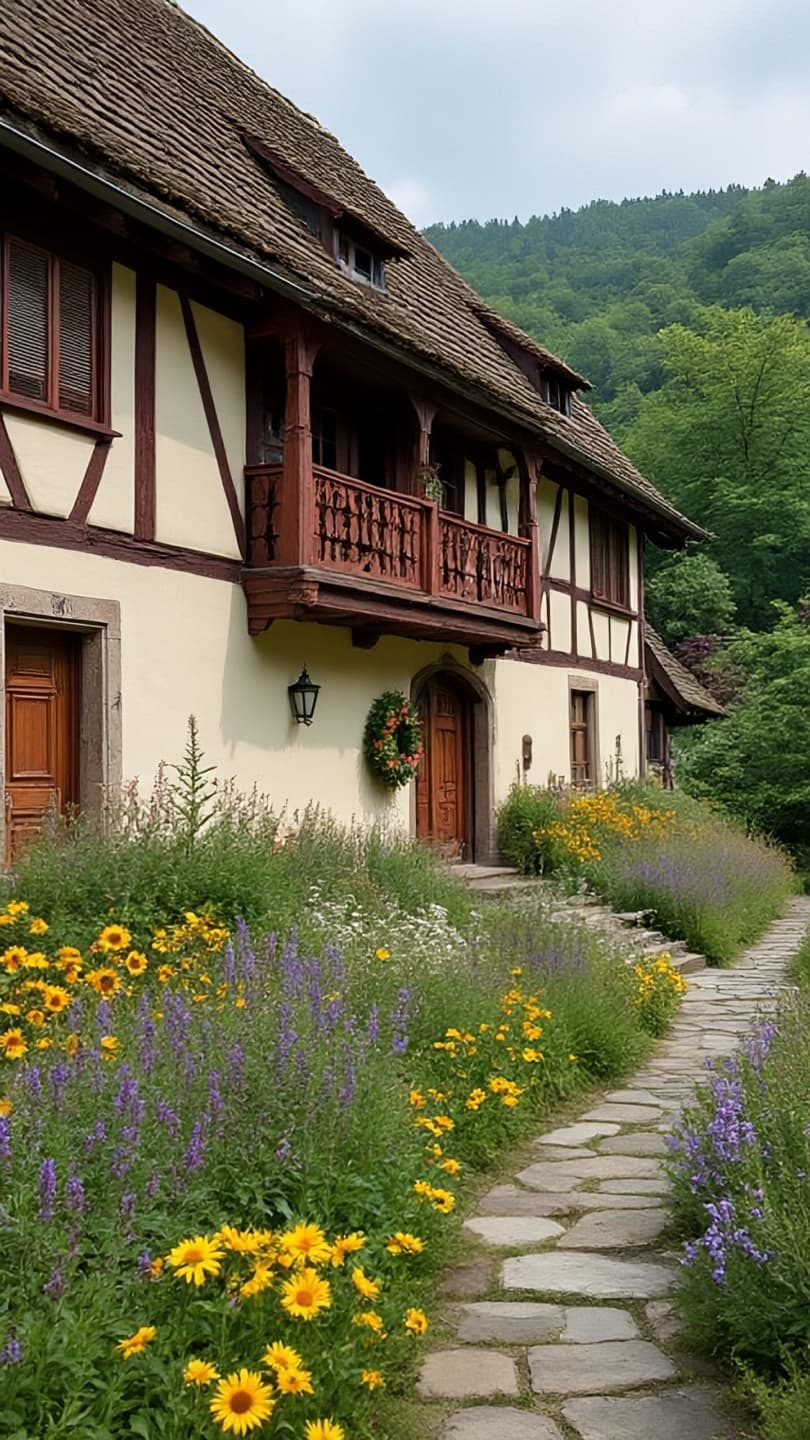
The Czech Republic is witnessing a transformative shift in its tourism landscape as slow tourism gains traction in 2026. Nestled in the picturesque valleys of South Moravia and the Jeseníky mountains, rural areas are experiencing a revival, driven by a growing desire among travelers for authentic experiences. As May unfolds, the countryside is adorned with vibrant wildflowers, inviting visitors to immerse themselves in the simplicity of village life rather than merely ticking off tourist attractions.
This month, agritourism accommodations are bustling with activity, as tourists engage in morning harvests and learn traditional crafts. The atmosphere is imbued with a sense of peace, contrasting sharply with the hustle and bustle of urban life. The scent of damp earth and woodsmoke fills the air, creating a comforting backdrop for meaningful interactions. This new approach to travel emphasizes connection over consumption, allowing visitors to savor the essence of rural living.
At the heart of this movement is the concept of the 'hospitality economy,' which champions local entrepreneurs and farmers. By prioritizing slow tourism, the wealth generated remains within these communities, fostering organic sustainable development. Renovating old barns into art spaces or community cafes not only preserves the physical heritage of the region but also revitalizes its social fabric. This initiative stands as a countermeasure to the global trend of homogenization, celebrating the unique character of each Czech village.
The importance of slowing down in our fast-paced world is underscored by the tourism strategy for 2026, which promotes walking and cycling routes that connect remote villages while safeguarding local ecosystems. This approach highlights the value of simplicity, offering travelers the chance to reflect and breathe without the distractions of modern technology. It serves as a reminder that the most enriching journeys are those that foster deep connections with the places we visit.
Discussions within the regional development council focus on balancing cultural landscape preservation with the vibrancy of village life. The aim is to ensure that these areas do not become mere relics of the past but continue to thrive as living communities. There is a growing pride among locals as the Czech countryside emerges as a sought-after destination for those who appreciate quality experiences over quantity. This shift from mass tourism to mindful exploration reflects a commitment to cultural and environmental sustainability.
The positive impact of this vision is evident in the renewed enthusiasm of farmers and the return of younger generations to rural areas, eager to establish creative enterprises. The countryside is evolving into a model for a more humane lifestyle, demonstrating that within the tranquility of these villages, we can find clarity amid the chaos of contemporary life.
According to data from CzechTourism, there has been a remarkable 40% increase in visits to rural accommodations and agritourism in 2026. The government program 'Village 2.0' has allocated funds for restoring traditional architecture and enhancing digital connectivity in remote areas, ensuring that these communities remain vibrant and accessible.
Moreover, regional culinary festivals that celebrate seasonal ingredients have attracted international tourists, bolstering the Czech Republic's reputation as a leader in the 'Farm-to-Table' movement in Central Europe. Local cooperatives are reporting stable income growth, which reduces reliance on external subsidies and strengthens the economic independence of rural regions.
This revitalization of rural tourism not only enhances the local economy but also fosters a deeper appreciation for the cultural and natural heritage of the Czech Republic, paving the way for a sustainable future.
Published by Banx Network. This article is part of the Banx decentralized media programme, powered by the BXE token on the XRP Ledger.



