In the earliest chapters of the universe, shortly after the Big Bang, the cosmos was thought to be a simple place, filled mostly with hydrogen and helium. Heavier elements, the building blocks of planets and life, were believed to take billions of years to form and spread. However, new observations from the James Webb Space Telescope (JWST) have challenged this timeline, revealing that ancient galaxies were already enriching the intergalactic medium with oxygen, carbon, and other metals much sooner than expected.
Astronomers using JWST have detected signs of heavy elements in galaxies that existed less than five hundred million years after the Big Bang. These findings suggest that the first generations of stars lived fast and died young, exploding as supernovae and scattering their enriched contents into space. This process, known as chemical enrichment, is essential for the formation of rocky planets and, eventually, life as we know it.
The telescope’s infrared capabilities allow it to peer through the dust and gas of the early universe, capturing light that has traveled for over thirteen billion years. By analyzing the spectra of this light, scientists can identify the unique signatures of elements like oxygen and silicon. The presence of these elements in such young galaxies indicates that star formation and stellar death were occurring at a rapid pace in the cosmic dawn.
This discovery reshapes our understanding of galaxy evolution. Previously, models suggested that it would take longer for galaxies to accumulate enough heavy elements to influence their surroundings. The JWST data implies that the early universe was more dynamic and chemically complex than previously thought, with galaxies acting as efficient factories for creating and distributing the ingredients of life.
The implications extend to the search for extraterrestrial life. If heavy elements were available earlier, then the conditions for forming terrestrial planets may have arisen sooner in cosmic history. This raises the possibility that life could have emerged in other parts of the universe much earlier than on Earth, expanding the potential window for biological development.
Researchers are now focusing on studying more of these early galaxies to determine how widespread this phenomenon was. Each new observation adds to the puzzle, helping scientists refine their models of cosmic evolution. The collaboration between international teams and the use of advanced computational tools are key to interpreting the vast amount of data collected by JWST.
The findings also highlight the importance of continued investment in space telescopes. Instruments like JWST provide unprecedented views of the universe, allowing us to test theories that were once purely speculative. As technology advances, so too does our ability to answer fundamental questions about our origins and our place in the cosmos.
The revelation that early galaxies were already seeding the universe with heavy elements marks a significant milestone in astronomy. It reminds us that the universe is a place of constant creation and transformation, where the seeds of life were sown long before our own solar system came into being.
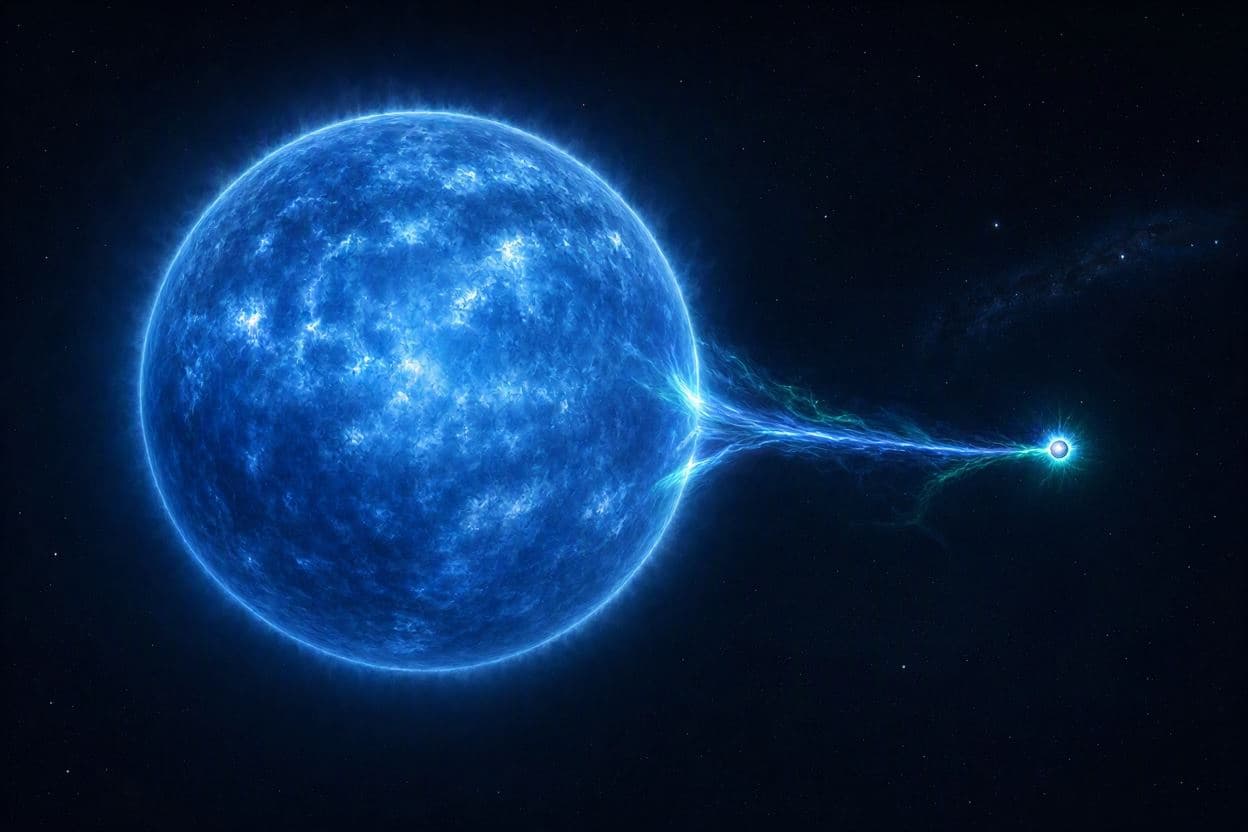
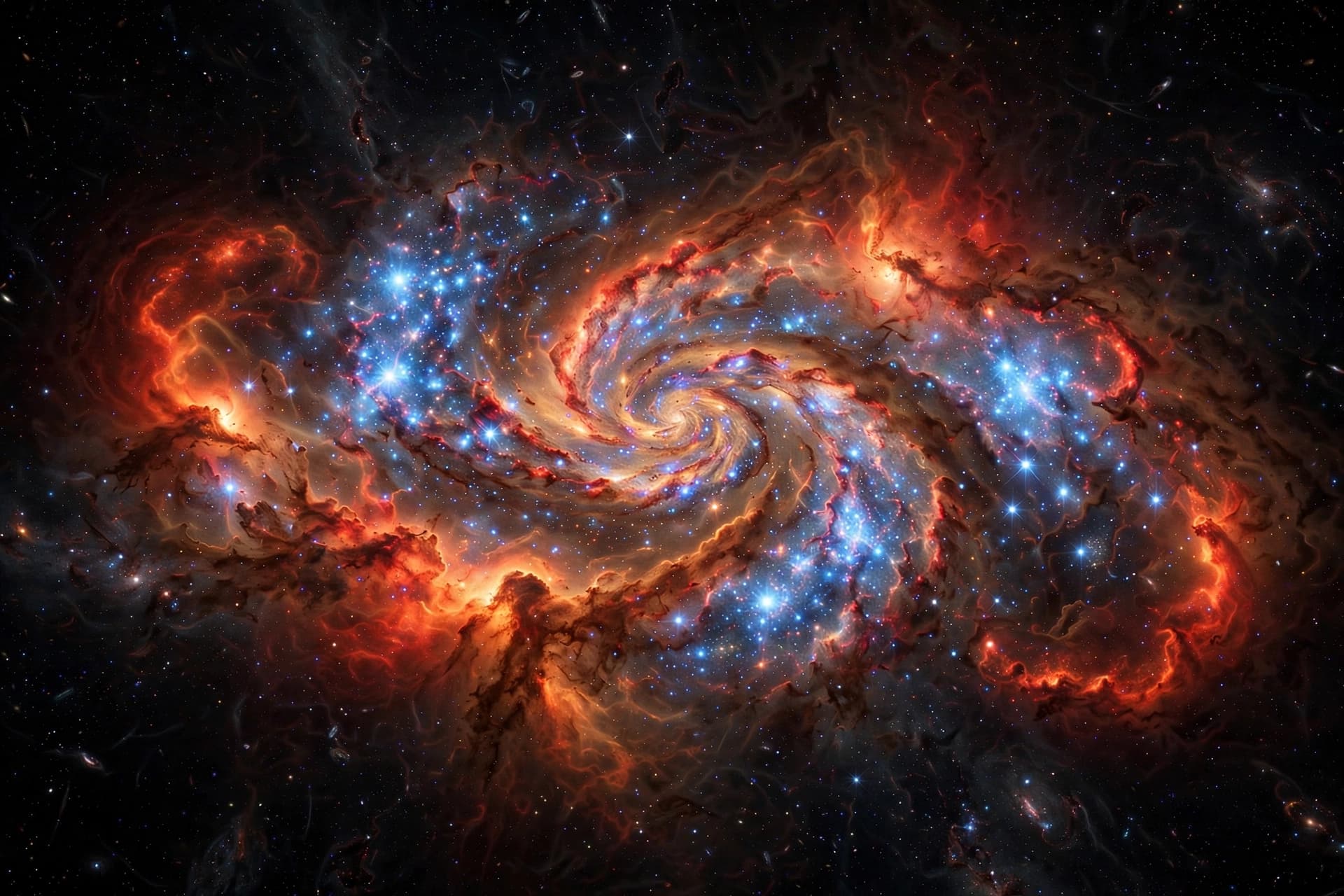
AI Image Disclaimer: Visuals accompanying this text are AI-generated conceptual illustrations of early galaxy formation and elemental distribution, not actual images from the James Webb Space Telescope.
Sources: NASA University of Arizona News Space.com Scientific American Tech Explorist
Published by Banx Network. This article is part of the Banx decentralized media programme, powered by the BXE token on the XRP Ledger.