Key Highlights
- Media shapes investor psychology in the cryptocurrency market.
- Fear and greed are amplified by media narratives.
- Influencers create emotional bonds that affect decision-making.
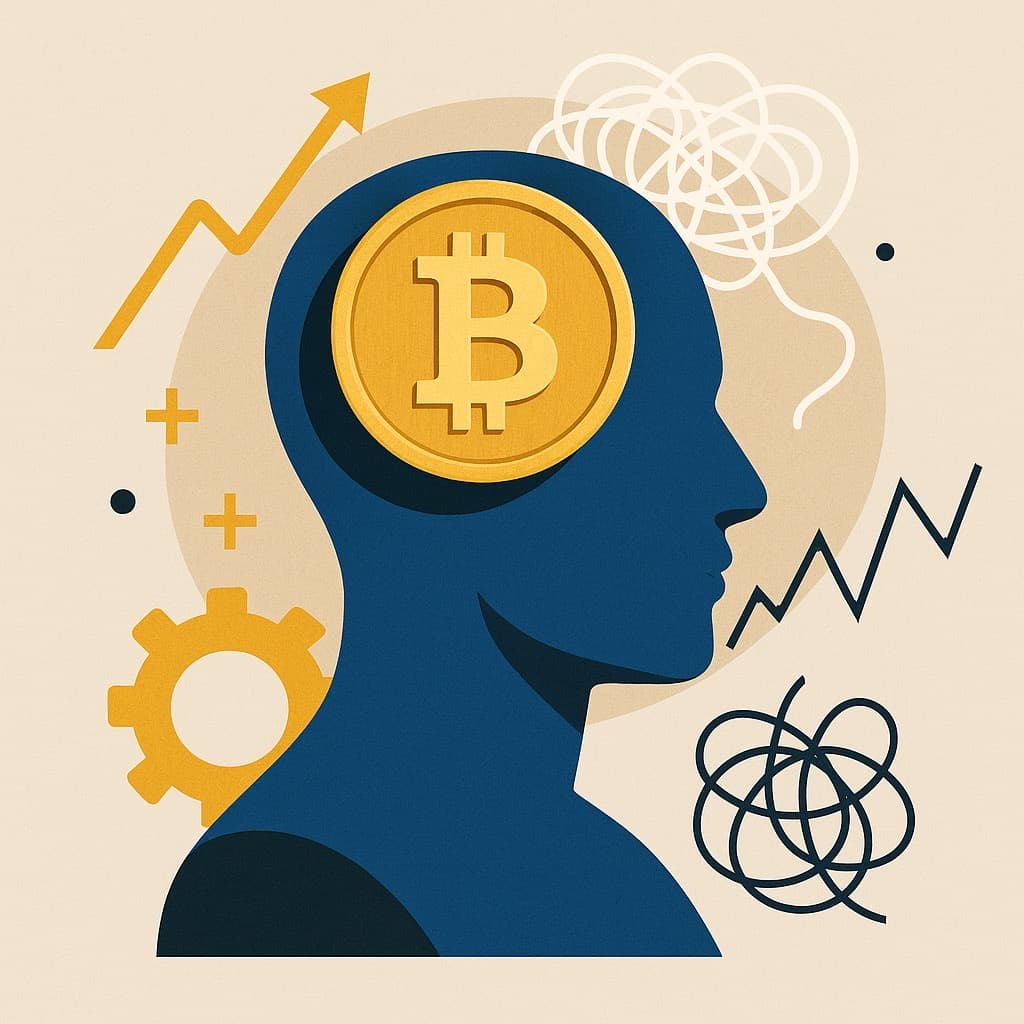
The cryptocurrency market is often described as a world driven by technology, blockchain innovation, and financial data. However, behind every price movement lies something even more powerful: human psychology. At the core of this psychology stands the media. News platforms, social networks, influencers, and viral content shape emotions faster than any chart ever could. In crypto, emotions move markets before logic does.
Media acts as the architect of fear and greed, the two dominant emotions controlling investor behavior in the crypto market. When prices fall, negative headlines create panic. Words like “crash,” “collapse,” and “market destruction” trigger fear in the subconscious mind. Investors rush to sell, not because of solid analysis, but because emotionally they feel threatened. Conversely, when prices rise, hype-driven headlines ignite greed. Stories of “overnight millionaires” and “100x opportunities” awaken the desire to get rich quickly. At this stage, logic becomes secondary and emotional buying takes over. This cycle of fear and greed keeps repeating, with media remaining the main emotional trigger of both.
FOMO, or the fear of missing out, is one of the strongest psychological forces in crypto. Social media constantly showcases massive profits, trending tokens, and success stories. Even if these stories represent a tiny minority, the human brain perceives them as common outcomes. When investors believe that everyone else is making money, they feel psychological pressure to enter the market. This pressure often leads to late entries at the highest prices. FOMO is not based on analysis; it is based on emotional comparison and social perception created by media.
During market crashes, fear spreads like a virus. Media accelerates this process by continuously sharing dramatic price drops, exchange failures, regulatory threats, and hacking stories. As fear increases, rational thinking collapses. Panic selling is rarely a calculated decision; it is a survival response triggered by uncertainty and emotional overwhelm. Many investors later regret selling at the bottom, but at the moment of panic, the psychological pressure created by media becomes unbearable.
The crypto market is one of the clearest examples of herd psychology in modern finance. When people see thousands of others buying the same coin, liking the same post, and commenting with excitement, their brain accepts this behavior as “safe.” This is called social proof. The more a token is talked about, the more trustworthy it appears. Media visibility often replaces fundamental value. As a result, meme coins, hype tokens, and short-term trends can reach massive valuations without strong foundations—purely driven by collective psychology.
Influencers play a unique psychological role in crypto. Their followers develop emotional trust, not just informational trust. When an influencer talks about a coin with confidence, followers feel emotionally secure by following the same decision. This emotional bond often removes critical thinking. Investors do not analyze risks properly because psychologically they feel protected by the influencer’s authority. This leads to overconfidence, poor risk management, and holding positions longer than necessary.
Media often presents the future with artificial certainty. Predictions are framed as guarantees, and trends are described as unstoppable. This creates a dangerous psychological illusion: the belief that risk no longer exists. When investors believe that an outcome is guaranteed, they abandon stop losses, increase leverage, and risk more capital than they can afford to lose. The illusion of certainty is one of the most destructive psychological effects of media in crypto markets.
Constant exposure to crypto news creates emotional fatigue. Many investors check prices and headlines dozens of times a day. Every small movement creates emotional reactions: excitement, fear, stress, hope, and disappointment. Over time, this emotional roller coaster leads to anxiety, poor decision-making, and psychological exhaustion. The mind becomes reactive instead of strategic, ultimately impacting investment outcomes negatively.
Published by Banx Network. This article is part of the Banx decentralized media programme, powered by the BXE token on the XRP Ledger.