
Key Highlights
- Panama's highways are crucial for connecting urban and rural areas.
- Crime rates on intercity buses and highways increase after dark.
- Travelers are advised to prioritize safety and choose reputable transport services.
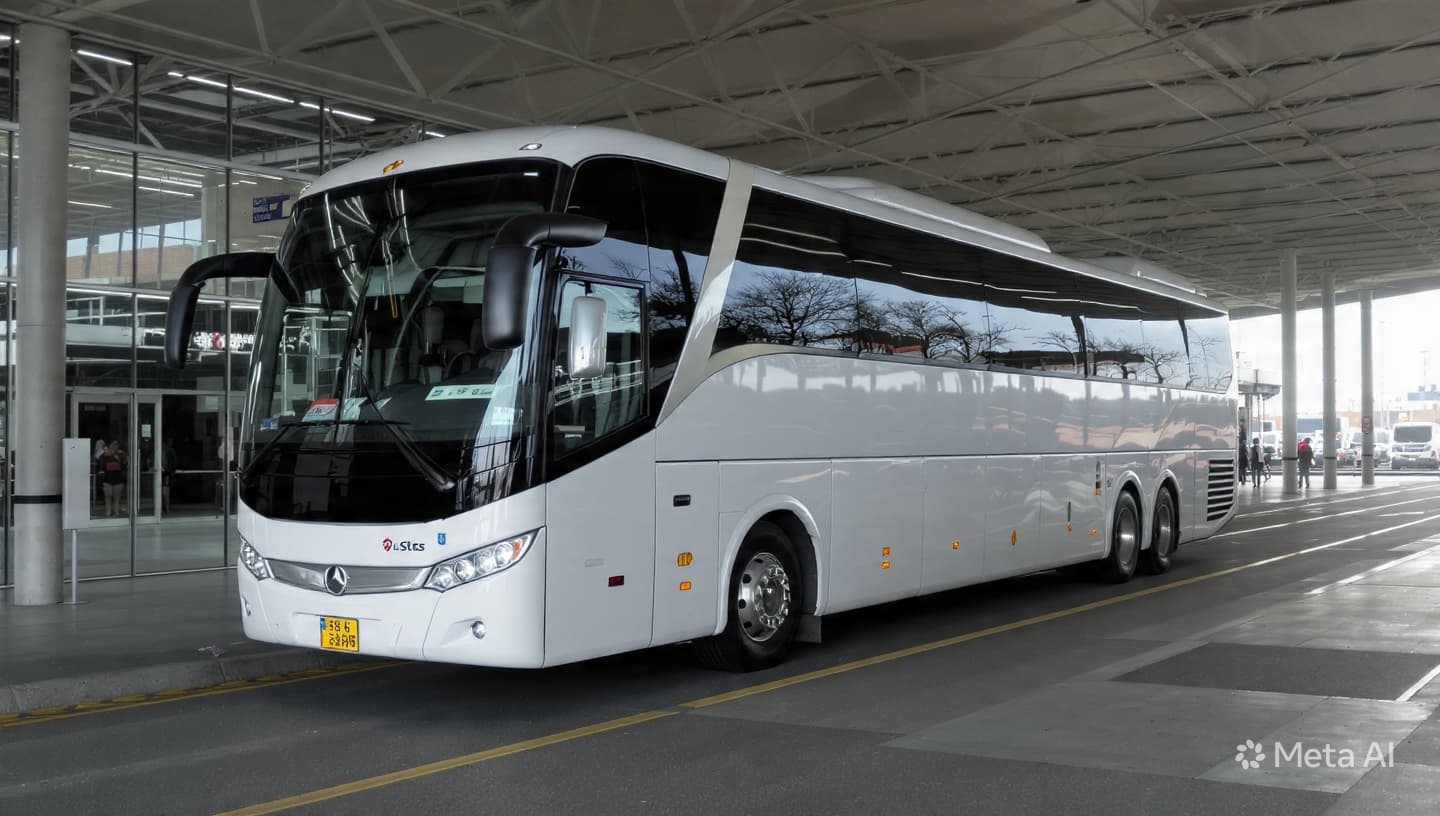
The highways of Panama serve as vital arteries, linking the bustling capital city of Panama City to the interior provinces and coastal towns. However, these routes are not without their vulnerabilities. Reports indicate a troubling rise in criminal activity targeting intercity buses and travelers along these corridors, creating an environment where vigilance is essential for safe transit.
The risks associated with traveling these highways become particularly pronounced as night falls. Darkness obscures visibility and provides cover for those who prey on unsuspecting travelers. Incidents of petty theft and more serious acts of intimidation are notably more frequent on buses and poorly lit sections of highway after sunset. While this reality does not deter all travel, it necessitates a cautious approach for those who wish to navigate these routes safely.
For many passengers, reliance on public transport is a necessity rather than a choice, making the security of the transit network a pressing social issue. When infrastructure fails to ensure a basic level of safety, it is often the most vulnerable members of society who suffer the most. This situation reflects a broader societal challenge in Panama, where the need for connectivity must be balanced against the risks posed by opportunistic criminal behavior.
Personal responsibility plays a crucial role in navigating these risks. International visitors are consistently advised to prioritize reputable transport operators, avoid night travel when possible, and maintain a heightened awareness of their surroundings and belongings. This proactive approach to personal security is essential for ensuring a safe journey.
Despite the precautions necessary for safe travel, the beauty of the journey remains intact. Understanding the risks involved allows travelers to maintain a sense of agency and control. The Pan-American Highway and its branches offer stunning vistas of the country, but they must be traversed with an acute awareness of the realities that exist along the road.
Looking ahead, the future of transit in Panama must focus on integrating safety into the very fabric of the transportation network. Until this goal is fully realized, individual travelers must remain their own best safeguard, navigating the highways with the knowledge that alertness is their most effective tool in pursuing a safe and successful journey.
Travel advisories from official sources indicate that crime levels on intercity buses and highways in Panama are particularly high during nighttime hours. Passengers are encouraged to exercise increased caution, secure their valuables, and avoid using public transportation after dark. The lack of consistent lighting and limited police presence on certain stretches of the Pan-American Highway necessitates careful planning and the selection of secure, reputable transport services.
Published by Banx Network. This article is part of the Banx decentralized media programme, powered by the BXE token on the XRP Ledger.



