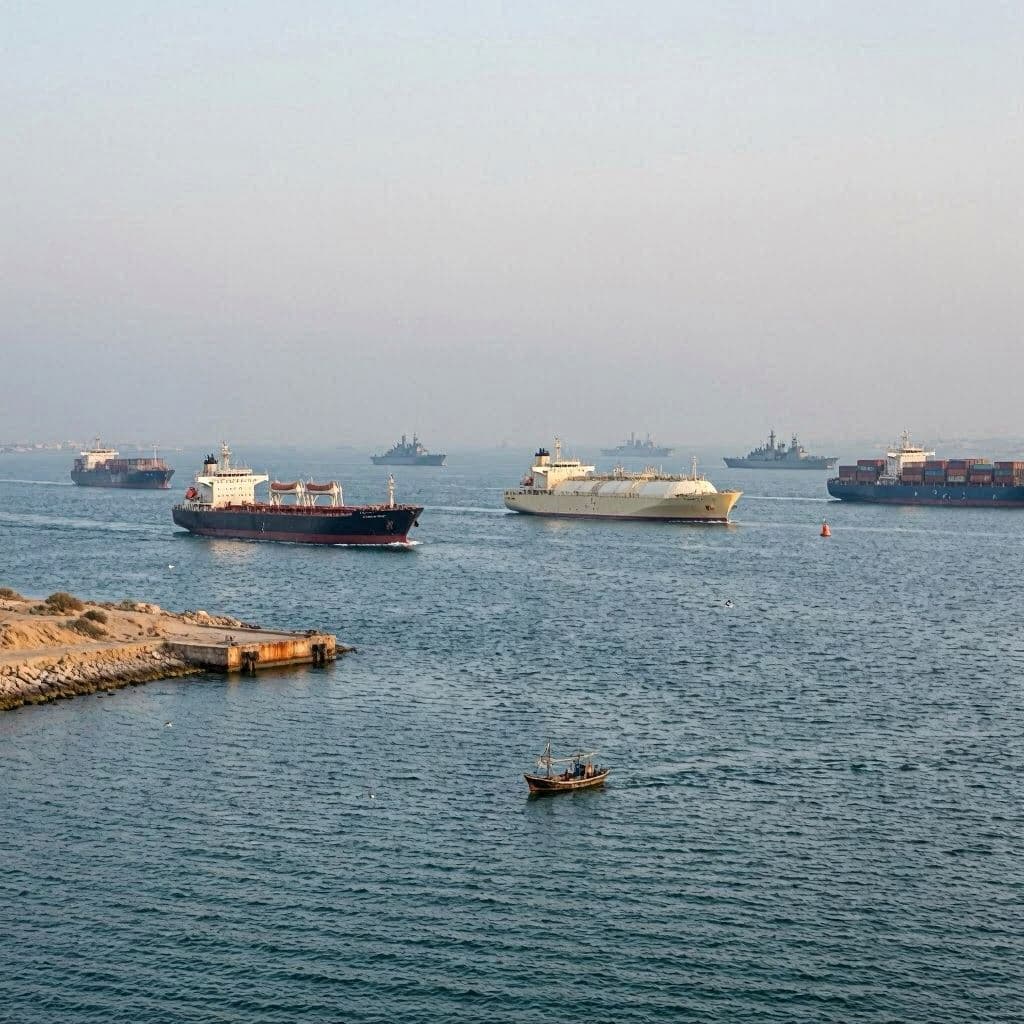
The Strait of Hormuz is more than a narrow waterway; it is the arterial pulse of the global energy market, through which a significant portion of the world’s oil flows daily. In recent days, this vital chokepoint has become the stage for a tense standoff between the United States and Iran, as both nations assert their influence through a series of military strikes and countermeasures. The situation is not merely a display of naval power but a complex dance of geopolitical strategy, where every maneuver carries the weight of potential escalation. It invites reflection on the fragility of international stability and the high stakes involved in controlling such critical maritime routes.
Body: The latest round of hostilities began with Iranian attempts to restrict passage through the strait, citing security concerns and regional tensions. In response, the United States launched targeted strikes against military infrastructure along the Iranian coast, aiming to degrade capabilities that threaten commercial shipping. These actions were framed by Washington as necessary to ensure freedom of navigation, a principle long upheld by the U.S. Navy in the Persian Gulf. For Tehran, however, these strikes are seen as violations of sovereignty and provocations that justify further defensive measures.
The economic implications of this conflict are immediate and far-reaching. Insurance premiums for vessels traversing the region have spiked, and some shipping companies have begun to reroute cargo around the Cape of Good Hope, adding weeks to delivery times. This disruption ripples through global supply chains, affecting fuel prices and manufacturing costs worldwide. The uncertainty creates a climate of anxiety for markets and consumers alike, highlighting how localized conflicts can have universal consequences.
Diplomatic efforts to de-escalate the situation have been ongoing, with mediators from Europe and the Middle East urging restraint. However, trust between the two adversaries remains low, making dialogue difficult. Each side accuses the other of bad faith, creating a cycle of action and reaction that is hard to break. The rhetoric from both capitals is firm, leaving little room for compromise in the short term. This stalemate underscores the challenges of modern diplomacy in an era of heightened nationalism.
For the local populations living along the shores of the strait, the tension is a daily reality. Fishermen face restrictions, and coastal communities live with the threat of stray fire or accidental engagement. Their lives are disrupted by the grand strategies of distant powers, reminding us that geopolitics is never abstract for those on the ground. Their resilience in the face of uncertainty is a testament to the human capacity to endure.
Military analysts warn that miscalculation remains the greatest risk. With so many assets in close proximity, a single error could trigger a broader conflict. Both sides have established communication channels to prevent accidental escalation, but the fog of war can obscure even the clearest intentions. Vigilance and discipline are required from all parties to maintain the fragile peace that still exists amidst the hostility.
The international community watches with concern, aware that a prolonged closure of the strait would be catastrophic for the global economy. Calls for a neutral monitoring force or international oversight have gained traction, though implementation faces political hurdles. The desire for stability is shared by most nations, but achieving it requires cooperation that is currently in short supply.
As the situation evolves, the focus remains on preventing further violence while keeping the waterways open. The hope is that dialogue will eventually replace confrontation, allowing trade to resume its normal flow. Until then, the world holds its breath, watching the strait with cautious eyes.
Closing: In the end, the struggle for control over the Strait of Hormuz is a reminder of the interconnectedness of our world. It highlights the need for diplomatic solutions to complex security challenges. As tensions persist, the hope is that reason will prevail, ensuring that this vital artery remains open for the benefit of all.
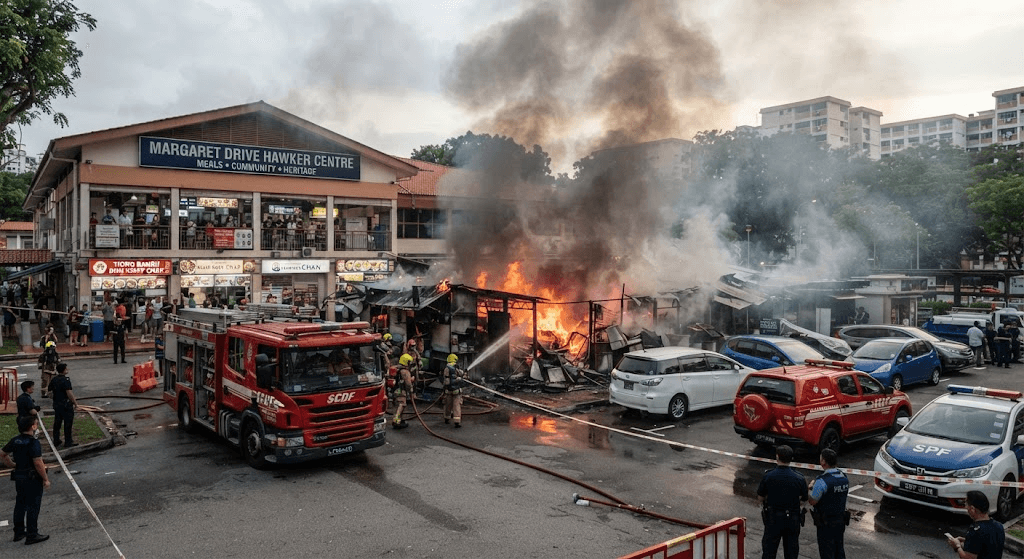
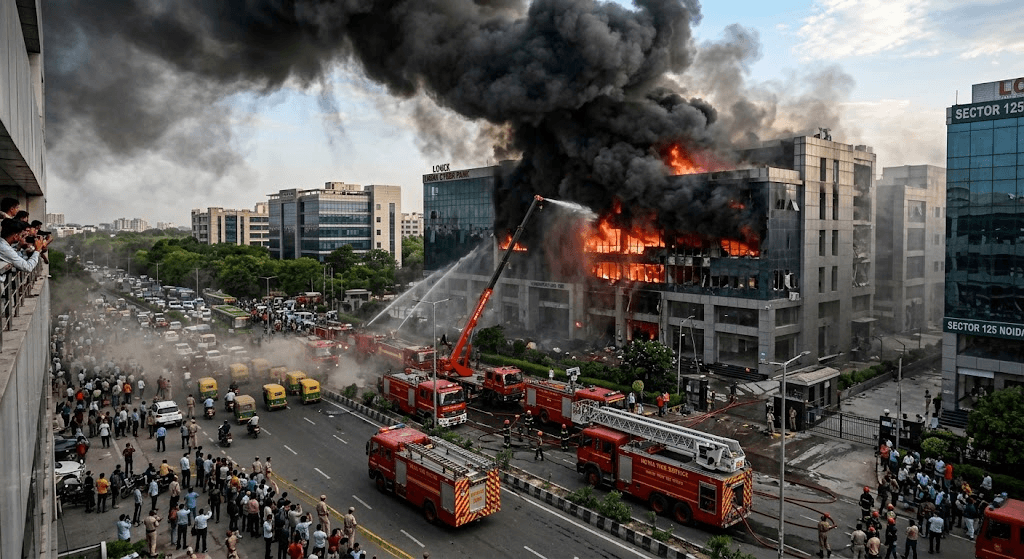
AI Image Disclaimer: Please note that any accompanying visuals for this narrative are artificially generated interpretations meant to evoke the spirit of the story, not documentary evidence.
Sources: Associated Press Al Jazeera Reuters
Published by Banx Network. This article is part of the Banx decentralized media programme, powered by the BXE token on the XRP Ledger.