There is a particular ache in watching a generation learn to stop hoping. For decades, the Australian home—with its backyard, its clothesline, its sense of permanence—was the quiet promise at the end of hard work. That promise has not vanished, but it has become conditional in ways that feel harder to name than a simple price tag. The conversation about housing affordability often turns on numbers, but what lies beneath is something more human: the slow recalibration of what a normal life can include.
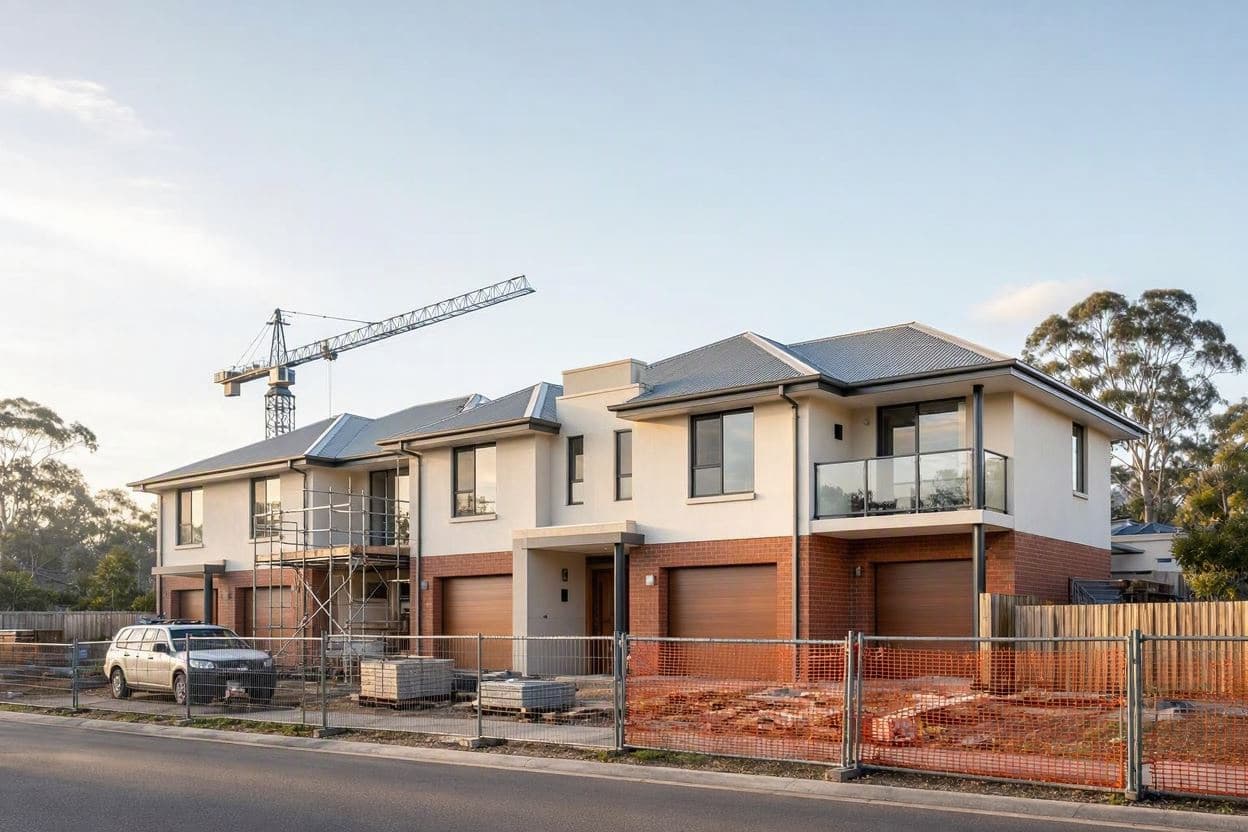
The national housing target of 1.2 million well-located homes over five years to June 2029 remains the centerpiece of the government’s response . It is an ambitious figure, the highest level of home building in Australia’s history, and it has galvanized state planning reforms that might otherwise have stalled . The New Homes Bonus offers up to $3 billion in incentive payments to states that exceed their delivery targets, tying reward to actual completions . The architecture of the policy is sound. The question is whether the foundation can hold.
Before the Middle East conflict disrupted global commodity markets, early 2026 indicators suggested improvement. Building approvals and commencements had trended upward since early 2024, and the National Housing Supply and Affordability Council estimated gross new supply at 980,000 dwellings over the Accord period—42,000 more than previously forecast . In those conditions, the target would have been reached by September 2030, slightly beyond the Accord’s end date but within reach . The trajectory was not perfect, but it was a trajectory.
The conflict changed the weather. Higher fuel and petrochemical prices flow through to transport and construction costs, pressuring product availability and the viability of small builders . Market expectations for interest rates have risen, and the Council now presents scenarios rather than forecasts, acknowledging that the length of the conflict remains unknown . A short-term price spike and a prolonged shock would produce different outcomes, and the uncertainty itself has a cost—feasibility studies delayed, financing withheld, projects paused while the world waits to see what happens next.
The structural challenges predate the conflict. For decades, Australia has underinvested in social housing, and the share of social housing in the overall stock has declined . First Nations communities face significantly poorer outcomes, with 42 percent owning their homes compared to 68 percent of non-Indigenous households, and nearly nine times the rate of homelessness . Homelessness organizations have called for expanded Housing First programs, arguing that the system has become too focused on responding to crisis rather than preventing it . These are not new observations, but they gain urgency when supply itself is under threat.
There are also quieter pressures at work. The family home remains exempt from the age pension asset test regardless of value, which can keep older Australians in homes larger than they need while younger families compete for a constrained stock . Stamp duty penalizes mobility, preventing downsizing and locking people into places they might otherwise leave . Negative gearing combined with the capital gains tax discount incentivizes speculative investment over long-term rental provision . Each of these settings shapes the market in ways that no single policy can easily undo.
Australia’s housing affordability challenge persists despite a national target of 1.2 million new homes and recent planning reforms. The Middle East conflict has introduced new uncertainty around construction costs and interest rates, while long-standing structural issues—social housing decline, tax settings, and First Nations housing gaps—remain unresolved.
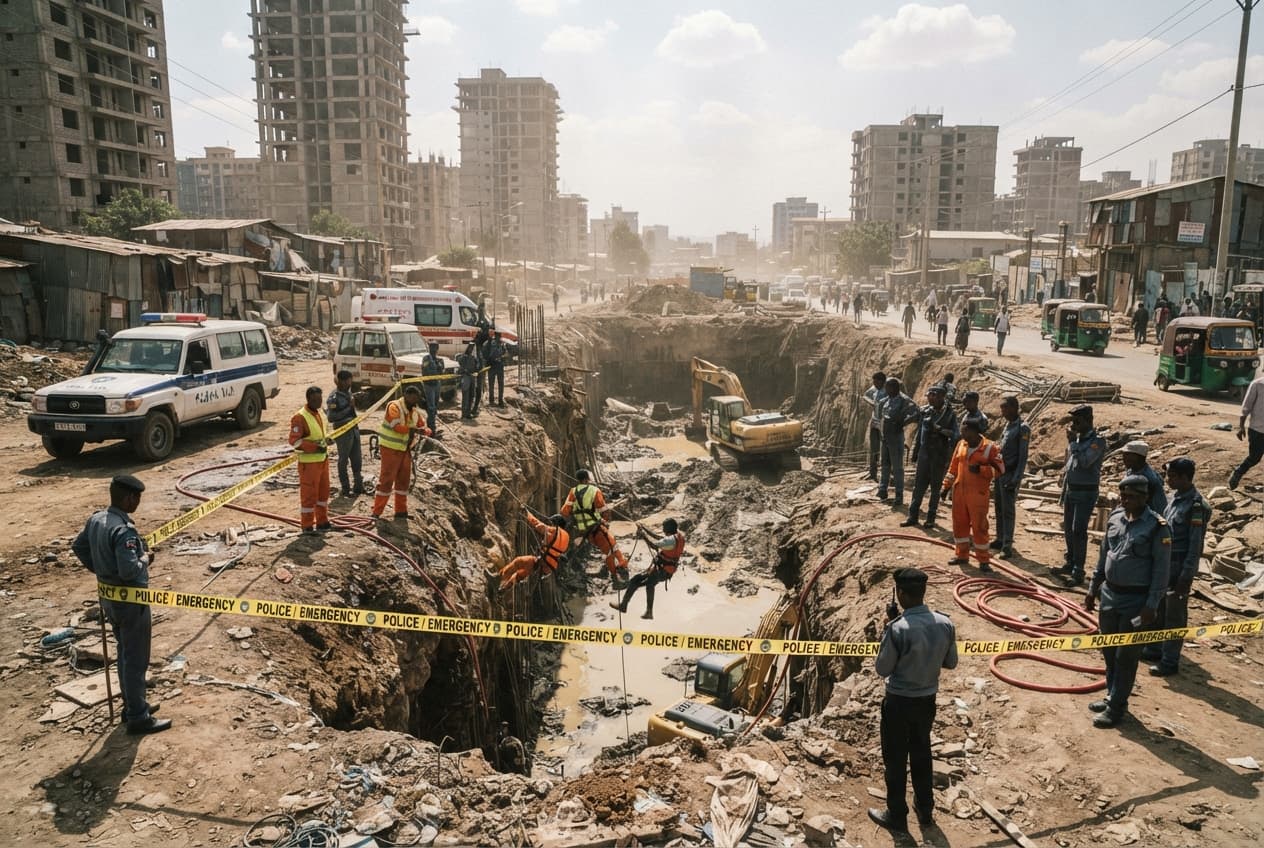
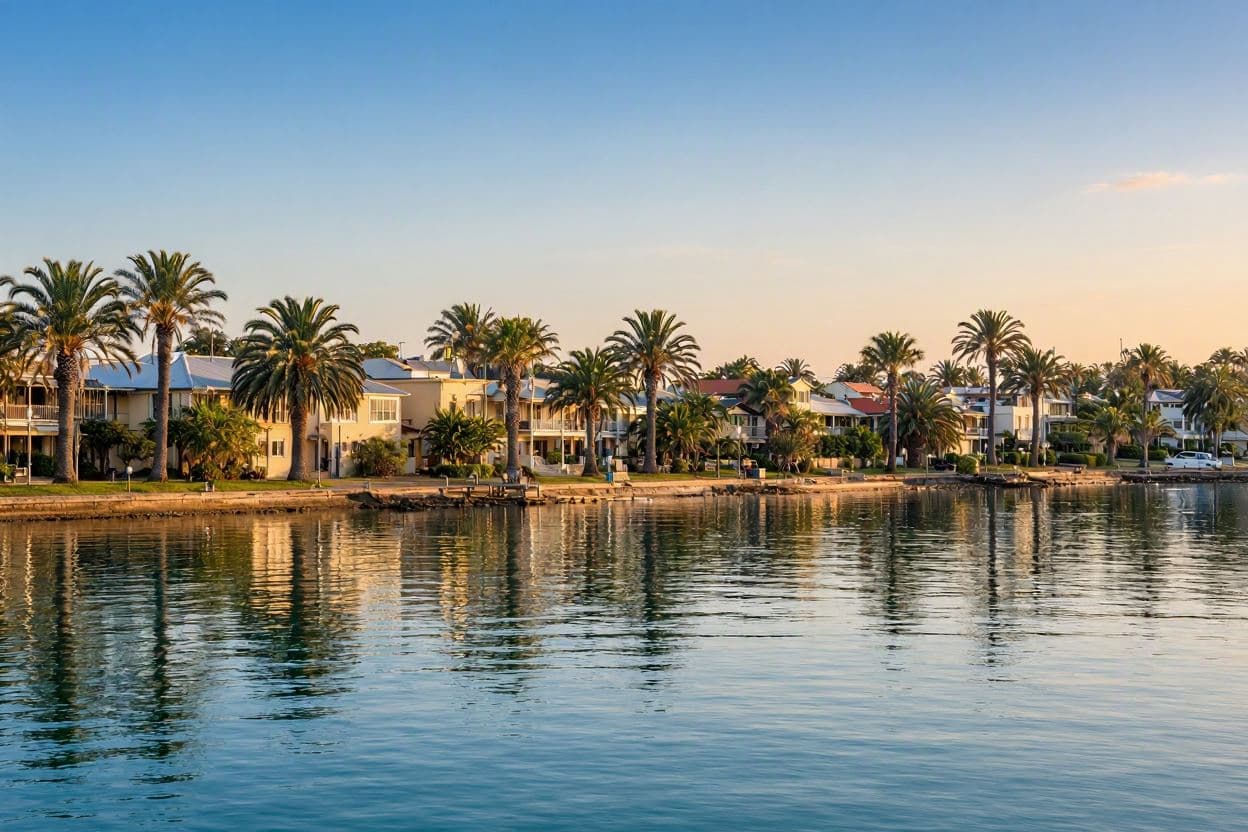
AI Image Disclaimer: Visuals in this article are produced by artificial intelligence and do not depict actual properties or individuals.
Sources: National Housing Supply and Affordability Council, Treasury, Australian Parliament House, Australian Bureau of Statistics
Published by Banx Network. This article is part of the Banx decentralized media programme, powered by the BXE token on the XRP Ledger.