In moments of economic uncertainty, even well-intentioned measures can raise quiet concern. On paper, numbers appear orderly and solutions seem close at hand. Yet between intention and application lies a space where complexity often settles — and it is within that space that accountants are now voicing unease over the proposal to apply a 6% VAT rate to construction.
Representatives of the accounting sector warn that the measure, designed to ease housing costs and stimulate building activity, may prove “impracticable” in real-world conditions. Their concern is not rooted in opposition to lower taxation, but in the difficulty of translating the rule into clear, verifiable practice.
According to professionals, construction projects involve multiple phases, contractors, subcontractors, materials, and services — each potentially subject to different VAT treatments. Determining which elements qualify for the reduced rate, and at what moment, could generate uncertainty, disputes, and inconsistent application across the sector.
Accountants caution that without precise legal definitions, companies may face increased administrative burden and heightened risk of later tax corrections. Small and medium-sized firms, in particular, could struggle to interpret the boundaries of eligibility, exposing them to penalties despite good-faith compliance.
The Ordem dos Contabilistas Certificados has emphasized the need for clear technical guidance before any implementation. Without it, the measure could create confusion rather than relief, slowing projects instead of accelerating them.
From the government’s perspective, the reduced VAT rate is intended to support housing supply and make construction more accessible. Officials argue that the proposal reflects social urgency and responds to rising costs faced by families and developers alike.
Still, professionals stress that effectiveness depends not only on political will, but on operational clarity. A tax incentive that cannot be applied consistently, they warn, risks losing credibility and undermining trust between taxpayers and the administration.
As discussions continue, the proposal remains under analysis. For now, the debate unfolds not in confrontation, but in careful calculation — a reminder that in fiscal policy, precision can matter as much as generosity.
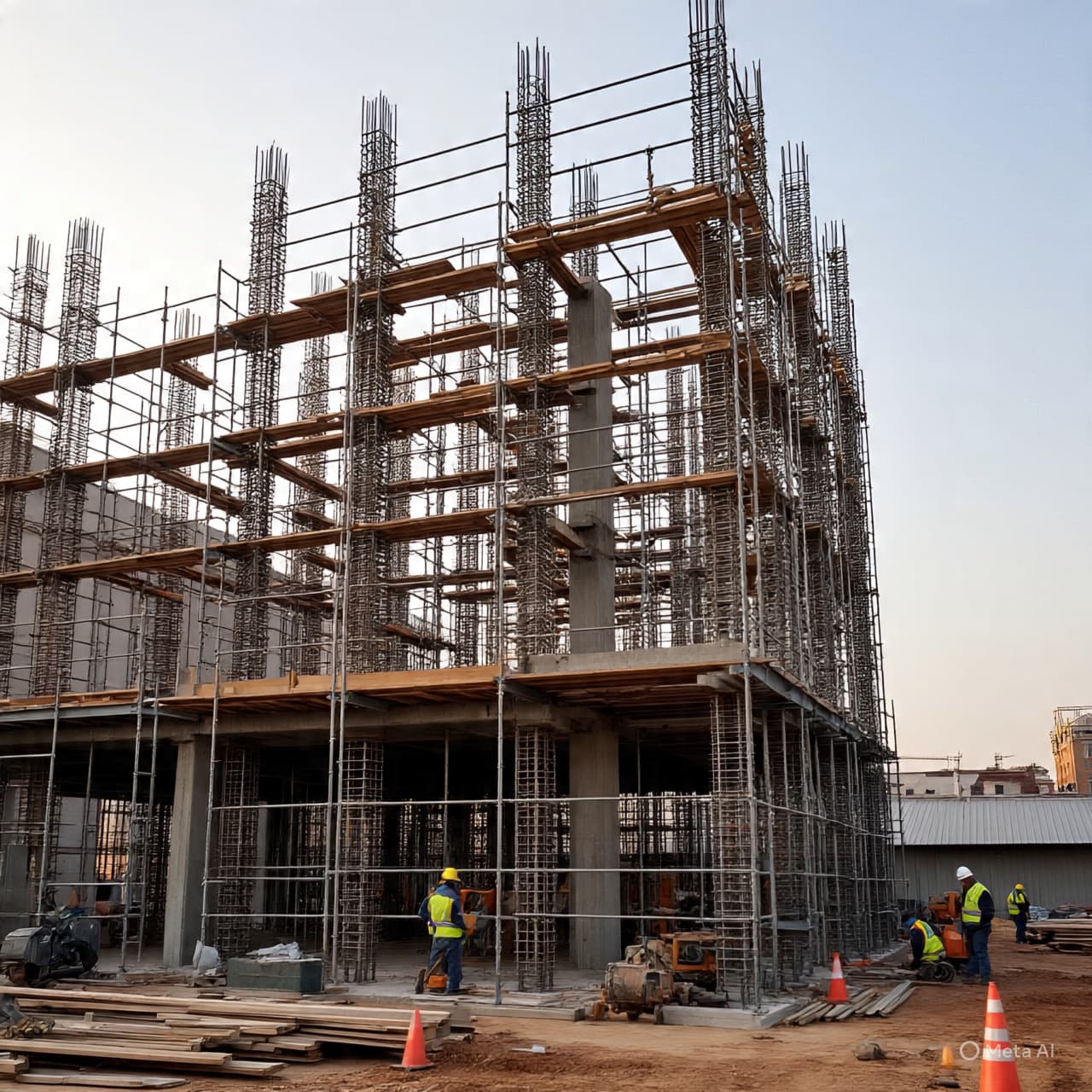
AI Image Disclaimer “Visuals are created with AI tools and are not real photographs.”
Sources Ordem dos Contabilistas Certificados Jornal de Negócios Público Diário de Notícias RTP Notícias
Published by Banx Network. This article is part of the Banx decentralized media programme, powered by the BXE token on the XRP Ledger.